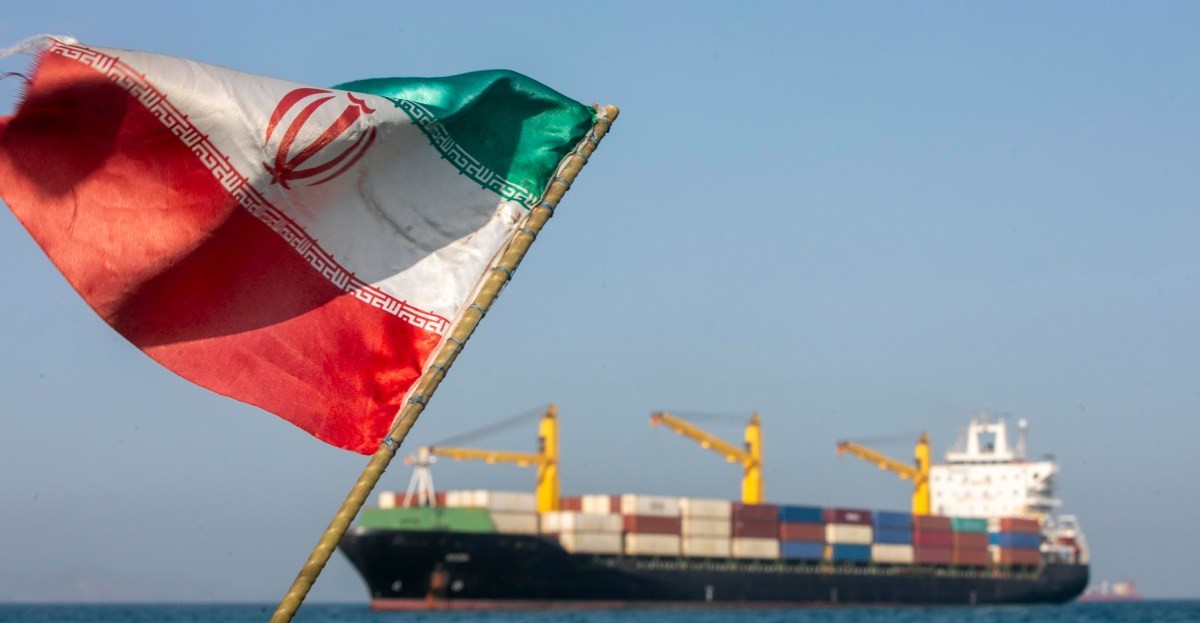
The water there is deep. The ships are bigger. And the stakes? Sky-high.
Iran thinks it has found a chokehold. The Strait of Hormuz has always been a geopolitical flashpoint, a narrow channel where a quarter of the world’s oil flows. But now the strategy looks different. More aggressive. Riskier.
Joshua Keating points out something obvious yet overlooked. You can’t just strangle global trade and walk away unscathed. The geography favors defense. The tech favors the other side. Iran’s forces are impressive. Drones and boats. Small, fast, numerous. But against a major naval power? It’s a tough sell.
Here’s the problem with the plan.
Retaliation is inevitable. Not just from the US. From allies too. From markets. Prices spike. Supply chains stutter. Everyone hates volatility. Everyone fights back.
So why try it?
Maybe they wanted leverage.
Maybe they underestimated the response.
There’s always that hope that deterrence holds. That the other side will blink. Blinking doesn’t work here.
You cannot threaten the lifeblood of the global economy without becoming its target.
It’s simple physics applied to statecraft. Push hard enough, something breaks. Usually the pusher.
Is it a miscalculation?
Probably.
Is it over?
We’ll see.