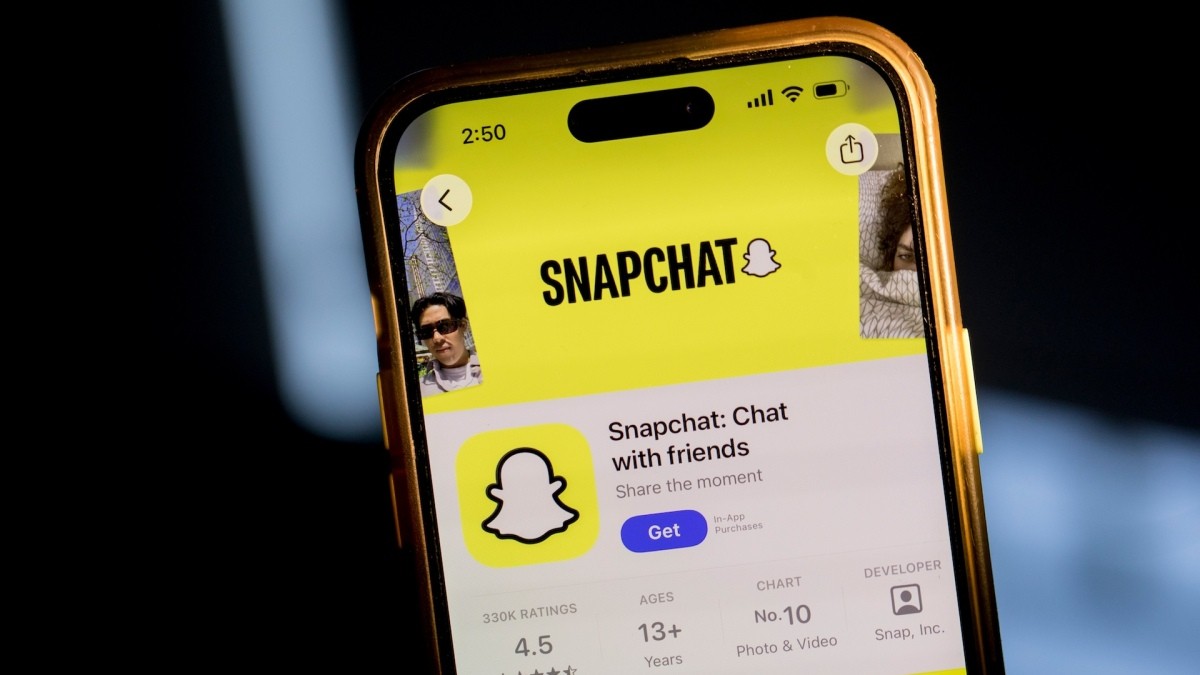
Sarah Gardner says you’re wrong if you think your kid is fine on Snapchat.
These findings directly go against that claim
That’s The Heat Initiative’s take on their new survey of 1,016 teens. A third saw unsafe stuff in just one week. Half hit trouble in a year. Unwanted DMs. Bullying. Nudity. It’s bad.
Top risks
– Unwanted contact
– Bullying
– Sexual messages
– Hate speech (1 in 6)
– Drugs or alcohol
– Violence/self-harm (less common but present)
Here’s the kicker. Forty percent of the unwanted messages? From adults. Gardner thinks Snap’s safety tools are a lie.
Snap disagrees. Of course. A spokesperson called it out, saying the report doesn’t capture their investments. They want you to believe they protect young users. They invested billions, basically.
The law gets involved
Snap settled a lawsuit in January. Teen claims the app was addictive and hurt their mental health. Cue the parental controls. New features, fast.
But Pew Research says something else. They found teens using Snapchat for friendship. No mental health drop-off there. Two polls, two very different vibes. Which one is right? Probably complicated.
Last year, Snap told Congress that 20 million American kids use their app. That’s a lot of minors to protect.
How kids react (they don’t)
44 percent saw nothing unsafe. Fine. But for those who did? Most just closed the app. Or ignored it.
Gardner finds this terrifying.
Right now, Snap is putting the onuse on the kids
Teens are getting used to it. They block more than they report. Thorn found this pattern before too. Minors prefer to disappear the problem rather than flag it to the company.
Dr. Mitch Pristine gets it. He studies tech and brains. He says parents need a reality check.
Kids don’t use social media like we do. It’s not just friends. It’s not a safe park.
The algorithm problem
Dr. Brian Levine isn’t surprised. He knows the drill. He worked on The Heat Initiative’s past stuff, though not this poll.
He hates how apps mix kids and adults via algorithm.
One in six teens said Snap showed them strangers. Strangers who looked like grown-ups. Snapchat claims accounts are private. True, mostly. But you have to manually turn off “Find Friends.” People don’t read settings menus.
Levine asks a simple question. Do we mix adults and kids like this anywhere else in society? No. Not in real life. Not on the subway.
He wants age verification that works. Encryption for adults only. No VPNs for kids. And he questions the core feature. The disappearing message.
If someone extorts a teen, the proof is gone. Poof. Gone.
Is that safe? Levine says no. Gardner agrees. Parents, watch your screen. And Snap, keep trying to prove me wrong.
The data sits there. Waiting for a change. Or just more updates.