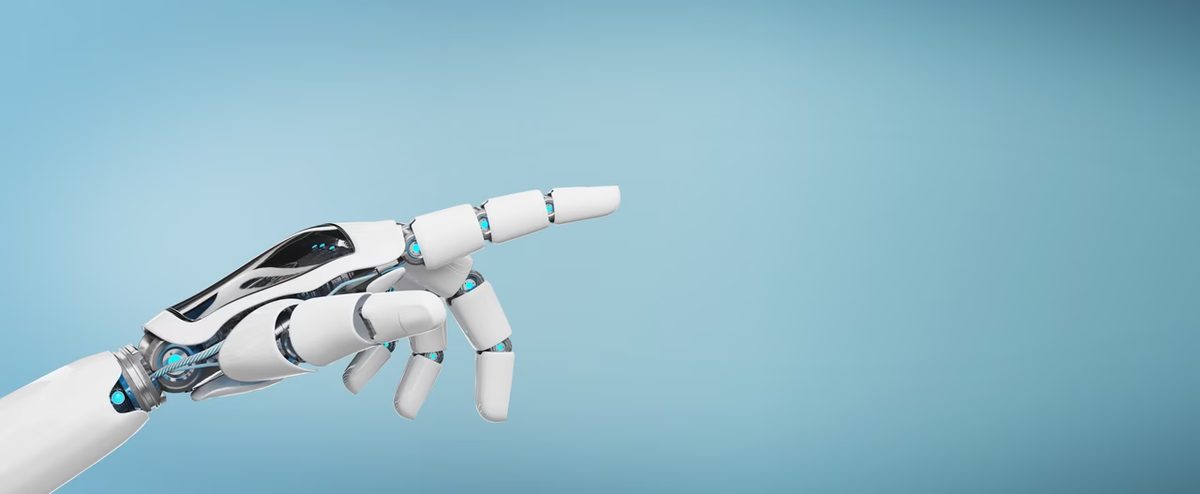
The word “robot” was not invented in France. It is not the same as the term robotique that a French linguist invented out of thin air. robot comes directly from the English word robot. The famous science fiction writer Isaac Asimov invented it. He popularized this concept in his 1942 book Runaround. Here he invented the three principles of robotics.
It’s a simple origin story. But what is the true scope of the industry? This is even more difficult to determine.
What exactly is robotics?
Basically, robotics is just a set of techniques used to build robots. Sounds circular? It is. But don’t be fooled by its simplicity. There are endless possibilities behind this definition.
Technical definitions are provided by ATILF, a branch of the National Center for Scientific Research (CNRS). A robot is a machine. It comes with a sensor. Actuator included. It has a logical system. Robotics is everything related to the creation of these machines, whether physical or virtual.
The term first appeared in the early 1940s. Asimov’s science fiction works Liar! Used *. But the practice? That’s much older. It started in the 18th century. At that time, the first automata appeared. These were created to meet the challenges of the industrial revolution.
Here is the shift. When you equip an automated machine with sensors, it becomes a robot. These sensors enable interaction with the environment. That ability creates autonomy. It creates what we call artificial intelligence.
A robot is a machine with sensors, actuators and logic systems.
Where do we actually use robots?
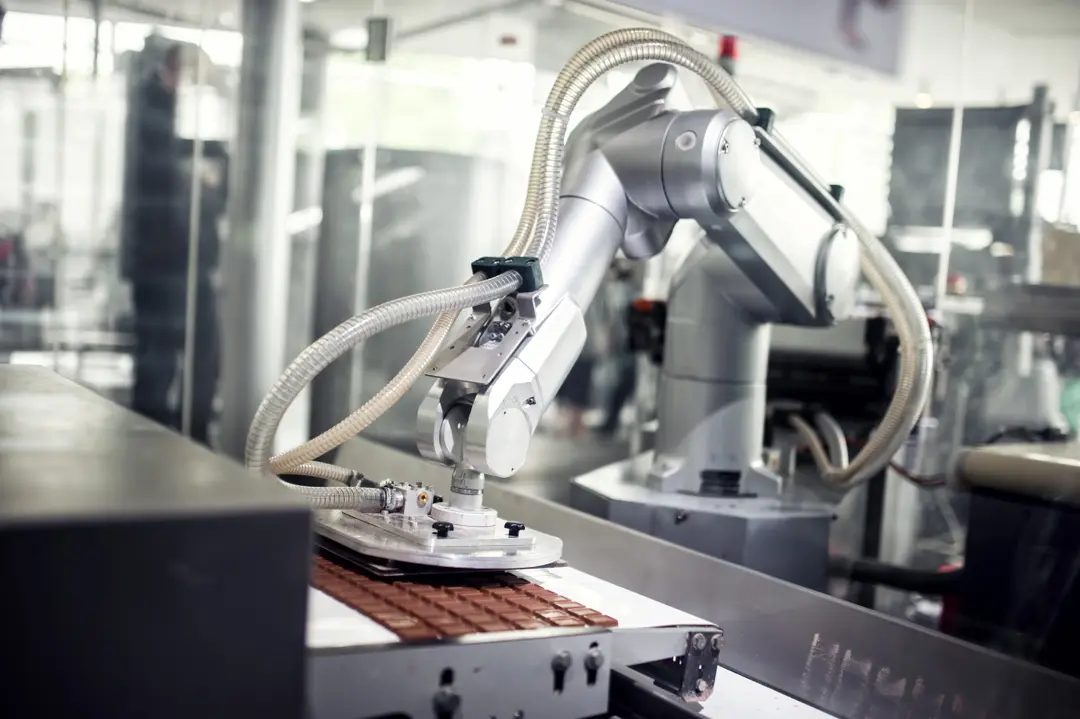
In industry, robotics produces automatons. These machines perform precise functions on assembly lines. They don’t just move parts. They execute exact tasks.
除了工厂之外,机器人技术还创造出可以在困难环境中移动的机器。 想想危险区域。 污染地区。 放射性场所。 他们在空中工作。 水下。 在太空中。
这个领域不仅仅是繁重的工作。 它涵盖了科学研究。 太空探索。 军事防御。 订单维护。 它在医疗保健领域也很重要。 外科医生使用机器人辅助。 护士从自动化系统中获得帮助。 假肢是另一个主要领域。
最近,市场已向日常消费者开放。 我们现在拥有用于做家务的自主设备。 机器人吸尘器。 割草机。 他们自己处理函数。 然后还有一些有趣的。 伴侣机器人。 玩具。 这些让用户参与有趣的活动。
The line between tool and entity is blurring. It started with clockwork dolls. It ended with machines that can “see” and react. Where does it stop next?
You can approach robotics through two distinct paths: traditional education or self-directed learning.
The academic route is structured. Some technical high schools, universities, and engineering schools offer degree programs. These courses often include apprenticeships. They open doors to jobs in France and abroad. If you are serious about a career, this is the standard track.
But what if it is just a hobby? Or a side passion?
The exploration routes are wide open. You do not need a diploma to start building.
Prerequisites for Self-Taught Roboticians
Even if you go the independent route, you cannot skip the basics.
Strong foundations in computer science, linear algebra, and programming are highly recommended. You need to understand the math that drives movement and logic.
Start by mastering programming languages. Python and C++ are common starting points. You do not need to learn everything at once. Focus on what helps your robot move or sense its environment.
There are countless specialized websites and tutorials. They cater to all skill levels. Some are for casual tinkerers. Others are for ambitious makers. Pick one that matches your ambition.
Buying Your First Robot Kit
Theory is useless without practice.
Begin by purchasing a robot kit. You can find them at electronics stores or online retailers. Start simple. A basic kit lets you assemble and code a small machine. It bridges the gap between manual and automated.
Follow the included courses. Many come with remote learning options. Use them to put theory into practice. Do not jump straight into complex models. Build confidence with simple tasks first.
Once you grasp the fundamentals, you can design your own prototypes. The learning curve steepens quickly. That is where the fun begins.
Where Is Robotics Used Today?
For over two centuries, robots were industrial tools. They performed repetitive tasks on assembly lines. A few exceptions existed in military or aerospace sectors. The general public rarely saw them.
That has changed.
Robotics is now omnipresent. You encounter robotic technology in domestic, professional, public, and private spheres. Here is where the tech actually lives:
Healthcare
Hospitals use robots for precise interventions. They assist in surgeries in hard-to-reach areas. Think tumor ablations. They also handle radiotherapy treatments. Some robots run diagnostics. Precision is the key selling point here. Human hands can shake. Robots do not.
Defense
Drones dominate modern conflict zones. They survey areas. They transport equipment. Some are armed. They reduce risk to human soldiers. This is a major driver of advanced autonomous systems.
Space Exploration
Robots go where humans cannot. They explore the moon. They traverse other planets. Mars rovers are the most famous examples. They conduct scientific experiments on alien soil.
Home Use
Look under your sofa. An automatic vacuum likely lives there. Robotic lawnmowers cut your grass. These devices operate autonomously. They save time. They handle mundane chores.
Art and Graphics
Robographs draw pictures. They use pens or lasers to create intricate designs. Artists use them for precision work that is difficult by hand.
Construction and Automotive
Robots assemble cars. They weld frames. They paint bodies. They work in hazardous environments. This sector remains the largest consumer of industrial robots.
Food Industry
Agri-food uses robots for sorting, packaging, and even harvesting. They speed up production lines. They reduce contamination risks.
Security
Video surveillance systems often include robotic cameras. They pan, tilt, and zoom automatically. They monitor large areas without human operators.
Transport
From delivery drones to autonomous trucks, robotics is reshaping logistics. They move people and goods. Efficiency is the main goal.
The Bottom Line
You can study robotics formally. Or you can buy a $100 kit and start tonight.
The tools are accessible. The knowledge is online. The applications are expanding every