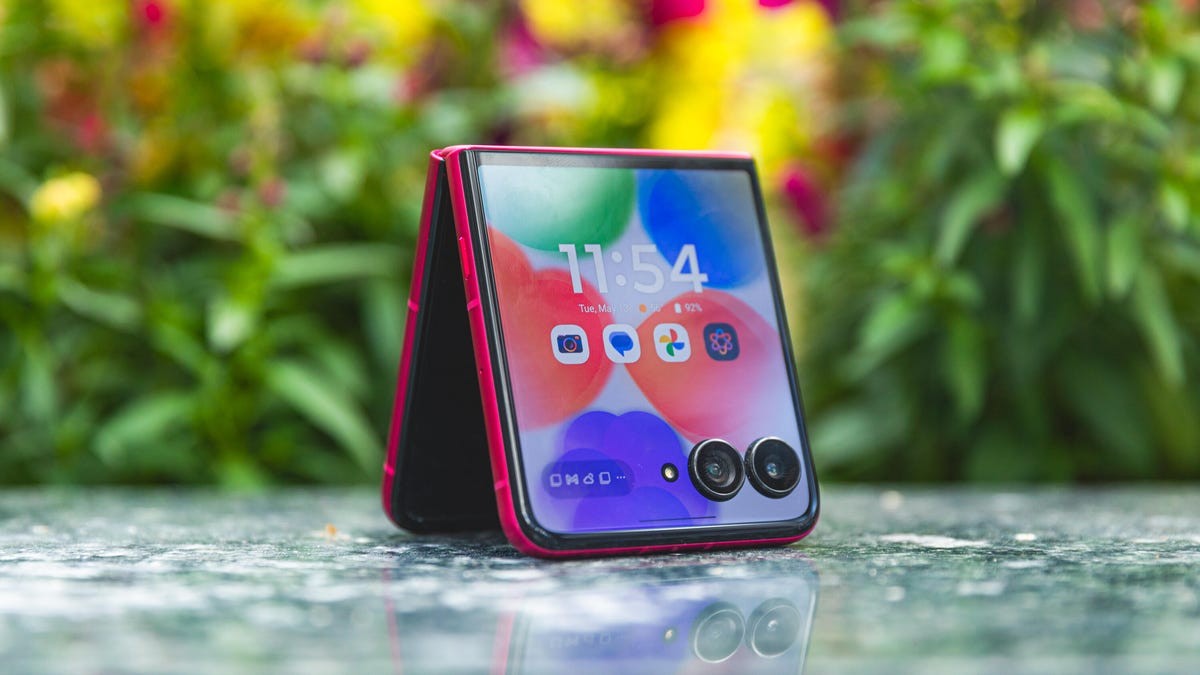
Foldable smartphone shipments in North America increased by 28% in 2025, according to Counterpoint Research, and are projected to continue growing at a rate exceeding 20% annually in 2026. This growth is driven by heightened competition among manufacturers and increased product availability, making foldable phones accessible to a wider audience beyond early adopters.
Increased Competition Drives Adoption
More aggressive pricing strategies, stronger carrier promotions, and improved retail visibility have broadened the appeal of foldable devices. While still a niche segment, these phones are gaining traction as consumers seek alternatives to traditional “slab” smartphones. The market now features a range of options, from the high-end Samsung Galaxy Z Fold 7 (starting at $2,000) and the ultra-premium Galaxy Z TriFold ($3,000), to more affordable models.
The expansion of this category is significant because it proves foldable technology is maturing beyond a novelty. This maturation is essential for mainstream acceptance, as price and durability concerns have previously limited broader adoption.
Motorola and Google Lead Growth
Motorola has emerged as a key player in the foldable market, capturing 44% of shipments with its Razr line. The Razr’s retro clamshell design appeals to consumers seeking nostalgia with modern tech. Its tiered pricing (from $700 to $1,300) further expands its reach.
Google also experienced substantial growth—a 52% increase year over year —fueled by the October launch of the Pixel 10 Pro Fold, solidifying its position in the book-style foldable segment.
Samsung Still Dominates, But Faces Pressure
Despite increased competition, Samsung remains the market leader in North America, holding 51% of foldable smartphone shipments in 2025. However, its market share has declined slightly as rivals gain ground. The company’s Z Flip line is facing growing competition from Motorola’s clamshell devices, and the upcoming launch of Motorola’s book-style Razr Fold poses a further challenge to Samsung’s dominance in that segment.
The Apple Factor
Many industry observers anticipate Apple’s entry into the foldable market. The company has been rumored to be developing a foldable iPhone for years, and its eventual launch could legitimize the category and attract a broader customer base, particularly among brand-loyal Apple users. Apple’s involvement would likely accelerate adoption by signaling that foldable technology is no longer experimental, but a mainstream option.
The continued growth of foldable smartphones demonstrates a shift in consumer preferences towards more innovative form factors. While price remains a barrier for some, the increasing competition and wider availability suggest these devices are becoming a viable alternative to traditional smartphones.