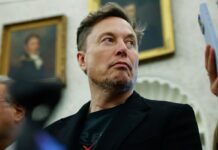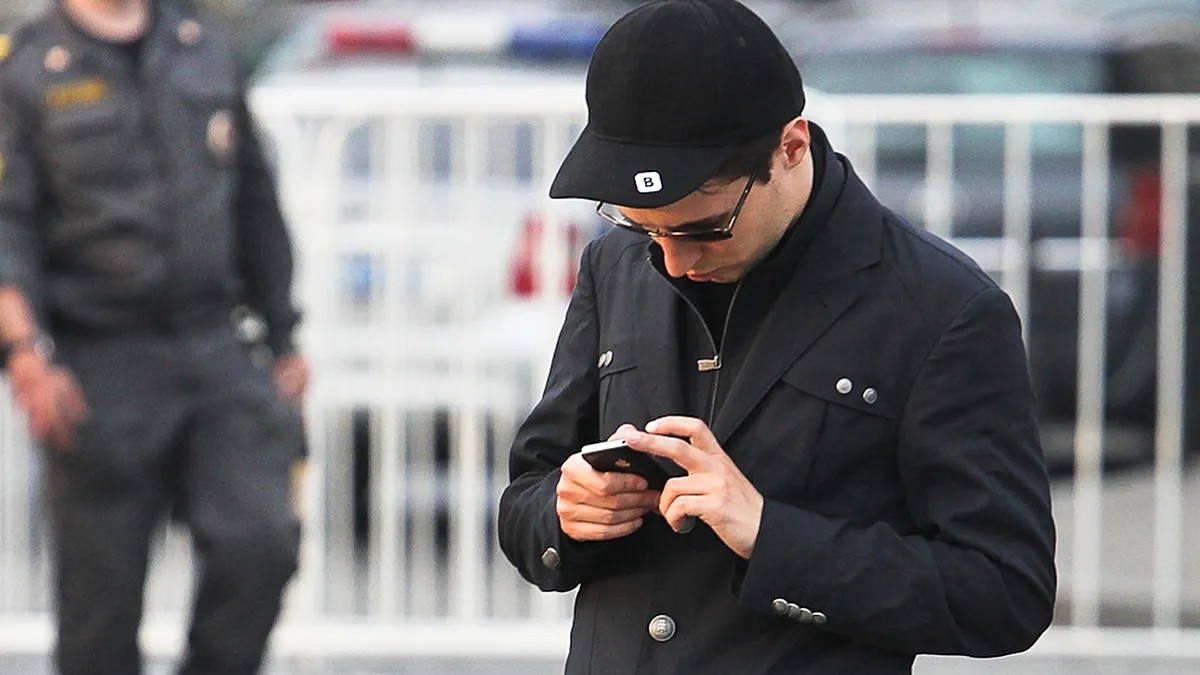
Pavel Durov is in deep trouble. The Kremlin didn’t just ask nicely. On Wednesday, Russia’s Federal Security Service (FSB) dropped an international wanted notice for the Telegram founder and CEO.
The charge? “Complicity in terrorism.”
This isn’t a minor clerical error. It’s a formal, cross-border legal hammer aimed at one of the world’s most controversial tech billionaires. Moscow accuses Durov, a Russian-born national holding French and UAE citizenship, of knowingly allowing channels on his platform to be used by Ukrainian intelligence and what it calls “extremist organisations.”
According to the FSB statement, these digital spaces aided in preparing terrorist attacks. They contributed to cybercriminal activities. The result? Numerous human casualties, including women and children.
“An international wanted notice has been issued… specifically for the head of the Telegram administration.” — FSB
It’s a stark escalation. And it highlights why understanding the Russia international arrest warrant for Durov matters. It’s not just about a single tech CEO. It’s about the battle for the internet’s soul.
How did Russia justify this move?
The logic is straightforward, even if the evidence remains opaque. Russian officials claim Durov failed to remove chats and bots used to coordinate attacks. Specifically, they’re pointing to a chatbot named “Dayvinchik/Leo.”
Russia’s Investigative Committee says this bot was used to recruit teenagers into alleged terrorism and sabotage. If true, that’s a severe allegation. It shifts the blame from the actors to the architect of the platform they used.
But here’s the kicker: Telegram is massive in Russia. Tens of millions of people use it daily. It’s a communications lifeline. For the state to view it as a hub for terrorism is a massive shift in narrative.
Why is this happening now?
Timing isn’t accidental. The Kremlin has long struggled with Telegram’s architecture. The app lacks default end-to-end encryption, which allows for some level of oversight. Yet, it still uses protocols that make monitoring difficult for governments.
Russia tried to ban Telegram entirely from 2018 to 2 years later, only to lift the block without explanation. They couldn’t shut it down. So now, they’re going after the man behind the curtain.
This fits a pattern. The Kremlin frequently targets political enemies with charges of supporting “terrorism” or “extremism.” It’s a blunt instrument for silencing dissent. Durov has clashed with them repeatedly. He refused to hand over user data when Moscow demanded it.
He knows the score. When the news broke, Durov called it politically motivated. He argued the authorities were manufacturing pretexts to restrict access to Telegram within Russia again.
The background: VKontakte to exile
Durov isn’t new to conflict with the Russian state. Born in St. Petersburg—Vladimir Putin’s home city—he actually founded VKontakte. It was essentially “Russia’s Facebook” long before Telegram existed.
But the mid-2010s were unforgiving. Pressure mounted. Durov was forced out. He fled, eventually founding Telegram. Now, 41 years old and living in France, he finds himself back in the crosshairs.
France hasn’t been easy on him either. Durov recently faced legal issues there over allegations related to the spread of illegal content. It’s a messy reality for a man trying to build a neutral ground for communication.
What does this mean for Telegram?
The international warrant complicates things. It signals that Russia intends to pursue Durov wherever he is. Does he have a safe haven in the UAE or France? Not necessarily. International law is messy, and extradition treaties vary.
But more immediately, it raises the stakes for users. If Durov is pressured further, will Telegram compromise its stance on privacy? Or will he dig in?
The platform remains difficult to monitor. Its decentralized nature offers some protection. But political pressure can erode even the strongest technical defenses.
There’s also the human cost to consider. The FSB claims real people were killed because of these channels. Is that provable? Or is it propaganda? We don’t have the court records to say for sure. We only have the warrant.
For millions of Telegram users, the message is clear: this platform is now officially considered a tool of terror by one of the world’s nuclear powers. How long can that distinction last before the pressure becomes too great to bear?
Durov says it’s about censorship. Moscow says it’s about security. The world watches to see which side cracks first.