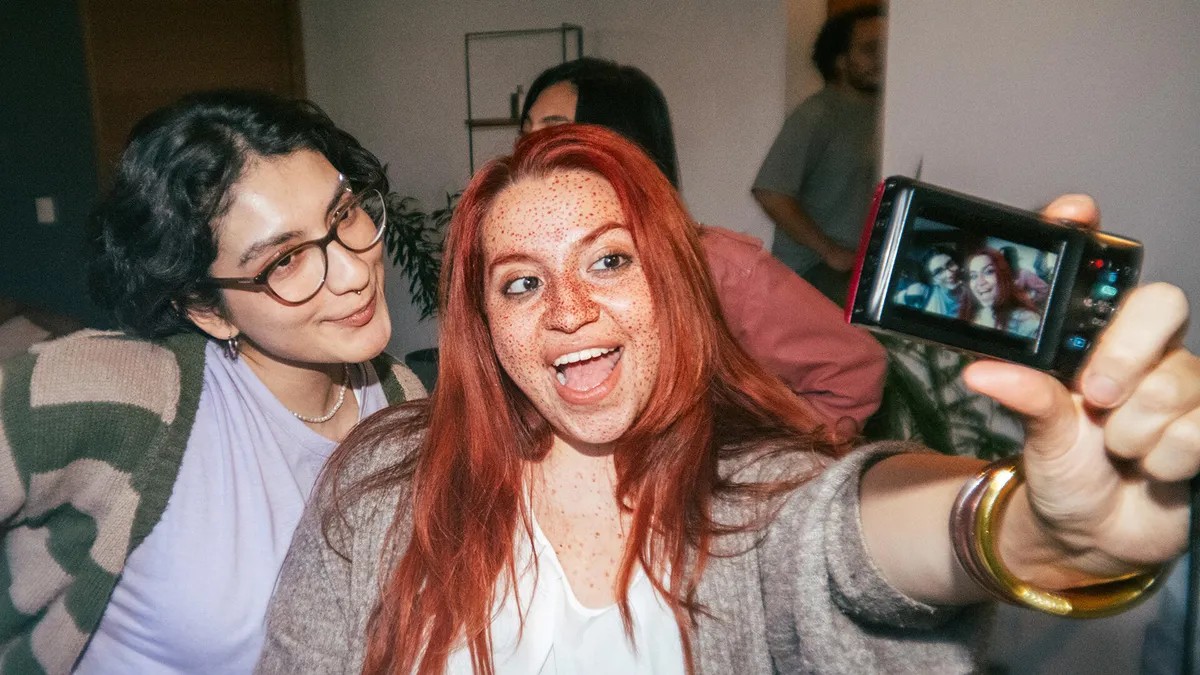
The compact digital camera, once relegated to the depths of junk drawers and forgotten attics, is experiencing a surprising renaissance. This resurgence is not driven by new, high-end releases, but by a renewed fascination with older point-and-shoot models from the early 2000s. While smartphone photography has achieved remarkable convenience and technical proficiency, a growing demographic—particularly teenagers and young adults—is actively seeking out these “obsolete” devices.
This trend represents more than just a cyclical fashion statement; it reflects a broader cultural shift away from the hyper-connectivity of modern smartphones. By examining the five primary drivers behind this movement, we can understand why a device with lower resolution and slower processing is suddenly considered superior in many social contexts.
The Aesthetic of Nostalgia
The phrase “what’s old is new again” has rarely been more accurate. Each generation develops a fascination with the technology of its predecessors. Much like the revival of vinyl records, cassette tapes, and film photography, the digicam offers a tangible connection to a perceived simpler time.
For older demographics, carrying a pocket-sized camera from their youth evokes warm nostalgia and humor. For younger users, however, the appeal is less about personal memory and more about aesthetic curation. The distinct look of early digital sensors—characterized by grain, color shifts, and lower dynamic range—has become a sought-after visual style that modern smartphones often over-correct or smooth out.
Intentionality Over Convenience
Smartphone photography is effortless, which has paradoxically made it mundane. The ease of capturing thousands of images per day has diluted the significance of individual shots. In contrast, using a dedicated digital camera requires intention.
The process involves taking a separate device out of a bag, waiting for it to boot up, and composing the shot deliberately. This friction adds weight to the act of photography. The resulting image is not just a data point in a cloud album; it is a deliberate artifact. The effort required to take the photo enhances the value of the memory it captures.
Digital Detox and Social Presence
A significant driver of the digicam trend is the desire to disengage from the digital ecosystem. Modern smartphones are portals to constant notifications, emails, and social media pressures. When a user pulls out their phone to take a photo, they are often simultaneously exposed to distractions that break their focus on the present moment.
Dedicated cameras offer a solution: a device with a single function.
This is particularly relevant for Gen Z and Gen Alpha, who have grown up in an always-online environment. Many young people are actively seeking spaces free from digital surveillance and notification fatigue. Using a digicam allows them to document their lives without being tethered to the internet, fostering a sense of presence and privacy that smartphones cannot provide.
The Appeal of “Imperfect” Imagery
While modern smartphones produce technically superior images through advanced computational photography, this perfection can feel sterile. Phones use small sensors and complex algorithms to create images that are sharp, bright, and color-corrected, often resulting in a uniform “smartphone look.”
Older digital cameras offer a different visual language.
* Unique Color Profiles: Early sensors had distinct color rendering that modern algorithms try to eliminate.
* Authentic Grain: The noise in low-light photos from older cameras is often preferred over the smooth, artificial noise reduction of modern phones.
* Artistic Limitation: The limitations of older lenses and sensors force users to work with light and composition in ways that encourage creativity rather than relying on automatic enhancements.
As one observer noted, there is an objective “worse” quality to these images that subjectively feels “better” because it feels more human and less processed.
The Role of Social Media Trends
No cultural shift in the digital age occurs without the influence of platforms like TikTok. Social media algorithms have amplified the digicam trend, turning obscure camera models into viral sensations. Hashtags dedicated to “digicam aesthetics” and reviews of specific models (such as the Fujifilm X100 series or older Nikon Coolpix models) have created a community around this niche interest.
While some critics dismiss this as mere hype, the impact is undeniable. TikTok has educated a new generation on the value of physical media and dedicated photography tools, driving up demand and prices for used equipment.
Market Impact and Future Outlook
The sudden popularity of compact digital cameras has immediate consequences for the secondary market. Prices for popular models have skyrocketed, and availability has dropped sharply. This creates a barrier to entry for new enthusiasts, but it also signals a healthy interest in the craft of photography.
In the long term, this trend may benefit the broader photography industry. Increased interest in dedicated cameras could lead manufacturers to reintroduce or refresh compact models, catering to hobbyists who want portability without the compromises of smartphone cameras.
Conclusion: The digicam revival is not just about retro aesthetics; it is a rejection of the convenience economy. By choosing a slower, less connected, and technically “inferior” tool, users are reclaiming intentionality in their photography and presence in their daily lives. It is a reminder that the best camera is not always the most advanced one, but the one that encourages you to be more engaged with the moment.