


You are standing in the middle of a theme park. Funnel cake grease is already on your fingers. The air was filled with the noise of hundreds of travelers in every direction. When you turn the corner, you almost step into a giant fern. Then the sound hits. I heard the sound of drums near the forest. Exotic birds are chirping in the canopy.
You look up and expect to see a macaw. Instead, you’ll find the speakers embedded inside the fake leaves. The stone next to it is not just a stone. It plays the hum of the river.
Active. Totally immersive. Then came the reality check. The device is there. every day. in the rain. In hot summer. In the cold. How can I avoid a short circuit?
Two cultural changes made this possible. First, consumer electronics went portable. Smartphones, tablets and MP3 players have changed the way we listen to music. Another is that the “outdoors” becomes a way of life. Decks, terraces and sunrooms are now central to family life. Audio manufacturers are chasing money. They make speakers that can withstand the elements.
Weatherproof speaker basics
Underneath the camouflage and tough enclosure, the physical properties remain unchanged. The speaker’s job is simple. It requires an electrical signal. convert it into mechanical energy. Energy disturbed the air. I hear disturbances in my ears. I hear a voice.
If you’ve ever looked inside a speaker, you know the basics. Three core elements make it work.
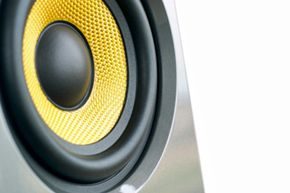
- Drivers : Converts electrical energy into vibration. The outer conical part is the diaphragm. Moves back and forth. Larger drivers can handle lower frequencies. These are called woofers. Because it is a small driver, it can handle very high sounds. They are tweeters. Intermediate drivers fall somewhere in between.
- Crossover : These are electronic filters. Share audio signal. They decide which drivers are responsible for which pitches. A “two-way” speaker has a woofer and a tweeter. “Three-way speakers” add midrange to the mix.
- Cabinet : This is the internal structure. Also known as the enclosure, it controls sound waves. Affects sound production and projection.
This is where most people get confused. These terms are often used interchangeably. Their meanings are different.
Weatherproof The speaker is built to withstand the elements. They are water-resistant. Not waterproof. If you get caught in a storm or near sprinklers, you’ll be fine. Humidity and steam won’t kill them. If you store it, it will last a long time.
Waterproof Speakers vary. They can be submerged. If you plan to use the sound in a pool or hot tub, you need a waterproof type. Weatherproof units are not for submersion.
Weatherproof speakers are preserved because special materials have been used in them. undergo rigorous tests. This test recreates nature’s worst possible scenario. UV exposure. snow. thermal cycling. Choose parts that can withstand abuse.
However, the basic operation remains the same. The cabinet protects the driver. The frequency divider controls the signal. The diaphragm moves the air. The result is music that never ends, even when the weather changes.
This is technology disguised as nature. it works. Until the next storm comes. Alternatively, the seal will wear out over the next 10 years.
Weatherproof speaker construction
Indoor and outdoor speakers may look the same at first glance, but the materials tell different stories. The standard interior cannot be used outdoors. The steel frame of typical speakers rusts quickly. The grating corrodes and dissolves when exposed to rain.
Weatherproof models solve this by changing the material. Manufacturers use stainless steel, aluminum or brass in their frames. We strictly avoid the use of metals prone to rust.
The driver’s membrane also changes. Cone paper is often used in indoor speakers. Paper absorbs moisture. It deteriorates rapidly. All weather speakers use Mylar membrane. Mylar repels moisture. It keeps its shape even in high humidity.
The case is durable for outdoor use. Polypropylene is the standard finish. It can withstand rough handling and harsh weather. Some cabinets have a tight Teflon finish. This creates a waterproof barrier.
Test durability outdoors
Assembly has just begun. Manufacturers perform a series of tests before shipping. They need to know if the speaker will survive the elements.
The test includes UV exposure. The salt spray test simulates a coastal environment. Extreme temperature cycles check through extreme temperature cycles. The company evaluates each component. The goal is to meet or exceed expectations.
Changes in temperature cause materials to expand and contract. This stress can cause parts to deform and seals to break. Dimensional stability is important. The tester measures components after exposure to heat or cold. They look for distortions. They check for gaps. The gasket is a ring that seals around the frame.
Accelerated lifetime testing focuses on simulating product aging. It reproduces extreme temperature changes over several years in a short period of time. This improves reliability. The acoustic stress test simulates the sound of your speakers after 10 years of use. They ensure the sound quality does not deteriorate over time.
Creative indoor and outdoor installations
People want music everywhere. Homeowners are getting creative with placement. Weatherproof speakers also work indoors. Install them in the bathroom ceiling. A laundry room is also an option. It is also used in home saunas.
However, most weatherproof speakers are installed outside. It’s on the porch. Poolside installations are common near the swimming pool. They sit near the terrace. They live next to the grill. The versatility allows them to blend into different environments.
Cabling and installation logistics
Traditional installations were based on wired connections. Cables run underground or through walls. The attachment points are below the roof line. Patio corners are very popular. The space under the deck is also very convenient.
Wired speakers typically have an omnidirectional design. Listeners don’t need a specific “sweet spot.” The sound spreads out. Perfect for parties and background music.
Wiring is not impossible, but it is difficult. Drilling holes in the exterior walls of your home feels invasive. The cables running through the floor and ceiling were messed up. Many people hire local custom installers. The job requires care.
Cables are pulled through walls, attics or crawl spaces. They can cross the garden. Special cables are needed for outdoor and underground wiring. Ordinary indoor electric cables cannot be used outdoors. Cables designed for outdoor use are designed to withstand harsh environments.
Most users use their existing home theater system to power these speakers. They add a zone to their receiver. This allows for independent volume and source control. It keeps the indoor and outdoor audio separate.
If you are building a new home, start planning early. Electronic Systems Contractors (ESCs) work with construction contractors. Design layouts and wiring plans. By planning ahead, you can save money and avoid problems later.
Optimize speaker placement
The sound quality is determined by the installation location. You need to calibrate your speakers for the best listening experience. Treat outdoor speakers the same as indoor speakers. Aim it at your preferred listening area.
Think of sound distribution like lighting. Where do you want your energy? What should you focus on? Trees and bushes can block the sound. The leaves affect the range and clarity. Consider the environment.
Installation height is important. If the speakers are close to the roof line, angle them down a bit. This allows the sound to spread to the ground. Prevents sound from flying into the air.
Try before you commit. Install the speakers temporarily. Connect the cable. Test the sound. Move them. Find the perfect place.
Consider pedestrian traffic. Where do people gather the most? Place speakers near these areas. Proximity increases volume and clarity.
Do not turn up the volume to maximum. Cranking the volume, the sound gets distorted. It also disturbs neighbors. Keep it at a reasonable level.
Once the installation is complete, enjoy! Invite your friends. Show off the system. The result is a functional and enjoyable outdoor soundscape.
The Rise of Wireless Weatherproof Speakers
Sound technology has developed. A new category has been born: wireless weatherproof speakers. These devices no longer require visible cables. They are designed to be discreet.
Enclosures blend into the garden. They hide in plain sight. Have you ever heard music in your garden but couldn’t find the source? Look for the fake frog. Or rocks.
These speakers mimic everyday objects. Looks like an animal. rock. Lanterns. Outdoor lighting equipment. plant pot. container.
Provide background music without visual clutter. This design allows for seamless integration into the landscape. Get sound without compromising on aesthetics.


