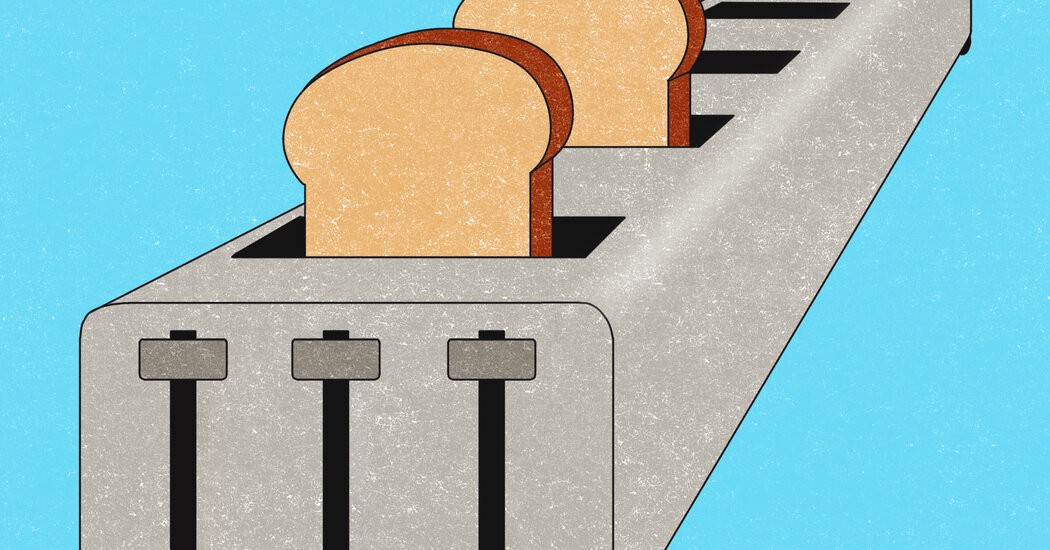
Silicon Valley is undergoing a quiet revolution: startups are openly celebrating their small size, even touting how little headcount they need to generate substantial revenue. Historically, a large workforce signaled ambition and financial power. Now, the trend is reversing; founders are boasting about doing more with fewer people.
The Rise of the “Tiny Team”
The shift isn’t just about cost-cutting. The core idea is that high-performing teams don’t need to be massive. New terminology, like Dan Shipper’s “two-slice team” (one human plus AI tools), underscores this trend. It’s a direct evolution of Jeff Bezos’ famous “two-pizza rule” (teams shouldn’t be bigger than what two pizzas can feed), but now even that is considered too large.
This approach hinges on leveraging artificial intelligence. Rather than hiring more people, startups are using AI to amplify the output of a smaller, “high agency” workforce. The result is a higher revenue-to-worker ratio, a metric some companies are now proudly displaying.
Why This Matters
The rise of tiny teams reflects several underlying forces:
- AI Acceleration: Generative AI has dramatically increased individual productivity. One person with the right tools can now handle tasks that previously required multiple specialists.
- Lean Startup Methodology: The focus on rapid iteration and minimal waste pushes companies to avoid unnecessary overhead, including large payrolls.
- Funding Realities: In a tighter funding environment, maintaining a small burn rate (costs) becomes critical.
This isn’t just about efficiency; it’s a fundamental change in how early-stage companies operate. Previously, scaling required headcount. Now, scaling is increasingly about scaling intelligence – both human and artificial.
The “tiny team” movement isn’t a temporary fix. It’s a sign that Silicon Valley is re-evaluating the link between size, cost, and output, and AI is the key to this transformation.
By embracing AI, startups are proving that big results don’t necessarily require big teams. This trend could redefine how future companies measure success and optimize their operations.