You know Google. It is the default. The place you go when you need an answer, a map, or to remember that password you definitely didn’t forget. It sits at the top of the pyramid, undisputed and everywhere. But the internet is not just one engine. It is a sprawling, chaotic metropolis with other towers just as tall.
Have you ever stopped to think about what else dominates the digital landscape?
It’s not just about searching. It’s about scrolling, clicking, and staying connected.
We assume we know the big names. We probably guess some of them. But there is a specific hierarchy to online traffic that most people never scrutinize. The site you visit after Google might surprise you. Or it might be exactly what you expect.
Let’s peel back the curtain on the other heavy hitters.

Baidu’s Global Standing and Core Services
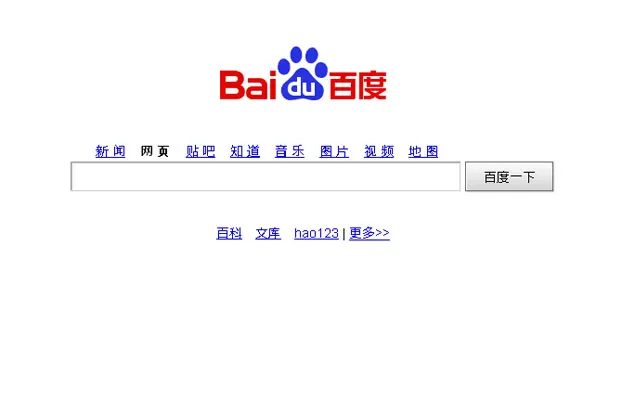
Baidu operates much like its American counterpart, Google. It is a Chinese web services giant that powers one of the most dominant search engines in the world. Beyond just searching, Baidu also hosts a collaborative encyclopedia platform. This mirrors the way Wikipedia functions, though it is tailored for the Chinese internet ecosystem.
In 2012, the company reached a notable milestone. It ranked fifth in the Alexa Internet rankings. This placement highlighted its massive user base and influence. Alexa used to be the standard for measuring web traffic before third-party ad blockers and privacy tools made those numbers less reliable. Back then, being fifth globally meant Baidu was a serious player on the international stage.
Today, the landscape has shifted. Mobile search and fragmented platforms have changed how we measure success. But the core products remain the same. Baidu still provides search. It still offers its encyclopedia service. And it continues to serve billions of queries every month.
The difference isn’t just in the tech. It’s in the context. Chinese users navigate a walled garden. Baidu is the gatekeeper. Google is blocked. So Baidu fills the void. It doesn’t just answer questions. It hosts articles. It connects users to local services.
Why does this matter for non-Chinese users? Mostly, it doesn’t. Unless you are doing business in China, Baidu is background noise. But for anyone tracking the state of global internet monopolies, it is a key data point. Alexa rankings are gone. But the hierarchy of web services remains. Baidu sits at the top in China. The rest of the world uses a different set of tools.
The fifth-place ranking was a snapshot in time. It showed scale. It didn’t show the full picture. The full picture is messy. It involves censorship. It involves proprietary algorithms. It involves a market that is closed off from the rest of the web.
Still, the infrastructure is real. The servers are real. The user base is real. You can ignore it if you want. But the data flows through them regardless.
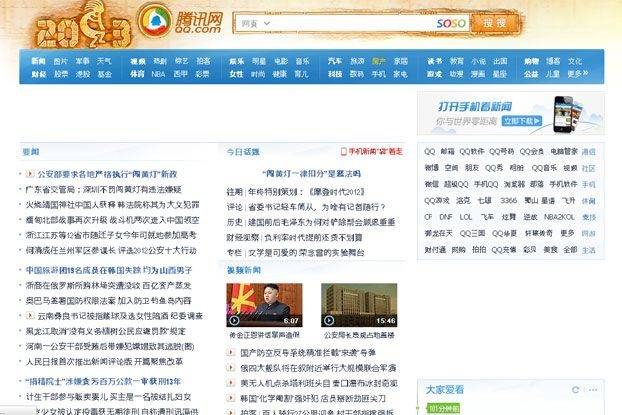
If you are scrolling through global traffic rankings, QQ.com is impossible to ignore. It consistently sits in the top ten worldwide and remains a dominant force in China. While it is widely recognized as a free instant messaging platform, calling it just a chat app does a disservice to what it actually is. It is an entire digital universe wrapped in one URL.
The service goes far beyond simple text transmission. Users can dive into a suite of embedded games or care for virtual pets that mimic real-life pet ownership. There are also ringtones and other digital goods available. All of this is provided for free, a strategy that has kept millions of users locked into the ecosystem for years.
QQ.com is not just a messenger. It is a portal for games, virtual pets, and media.
This model of “freemium” access is not unique to QQ. The next tier of popular sites in China follows a similar playbook. They offer core services without a price tag to build a massive user base. Once that audience is captured, the engagement remains high through value-added content. The barrier to entry is low. The stickiness is high.
For outside observers, the appeal might seem confusing. Why pay for chat when free alternatives exist? The answer lies in the integration. When your games, your contacts, and your media are all housed in one place, switching costs become prohibitive. It is less about the software and more about the network effects.
The distinction between these free platforms and their paid counterparts is blurring. Ad-supported models are becoming standard. But for now, the giants like QQ rely on volume. They dominate because they offer everything in one place. No one needs to leave.
The Open Archive vs. The Retail Monolith
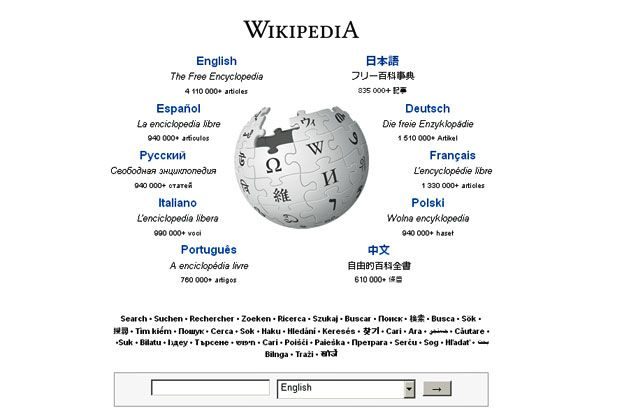
Wikipedia isn’t just a website. It’s a living, breathing archive where anyone with an internet connection can edit, add, or delete content. There are no gatekeepers. No paywalls. It’s run by the Wikimedia Foundation, a non-profit entity that doesn’t care about profit margins, only about the free distribution of knowledge.
Think about that for a second.
Most of the web you interact with daily is built on a transactional model. You click. You buy. You leave data behind. Wikipedia breaks that cycle. It exists entirely outside that commercial loop.
And then there’s the other side of the coin.
The next giant on this list sits at the absolute opposite end of the spectrum. If Wikipedia is the open, chaotic, communal library, the world’s largest online retailer is the controlled, algorithmic mega-mall. One relies on altruism and community policing. The other relies on logistics, ads, and aggressive personalization.
They are both ubiquitous. But they serve fundamentally different human needs. One asks you to contribute. The other asks you to consume.
Why the Non-Profit Model Matters
You might think the lack of advertising is a minor detail. It’s not. It changes how information is presented.
When a site is driven by profit, attention is the currency. Content is optimized for click-through rates, not necessarily accuracy or depth. Wikipedia’s structure forces a different behavior. Edits are debated. Sources are demanded. The “neutral point of view” policy is a constant, grinding pressure against bias.
It’s not perfect. It’s vulnerable to vandalism and subtle bias. But the core incentive structure aligns with preservation, not persuasion.
The Retail Counterweight
Contrast this with the retail giant. Its success isn’t just about selling things. It’s about owning the shelf space of the internet. Every search you make, every purchase you hesitate on, feeds a machine that learns what you want before you know you want it.
Where Wikipedia decentralizes knowledge, this retailer centralizes commerce. It creates a closed loop. You browse. You buy. You leave. There is no option to “edit” the experience. You are a passenger.
The Spectrum of Web Value
This comparison isn’t just about business models. It’s about how we define value online.
Is value found in collective ownership? Or in convenient, personalized delivery?
We live in a world where both exist simultaneously. We use the open archive to check facts. We use the retail engine to buy the products those facts might suggest. Neither is obsolete. Both are essential.
But they operate on different physics.
One is a public square. The other is a private warehouse.
Understanding the difference helps you navigate the rest of the web. Because once you leave Wikipedia and step into the commercial zones, the rules change. You’re no longer a contributor. You’re a customer.
And customers don’t get to rewrite the terms.
Why eBay Remains a Top 20 Global Powerhouse
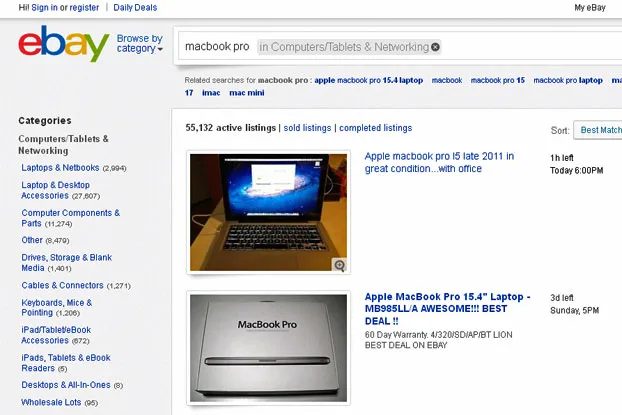
Ebay is not just a relic of the early web. It sits firmly among the top 20 most visited websites on the planet. The platform operates as a massive retail destination. You can buy almost anything there. You can sell almost anything too.
The variety is staggering. And sometimes absurd.
Take the case of a partially eaten grilled cheese sandwich. Yes, that actually exists in listings. It is strange. It is bizarre. But it proves a point. Nothing is off-limits. The site hosts everything from rare collectibles to questionable food items. This sheer volume of unique inventory drives traffic. It keeps the site relevant.
For everyday users, this means access to goods you cannot find elsewhere. Local shops do not carry niche parts. Big box retailers do not stock vintage electronics. Ebay fills that gap. It connects buyers and sellers directly. The auction model adds a layer of excitement. You might win a deal. Or you might overpay. The risk is part of the experience.
The platform’s longevity is impressive. It started with auctions. It has expanded to fixed-price listings. It still runs on the core idea of peer-to-peer trade. Users trust the system enough to spend billions. That trust is earned through decades of operation. It is not new. It is not fleeting. It is a staple of online commerce.
How the Model Works
Buying is straightforward. Search for an item. Check the price. Place a bid or buy it now. Selling is also simple. List the item. Set a price or reserve. Wait for a buyer. The process is efficient. It removes intermediaries. Sellers keep more profit. Buyers get better prices.
The internet infrastructure supports this scale. Fast servers. Secure payment processing. Global shipping networks. All of this works behind the scenes. Users see only the product page. They do not see the complexity. That is good design. It hides the technical weight. It makes the experience light.
Security is a concern for many. But Ebay has systems in place. Buyer protection programs exist. Sellers have dispute resolution tools. The platform monitors for fraud. It is not perfect. Scams happen. But the infrastructure is robust. It handles millions of transactions daily. The site’s ranking reflects this stability. It is a reliable destination.
The Human Element
Ebay is more than code and servers. It is people. It is communities. Collectors trade with collectors. Hobbyists share knowledge. Even the grilled cheese sandwich seller is part of a story. It creates engagement. It makes the site feel alive.
This human connection is hard to replicate. Amazon sells everything. But it feels impersonal. Ebay feels personal. You know who you are buying from. You can message them. You can ask questions. This interaction builds trust. It fosters loyalty.
The site’s popularity is not accidental. It is built on this social fabric. It leverages the internet’s ability to connect disparate groups. It creates markets for every niche. From rare coins to used furniture. The reach is global. The impact is significant. It shapes how we think about ownership. And value. And waste.
Is anything too weird to sell? Apparently not.
The Scale of Chinese E-Commerce Giants
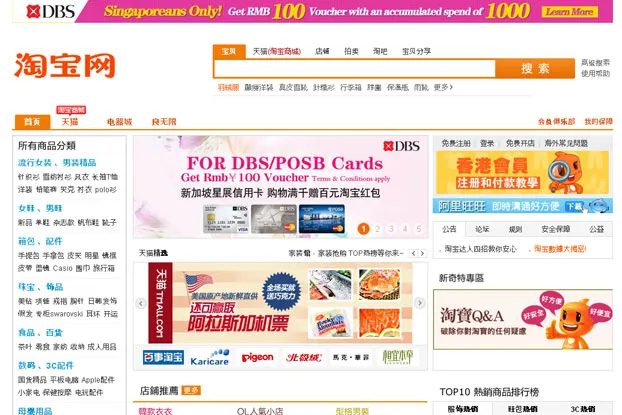
It is easy to look at Alibaba’s ecosystem and assume it is just a local curiosity. It is not. In 2012, Taobao wasn’t just competing; it was dominating. It sat as the third most popular site in China. That is a staggering statistic for a platform that operates under a completely different set of rules than Western e-commerce.
The global picture is just as telling. On the Alexa rating system—a measure of web traffic and engagement—Taobao ranked 14th worldwide. That puts it ahead of most major international retailers and squarely in the conversation with global giants.
When you compare this to the rest of the internet, the hierarchy shifts. While Taobao held the number three spot domestically, the global top three tell a different story about where human attention actually flows.
Who Actually Runs the Web?
If you want to know which site claimed the number three spot on the global stage in 2012, you have to look beyond retail. The answer is often surprising to those who assume shopping drives all traffic.
At that time, the third most popular site in the world was YouTube.
This distinction highlights a massive shift in user behavior. People weren’t just buying things. They were watching them. The global ranking included:
- YouTube
Taobao’s global rank of 14th proves that while it was a titan in Asia, the US and European dominated platforms like YouTube, Facebook, and later Twitter and Yahoo, still commanded the highest raw traffic numbers internationally. The gap between domestic dominance and global reach is real. Taobao was the king of Chinese online shopping, but globally, video and social networks still held the crown for pure eyeballs.
The Scale of the YouTube Empire
Let’s be clear about the numbers. YouTube isn’t just big. It is a behemoth. Ranking as the third most popular site on the planet, it dominates our attention in a way few other platforms can. We are talking about over four billion hours of video consumed every single month. That is an unfathomable amount of content, uploaded, watched, and forgotten in a digital blur.
The platform’s trajectory changed forever in 2006. Google acquired YouTube for a staggering sum, bringing the video giant under the umbrella of the search engine titan. This wasn’t just a purchase. It was a strategic consolidation of attention. By owning YouTube, Google ensured that user time spent on video would still feed its advertising engine.
The acquisition also gave Google leverage over the next most popular site. While the text hints at this hierarchy without naming the runner-up explicitly, the implication is clear: YouTube sits at the apex of a digital food chain where Google holds the keys. For users, this means less fragmentation. For advertisers, it means a unified tracking ecosystem. The question isn’t really about which site is next. It’s about how much more screen time Google can capture before we feel the squeeze.
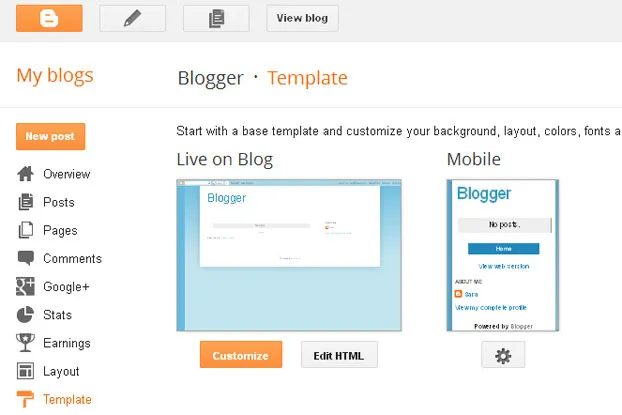
The humble origins of global blogging platforms
Blogger.com didn’t start as a tech giant. It began as a small operation in San Francisco back in 1999. The founders were just trying to make publishing easier for regular people. Google bought the company later, turning a niche tool into part of the search engine ecosystem.
By 2012, the platform had grown massive. It held the 11th spot in the world for Alexa rankings. That’s not just high traffic. That’s cultural dominance. People were still using it for personal blogs, not just corporate feeds.
The next major site also had humble beginnings.
This pattern repeats in tech. Most platforms that define our digital lives started small. They solved one specific problem. Blogger fixed the hassle of HTML coding for the average user. It allowed posts to be published directly from a web browser. No software downloads. No server management.
That simplicity mattered. It lowered the barrier to entry. Anyone with an email address could start writing. The ease of use drove adoption. The acquisition by Google provided the infrastructure to handle millions of users. The Alexa ranking in 2012 proved that the model worked on a global scale.
The next platform followed a similar arc. Small start. Big idea. Massive growth. The details of the next site’s origin story matter because they show how accessibility drives popularity.
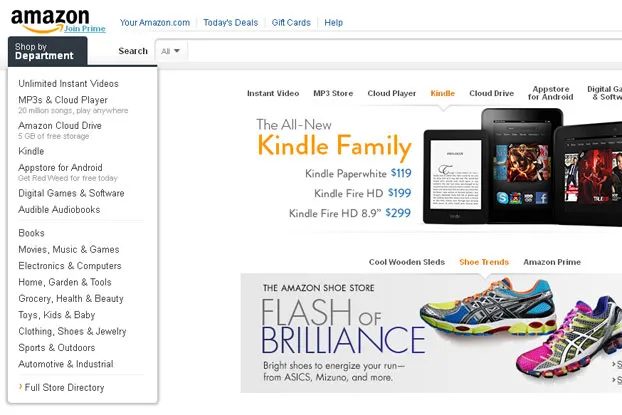
It started with a single book. Shipped from Jeff Bezos’ garage in 1995. That’s all it took to launch what is now the world’s largest online retailer. But the real product wasn’t the book. It was the data.
Amazon didn’t just open a store. It built a surveillance machine disguised as a helpful assistant. Every click. Every hover. Every abandoned cart. All of it gets logged. The company uses this mountain of user data to predict what you want before you even know you want it.
How Amazon’s Recommendation Engine Works
The secret sauce isn’t just inventory management. It’s personalized recommendation algorithms. These systems analyze every registered user’s behavior during every visit. They track what you read. What you discard. What you buy.
The goal? To reduce friction. To make buying as effortless as possible. Which brings us to the infamous one-click buying feature.
“The site uses the data it collects on every registered user during every visit to make personal recommendations.”
This isn’t magic. It’s math. Massive amounts of math. By correlating your past behavior with that of millions of other users, Amazon can suggest items with terrifying accuracy. They know you better than you know yourself.
The Frictionless Transaction
Then there’s one-click buying. Launched in 1997, it removed every barrier between desire and purchase. No shopping cart. No checkout page. Just a single click.
This feature changed consumer psychology. It made impulse buying instantaneous. It also meant Amazon could capture transaction data in real-time. Real-time data feeds the recommendation engine. The engine drives sales. Sales generate more data. The cycle accelerates.
Product reviews also play a role. They aren’t just customer feedback. They’re data points. Reviews help refine search algorithms. They influence which products appear at the top of results. They shape the entire shopping experience.
Why This Matters to You
You might think you’re just browsing. You’re not. You’re being profiled. Your preferences are being mapped. Your spending habits are being predicted.
This level of personalization has benefits. Finding relevant products is easier. Discovering new items you might like is simpler. But the trade-off is privacy. You are trading detailed personal information for convenience.
Amazon’s garage origins are a nice story. But the real story is the data infrastructure. It’s an engine that runs on your attention. And it never stops.
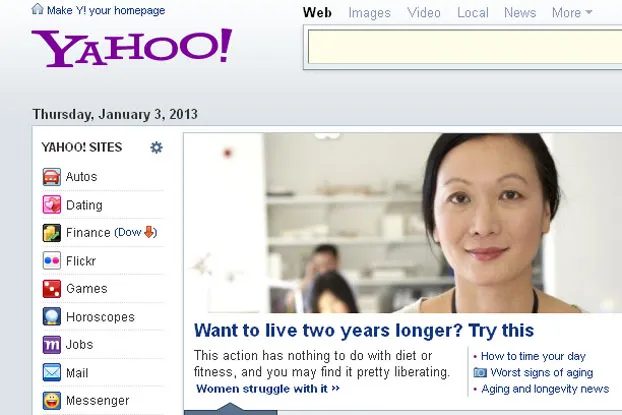
What started as a side project turned into a pillar of the early web. David Filo and Jerry Yang didn’t set out to build an empire. They built a hobby. A directory. A way to make sense of the chaos.
Today, that hobby sits at the top of the heap for general utility sites. You don’t have to look far to see its reach. It ranks just behind YouTube in raw popularity. That’s massive. Most people don’t think about Yahoo when they open their browser. But they use it.
The ecosystem is broad. You have the search engine. The one that actually works. News aggregation that pulls from everywhere. E-mail services that have survived the dot-com bubble and several acquisition attempts. Maps that help you get from point A to point B.
It’s not just nostalgia. It’s infrastructure.
Why Yahoo Still Matters in Search
The search algorithm has changed. It’s faster. It’s smarter. But Yahoo remains a key player. It powers search for Bing and DuckDuckGo. So when you type a query into those other platforms, you’re often seeing Yahoo’s results.
This isn’t a minor detail. It affects how people find information. How they discover products. How they plan trips.
The e-mail side is equally relevant. Yahoo Mail holds millions of active accounts. Older users. Tech-savvy professionals who prefer a clean interface. It’s not the most popular service, but it’s reliable. And in a world of data breaches, reliability is a feature.
The YouTube Comparison
Ranking behind YouTube is a badge of honor. YouTube dominates video. Yahoo dominates general discovery. The two sit side-by-side in the top tier of web traffic.
This isn’t about being the biggest. It’s about being essential. When you need news, you check Yahoo. When you need to find a restaurant, you use Yahoo Maps. When you need to reply to an old contact, you open Yahoo Mail.
It’s quiet utility. No fanfare. Just function.
“It’s not about being the loudest. It’s about being the place people go when they need something done.”
The features are integrated. Search feeds news. News feeds into social shares. E-mail connects the dots. It’s a closed loop. A self-sustaining ecosystem.
How It Affects You
You might not click the logo. But you interact with the engine. Every time you search for a recipe. Every time you check the weather. Every time you read a headline that started on Yahoo News.
It’s pervasive. And it’s growing. Not in flashy ways. In steady, consistent usage.
The hobby of two Stanford students is now a global utility. It doesn’t scream for attention. It just works. And that’s why it’s still here.
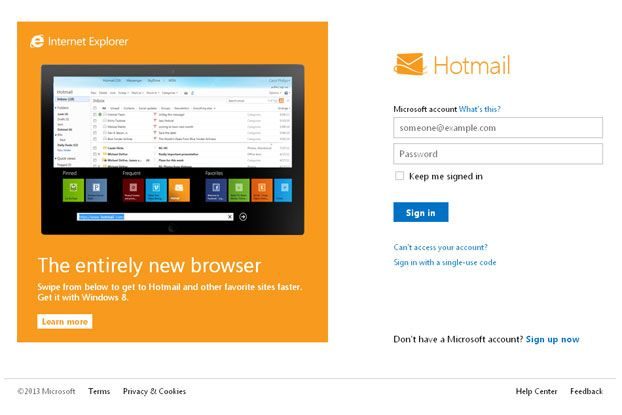
The Scale of Microsoft’s Web Reach
Microsoft’s online footprint is massive. It isn’t just about Windows or Office anymore. It’s about portals. It’s about email. It’s about keeping you logged in.
Windows Live is the starting point. Think of it as the hub. Users sign in once. They get their email. They get their contacts. They get the rest. It’s simple. It’s sticky.
The numbers don’t lie. Microsoft Web sites have more than 300 million users. That’s a third of a billion people. They don’t just visit. They stay. They log in daily.
Where do these sites rank? Top 10 globally. Top 10 in the U.S. It’s not a niche player. It’s a main event. Yahoo! is the comparison. Both are portals. Both rely on login-driven services. Microsoft holds its own. In fact, it often beats out competitors in sheer volume.
The original Microsoft portal on the next page is another contender. It ranks among the most popular sites period. Not just in tech. In all of web traffic.
“It’s not just about having a site. It’s about having a place people return to every day.”
Why does this matter to you? Because your data lives there. Your photos. Your messages. Your files. Microsoft isn’t just selling software. It’s selling access. And it has the traffic to back it up.
The original portal? Still relevant. Still crowded. Still one of the top destinations on the web.
You might wonder how they keep that number up. It’s not luck. It’s integration. It’s convenience. It’s being where you already are.
300 million users don’t disappear overnight. They accumulate. They stick. They grow.
The next page details the original portal. It’s not a relic. It’s a giant. And it’s still standing.
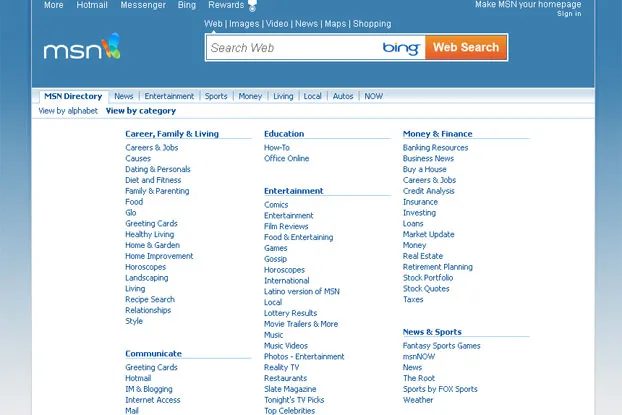
The Origin Story of MSN
MSN started as The Microsoft Network. It landed in 1995. This was the same year Windows 95 arrived. The goal was simple. Connect users to the early web.
It worked. Sort of.
The service became a cultural touchstone in America. People dialed in. They paid by the hour. They read news. They checked email.
But the story didn’t end there.
MSN never really took off outside the United States. It remained a domestic phenomenon. Europe? Asia? Not so much. The global internet moved fast. MSN stayed tied to Microsoft’s ecosystem.
Today, it’s a different beast. The original portal is mostly gone. The brand persists. But the meaning has shifted. It’s less about a destination. More about a suite of tools.
Why It Matters Now
You might remember the splash screen. The blue and yellow logo. That’s the old MSN. It’s still around.
But the new MSN is different. It’s an entry point. A start page. It feeds you news. It aggregates your email. It tries to be your homepage.
The shift happened gradually. The dial-up era died. Broadband arrived. The need for a centralized portal faded. Why visit one site when you can visit ten?
Microsoft adapted. They kept the brand. But they changed the function.
MSN is now a content aggregator. It pulls from Bing. It pulls from Microsoft News. It pulls from your Outlook inbox.
It’s not just a website. It’s a dashboard.
The Global Disconnect
The US obsession with MSN is unique. Why?
It came early. Windows 95 bundled it. Parents trusted Microsoft. They didn’t trust the open web yet.
In other countries, local portals dominated. In Europe, you had different browsers. Different ISPs. Different cultures.
MSN didn’t adapt well. It stayed too Microsoft. Too US-centric.
The result? A fragmented legacy.
What MSN Does Today
If you’re not in the US, you might not recognize it. If you are, you probably use it daily without thinking.
Here’s what it actually is:
- A start page : Set as your browser’s default. It loads instantly.
- A news hub : Curated articles. Not just from Microsoft. From partners too.
- An email client : Integrated Outlook.com access. No more switching tabs.
- A search assistant : Powered by Bing. But smarter. It highlights images. It suggests queries.
It’s not a social network. It’s not a cloud drive.
It’s a portal to the Microsoft ecosystem.
The Verdict
MSN survived because Microsoft refused to let it die.
It’s no longer the gateway to the internet. It’s the gateway to their internet.
The dial-up days are gone. The hour-long fees are gone.
What’s left? A brand. A layout. A way to get news and email in one place.
It’s not revolutionary. It’s not groundbreaking.
But for millions of Americans? It’s still the first thing they see when they open their browser.
Is that enough?
Maybe.
The internet changed. MSN changed with it. Or at least, it tried.
The rest of the world
Why Bing’s “Decision Engine” Model Still Matters
Bing doesn’t have Google’s dominance. It isn’t the default for most people. But Microsoft launched it in 2009 with a specific, somewhat radical idea: stop treating it like a simple search tool and start treating it like a decision engine.
The goal was straightforward. Reduce the junk.
When you search on Google, you often wade through SEO spam, affiliate trapdoors, and generic content farms. Bing’s architecture was built to cut through that noise. It prioritizes answers that help you actually decide something. The algorithm leans heavily into specific verticals. Shopping, travel, local, and health topics get the spotlight. If you’re looking for a hotel in Chicago or the side effects of a new drug, Bing tries to synthesize the answer right on the results page.
It’s roughly the 20th most popular site globally. A distant second? Maybe. A persistent, functional alternative? Absolutely.
The next site in this sequence took a different approach. Instead of refining search results, it generated new vocabulary to go along with its tools.
Twitter still holds the number eight spot in global rankings. The mechanic is simple. You type a message. We call it a tweet. It hits your network instantly. No more sending a dozen separate emails or texts to the same group. One post. Everyone sees it.
The Efficiency of the One-to-Many Broadcast
This isn’t just about convenience. It is about reach. You broadcast to a list of contacts with zero friction. The service handles the delivery. Your friends get the update. You don’t manage the distribution list yourself.
It feels efficient. It feels fast. But it also feels impersonal. You are talking to a crowd. You are not having a conversation. That is the trade-off.
Where Does Twitter Fit in the Social Stack?
Why do people use it over email? Or SMS? Or another social network?
The answer lies in the fan-out. You send one thing. It goes everywhere. If you wanted to tell ten friends about your dinner, you would need ten texts. On Twitter, you send one tweet. Ten people see it. Maybe more. The algorithm might show it to others. The network expands.
This is why it ranks so high. It scales. It grows. It gets bigger as you post.
Beyond the Main Feed
The next page highlights a different kind of site. More specialized. Less broad. It focuses on specific interests. Not general updates. Not broadcast messages.
Think niche communities. Think hobby groups. Think forums where people care about one thing deeply. Twitter is the town square. This next site is the workshop.
How It Affects Your Daily Use
You probably use Twitter without thinking. You check it. You scroll. You see what others are saying. You might reply. You might ignore it.
The service sends your messages to all your friends. That is the core function. It does not check if they are online. It does not wait for a reply. It just delivers.
This changes how you communicate. You write for an audience. You write for impact. You write for the moment. It is not a letter. It is a shout.
Comparison with Email and Texting
Email requires addressing. It requires waiting. Texting requires a direct line. Twitter requires none of that. You post. You move on.
This is the key difference. One message to many. Instantly. Globally.
The Specialized Alternative
The next site is more specialized. It does not try to be everything. It focuses on a specific niche. It caters to a specific group.
This matters because not everyone wants a broadcast. Some people want a conversation. Some people want a community. Twitter offers the broadcast. The specialized site offers the conversation.
Why Number Eight Matters
Eight is high. It is not top five. But it is significant. It means millions of people use it daily. It means the network effect is strong. It means your message can travel far.
This is not a dead platform. It is a living one. It evolves. It changes. It remains relevant.
The User Experience
You type. You post. It goes out. You wait. You check. You see who replied. You see who retweeted. You see who ignored you.
This is the loop. It is addictive. It is distracting. It is powerful.
The Future of
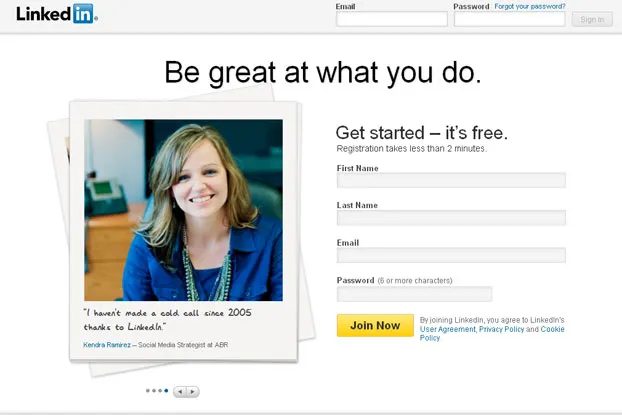
Why LinkedIn Still Rules Professional Networking
LinkedIn isn’t just another social feed. It’s a utility for ambition. You go there to find work. You go there to hunt for sales leads. You go there to connect with people who might hold the keys to your next business partnership. It was built for that specific professional grind.
The site has seen massive growth over the last decade. Millions of users log in daily to update their resumes or browse job postings. But let’s look at the traffic numbers. It doesn’t come close to the giant on the next page. That mega site? Facebook. It dwarfs LinkedIn in raw visits.
Still. LinkedIn remains the go-to place for career moves.
“It’s not about scrolling. It’s about signaling.”
Think of it as your digital handshake. Every post you share. Every connection you accept. It all adds up to a brand. A professional brand. That’s the value proposition. Not memes. Not viral videos. Opportunities.
The platform’s design reinforces this. The layout is clean. Information-dense. It prioritizes profiles over personal lives. This distinction matters. It keeps the noise down. It makes the signal stronger.
For job seekers. It’s a searchable database of employers. For recruiters. It’s a filter for talent. For salespeople. It’s a goldmine of contact info. That’s why companies invest in it. That’s why individuals maintain their profiles with care.
The traffic difference is stark. Facebook has billions of users. LinkedIn has hundreds of millions. But the intent is different. People don’t open LinkedIn to kill time. They open it to make something happen.
That focus drives engagement. It drives value. Even if the total visit count is lower. The quality of interaction is higher. At least in a professional context.
This isn’t just about having a profile. It’s about curating one. Highlighting skills. Showcasing projects. Engaging with industry leaders. It takes effort. But the return can be a new job. A new client. A new partner.
The next part will look at the other giant. The one with the massive user base. But for now. LinkedIn holds its ground. As the professional standard.
Facebook started as an exclusive club for Harvard students. It wasn’t for everyone. Today, the platform is wide open. Anyone can join.
The scale is hard to wrap your head around. There are more than 800 million active users logged in. That number represents a massive chunk of the global internet population at the time.
By 2012, the site had climbed to the second most popular website on the web. It sat just behind Google. That dominance wasn’t accidental. It was the result of years of rapid expansion and network effects.
If you want to dig deeper into how these platforms evolved, you can check out the online social network articles linked in our archives. They provide more context.
You can also test your knowledge with the Web 3.0 Quiz. It’s a quick way to see if you understand the shift from static pages to interactive social hubs.
How Did Facebook Become So Big?
The question isn’t just about numbers. It’s about access. The move from Harvard-only to public changed everything. It turned a college directory into a global utility.
Users didn’t just visit. They stayed. They posted. They connected.
That behavior drove the traffic. It pushed Facebook past competitors who couldn’t match the engagement.
Why 800 Million Matters
That specific user count in 2012 wasn’t just a milestone. It was a threshold. It proved that social networking was no longer a niche hobby. It was mainstream infrastructure.
Advertisers noticed. Developers noticed. Competitors scrambled to catch up.
The impact on everyday users was subtle but deep. Privacy norms shifted. Communication habits changed. The way we share news, photos, and opinions became tied to one platform.
What Happened After 2012?
The story didn’t end there. The platform kept growing. The user base expanded beyond the 800 million mark. New features rolled out constantly.
But the foundation was set in those early years. The transition from exclusive to universal. The move to second-place web status.
It reshaped the internet.
For more on the mechanics of social media, explore the related articles. They break down the technical and cultural shifts.
Take the Web 3.0 Quiz if you want to verify your understanding. It’s not just trivia. It’s about recognizing patterns in how we connect online.
The landscape keeps changing. But the roots remain.