


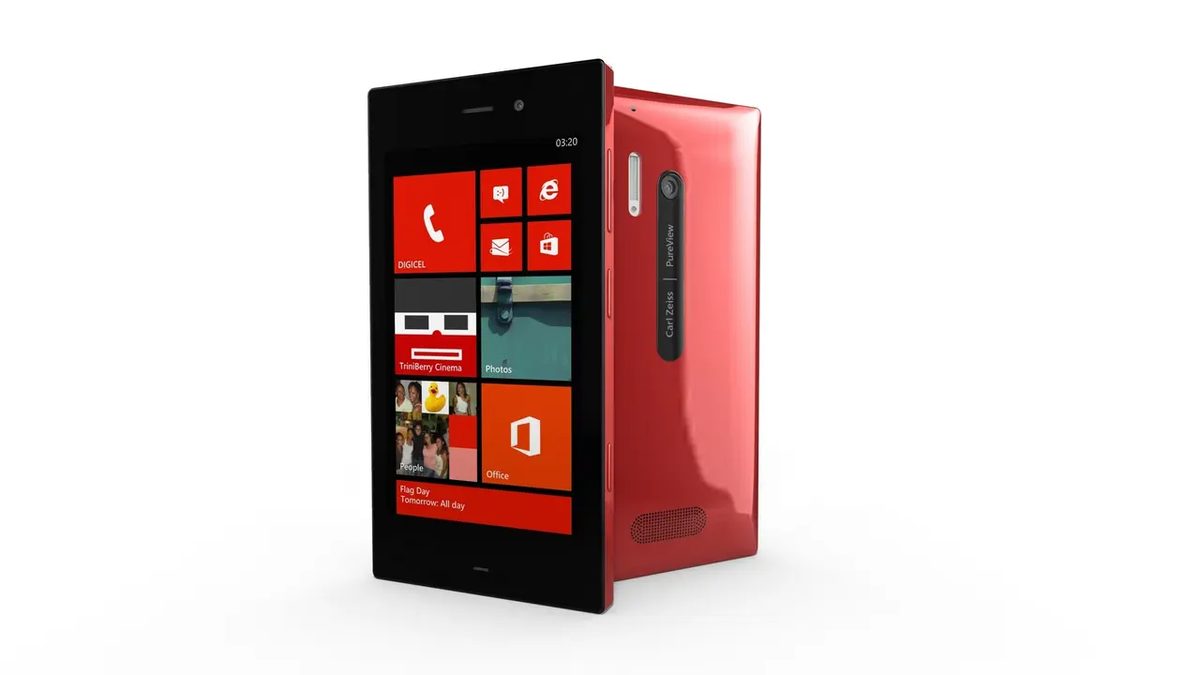
Microsoft launched Windows Phone in October 2010. The goal was simple. Ditch the clunky Windows Mobile interface. Build something designed from the ground up for touchscreens. The result was a UI built around live tiles. These weren’t static icons. They updated in real-time, showing previews of emails, sports scores, or calendar events without opening the app.
It looked clean. It looked different.
Microsoft wanted to carve out a space distinct from the duopoly of iOS and Android. They bet on originality. They bet on ergonomics. For a few years, it almost worked.
The Architecture Shift and the App Gap
The platform evolved quickly between 2010 and 2015. Early versions ran on the Windows CE kernel. By Windows Phone 8, Microsoft switched to the more robust Windows NT kernel. This allowed for better performance and compatibility with existing Windows infrastructure. Windows Phone 8.1 later introduced Cortana, the voice assistant.
Critics and users praised the system. It was smooth. It was intuitive. But praise doesn’t pay developers.
The fatal flaw was the ecosystem. Developers are pragmatic. They code for where the users are. Android and iOS already had massive install bases. Why build for Windows Phone first? It wasn’t until long after launch that major apps arrived. And even then, they were often stripped-down versions of their iOS or Android counterparts.
This lack of software paralyzed the hardware. Users couldn’t adopt a phone if their banking or social apps didn’t work properly.
Nokia’s All-In Bet
Windows Phone’s survival depended on Nokia.
In 2011, Nokia chose Windows Phone as its primary operating system for the Lumia line of smartphones. It was a high-stakes gamble. Nokia was losing ground in the mobile market and needed a fresh start. Microsoft provided the software; Nokia provided the hardware.
The partnership deepened in September 2013. Microsoft acquired Nokia’s devices and services division for $5.4 billion. Suddenly, Microsoft owned the hardware. Lumia phones became the flagship devices for the OS. They represented the vast majority of Windows Phone sales. If Microsoft wanted to compete, these were the devices doing the heavy lifting.
The End of an Era
The writing was on the wall by 2015. Microsoft was pushing hard for a unified experience across all devices. Phones, tablets, desktops—they all needed to run the same code.
Windows Phone 8.1 was the bridge. It received a retroactive update to become Windows 10 Mobile. This was meant to signal a new era of cohesion. One Windows. Every screen.
But the momentum had already slipped away. The market had solidified. The “app gap” had widened into an abyss. Windows 10 Mobile arrived too late to save the platform. It remained a niche curiosity, a testament to beautiful design and terrible timing.
The tiles stopped updating. The servers eventually went dark. Microsoft moved on. But for a brief window, the future looked like a grid of vibrant, living squares. It just wasn’t enough to win the war.


