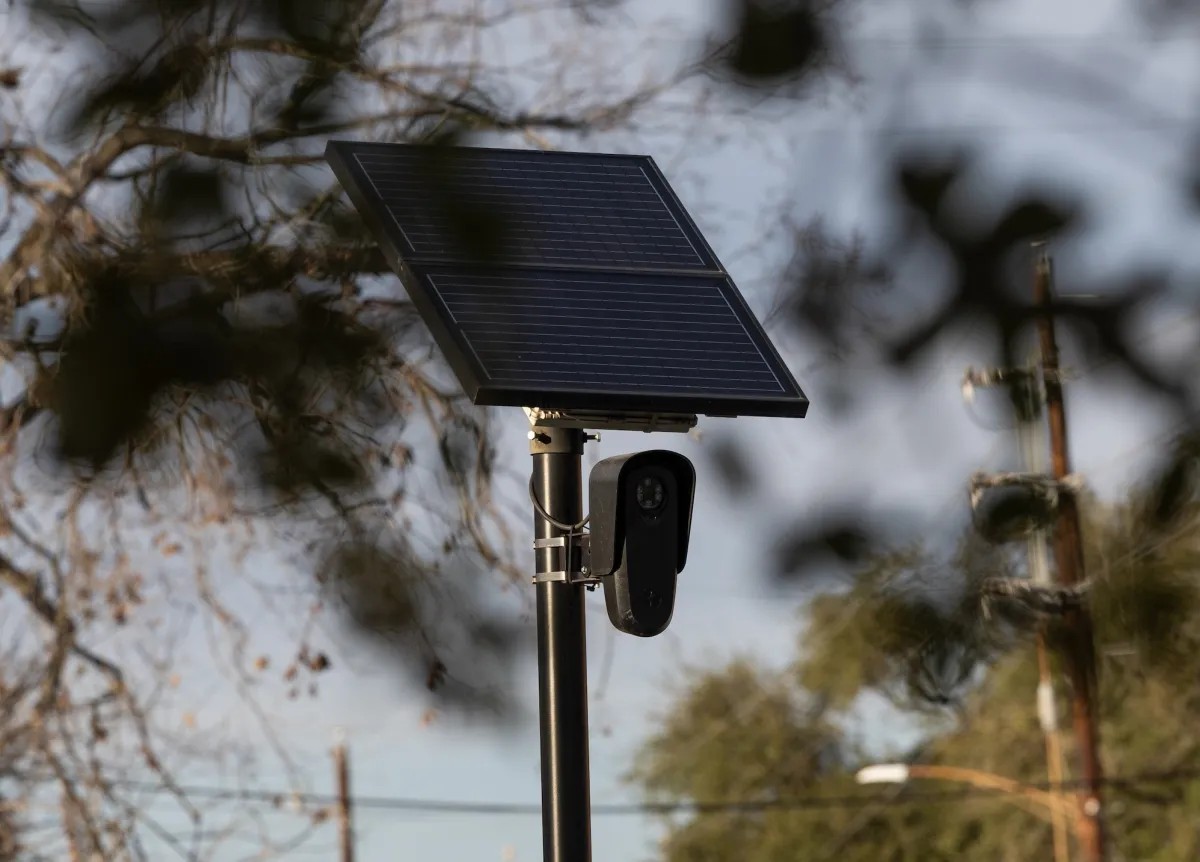
Across the United States, citizens are actively destroying Flock surveillance cameras, signaling escalating public outrage over the company’s role in facilitating immigration enforcement. The Atlanta-based startup, valued at $7.5 billion last year, provides license plate readers to law enforcement agencies nationwide. Critics argue that this data is being used to support increased deportations by U.S. Immigration and Customs Enforcement (ICE).
Flock’s Controversial Data Practices
Flock cameras capture and store license plate data, allowing authorities to track vehicle movements in real time. While the company claims it does not directly share data with ICE, reports indicate that local police departments routinely grant federal agencies access to their Flock camera feeds and databases. This indirect collaboration effectively allows ICE to leverage the surveillance network for raids and immigration enforcement.
The core issue is simple: unchecked data sharing between local law enforcement and federal immigration authorities. This raises serious privacy concerns, as everyday citizens are unknowingly tracked and their data potentially used in deportation proceedings.
Direct Action: Camera Vandalism Spreads
Resistance to Flock’s technology is now manifesting as physical destruction. In La Mesa, California, cameras were smashed shortly after the city council voted to continue deploying them, despite strong public opposition. Similar acts of vandalism have been reported in Connecticut, Illinois, and Virginia. In Oregon, vandals cut down six license plate-scanning cameras and spray-painted a defiant message: “Hahaha get wrecked ya surveilling fucks.”
Growing Opposition and Rejection
The backlash against Flock isn’t limited to vandalism. Dozens of cities have already rejected the use of Flock cameras outright. Some police departments have even blocked federal authorities from accessing their Flock data. According to DeFlock, a mapping project tracking license plate readers, nearly 80,000 cameras are currently deployed across the United States.
Flock has not yet provided comment on whether it tracks the number of destroyed cameras.
This trend highlights a broader tension between surveillance technology and civil liberties. As the use of automated tracking expands, so too does public resistance, suggesting a growing unwillingness to accept unchecked data collection and its potential consequences.