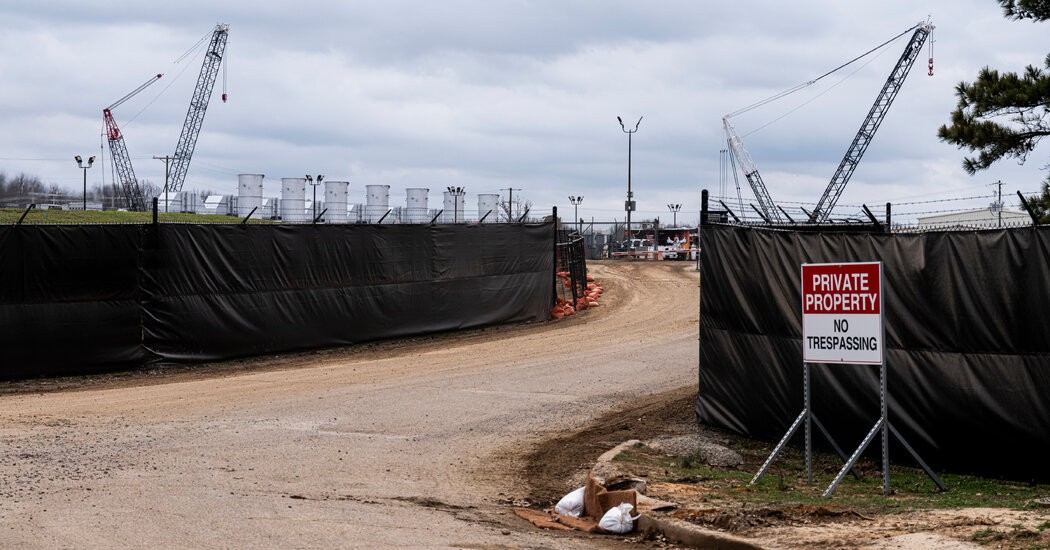
Residents of Southaven, Mississippi, are experiencing firsthand the trade-offs that come with the rapid expansion of artificial intelligence infrastructure. The core issue is noise pollution from temporary turbines installed by Elon Musk’s xAI to power data centers in the region. This is just the latest example of the growing friction between tech investment and local community concerns.
The Quiet Life Disrupted
Demetri Carter, a 60-year-old Southaven resident, moved to the city for peace and quiet, fleeing the more chaotic environment of nearby Memphis. Her experience highlights a broader trend: residents often choose suburban or rural areas precisely for their tranquility, which is now threatened by large-scale industrial projects. The sudden installation of turbines near her home has shattered that peace, creating noise levels comparable to jet engines.
Many residents are now avoiding their homes on weekends, seeking respite from the constant roar. This suggests the issue isn’t just a minor inconvenience but a significant disruption to quality of life.
The Broader Conflict: Tech Investment vs. Community Impact
Southaven’s situation is not unique. Across the globe, communities are increasingly clashing with tech companies over the environmental and social costs of AI-driven data centers. While state and local governments often welcome the billions in tech investment, residents and activists point to severe drawbacks: excessive water consumption, rising electricity prices, and now, disruptive noise pollution.
This tension reveals a fundamental conflict. The pursuit of rapid AI development often clashes with the desire for sustainable, livable communities. Local officials are often willing to sacrifice some quality of life for economic gain, leaving residents feeling powerless against corporate expansion.
The Future of AI Infrastructure
The backlash against data centers is growing, and Southaven’s experience serves as a cautionary tale. Ignoring community concerns could lead to more resistance and regulatory hurdles for tech companies. The situation underscores the need for better planning, transparent negotiations, and a genuine commitment to mitigating the environmental and social impacts of AI infrastructure.
The conflict in Southaven is more than just a local dispute; it’s a sign of the challenges ahead as AI continues to expand. The question now is whether tech companies will prioritize profits over people, or work towards solutions that benefit both.