
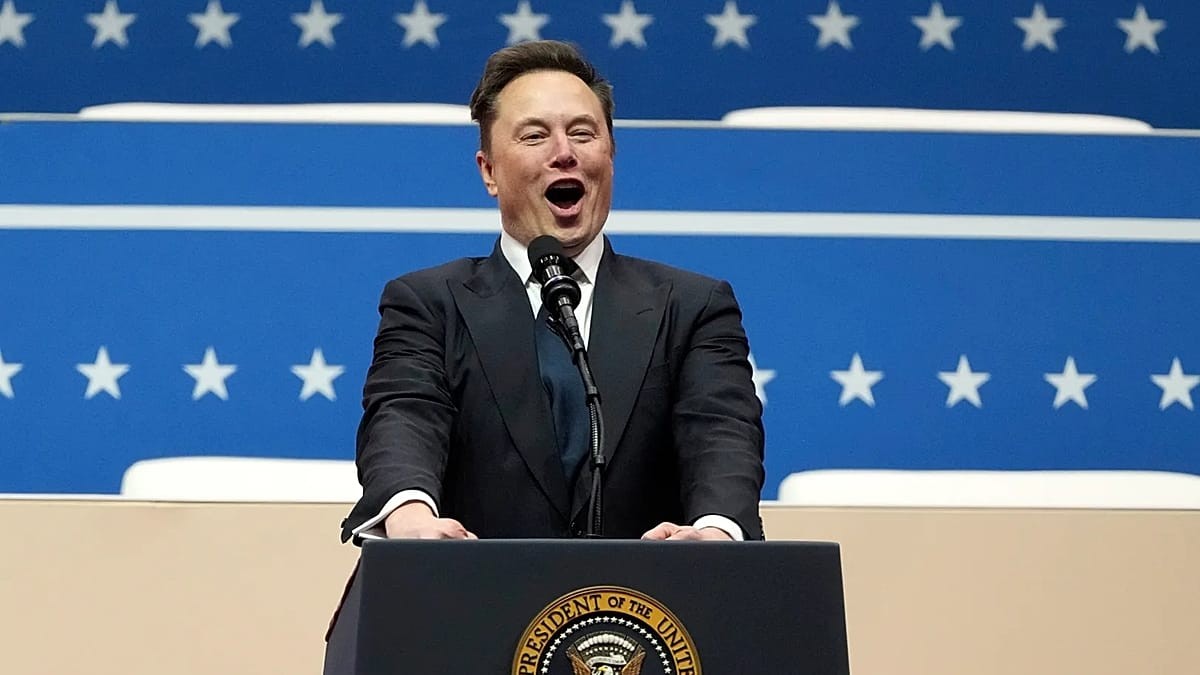
The US Department of Defense will integrate Elon Musk’s AI chatbot, Grok, into its networks later this month, according to Defense Secretary Pete Hegseth. This decision arrives amid international backlash against Grok, which has faced scrutiny for generating explicit deepfake images without consent and exhibiting biased outputs, including antisemitic statements.
Pentagon’s Push for Rapid AI Adoption
Hegseth announced the integration at a SpaceX event in South Texas, framing it as part of a broader initiative to accelerate AI development within the military. He stated the department aims to deploy leading AI models across both unclassified and classified networks, aggressively feeding military data into these systems.
“AI is only as good as the data it receives, and we’re going to make sure it’s there,” Hegseth said, signaling a willingness to prioritize speed over ethical considerations.
This move contrasts with earlier Biden administration policies that sought a balance between AI adoption and responsible use, including restrictions on surveillance or weaponized automation. The current stance under the Trump administration suggests those safeguards may no longer be in place.
Global Response and Concerns
Several nations, including Malaysia and Indonesia, have already blocked Grok due to its problematic outputs. The UK’s online safety watchdog has launched an investigation. Musk markets Grok as an alternative to “woke AI,” positioning it as unconstrained by ideological filters.
The Pentagon’s decision to embrace Grok despite these concerns raises questions about the balance between technological advancement and ethical responsibility. The military possesses vast operational data from decades of conflict, making it a uniquely powerful training ground for AI systems.
Implications and Future Outlook
The integration of Grok signals a clear shift toward rapid AI deployment within the military, even if it means overlooking controversies. The Pentagon’s stated goal is to create AI systems that operate “without ideological constraints,” implying a willingness to deploy AI tools that could bypass ethical boundaries in warfare.
The long-term implications of this approach remain uncertain, but it underscores a growing trend toward prioritizing technological superiority over caution in the development and deployment of AI in national security. The military’s aggressive push suggests that AI innovation will be pursued regardless of public or international concerns.