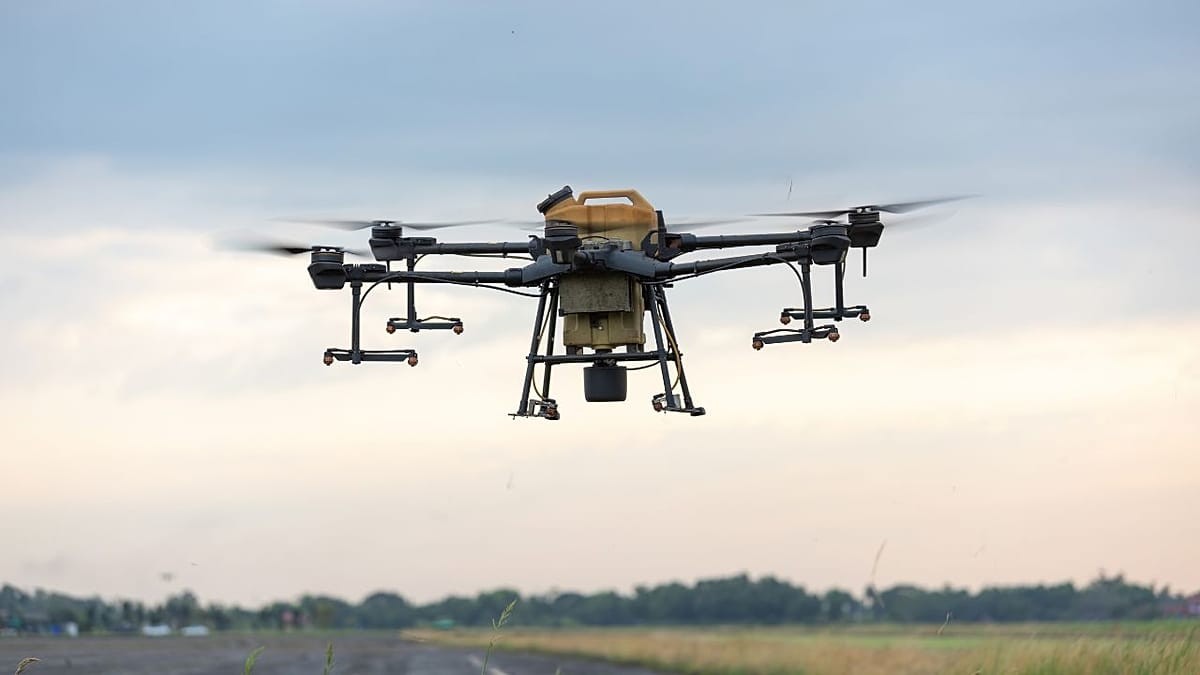
European agriculture is undergoing a quiet tech revolution, with drones increasingly prominent at trade shows alongside traditional machinery. Yet, despite the potential benefits, strict regulations are hindering the commercial use of drones, particularly in crucial applications like pesticide spraying.
The Regulatory Bottleneck
The European Union Aviation Safety Agency (EASA) categorizes drone operations into “Open” and “Specific” use cases. While recreational or filmmaking drones fall under the lenient “Open” category, agricultural uses – especially those involving pesticide application – face stringent “Specific” regulations. This is compounded by the Directive 2009/128/EC, which effectively bans aerial pesticide spraying unless no viable alternatives exist.
The practical result is a bureaucratic nightmare: farmers must navigate tedious, member state-specific permitting processes, often only to discover that the necessary pesticides aren’t even approved for drone-based application.
US vs. EU: A Stark Contrast
The United States adopts a more pragmatic approach, allowing drone use with proper certifications. Europe, however, defaults to prohibition, granting waivers only in exceptional cases – such as steep vineyards where other methods are impractical. This creates a clear disadvantage for European farmers and stifles innovation.
Political Resistance and Missed Opportunities
Recent attempts to modernize drone regulations failed due to strong opposition from the European Parliament and farmer groups. Despite a letter from Portugal and 14 other member states recognizing the benefits of drones in precision farming, the Sustainable Use Directive overhaul was scrapped.
This oversight is not merely bureaucratic inertia; it represents a missed opportunity to improve efficiency, reduce pesticide exposure for workers, and align with global agricultural trends. As other nations embrace this technology, Europe risks falling behind.
The current regulatory framework effectively prioritizes caution over progress, leaving European agriculture at a competitive disadvantage.
Ultimately, the EU’s approach to drone technology in agriculture is a case study in how overregulation can stifle innovation and hinder a sector poised for transformative growth.