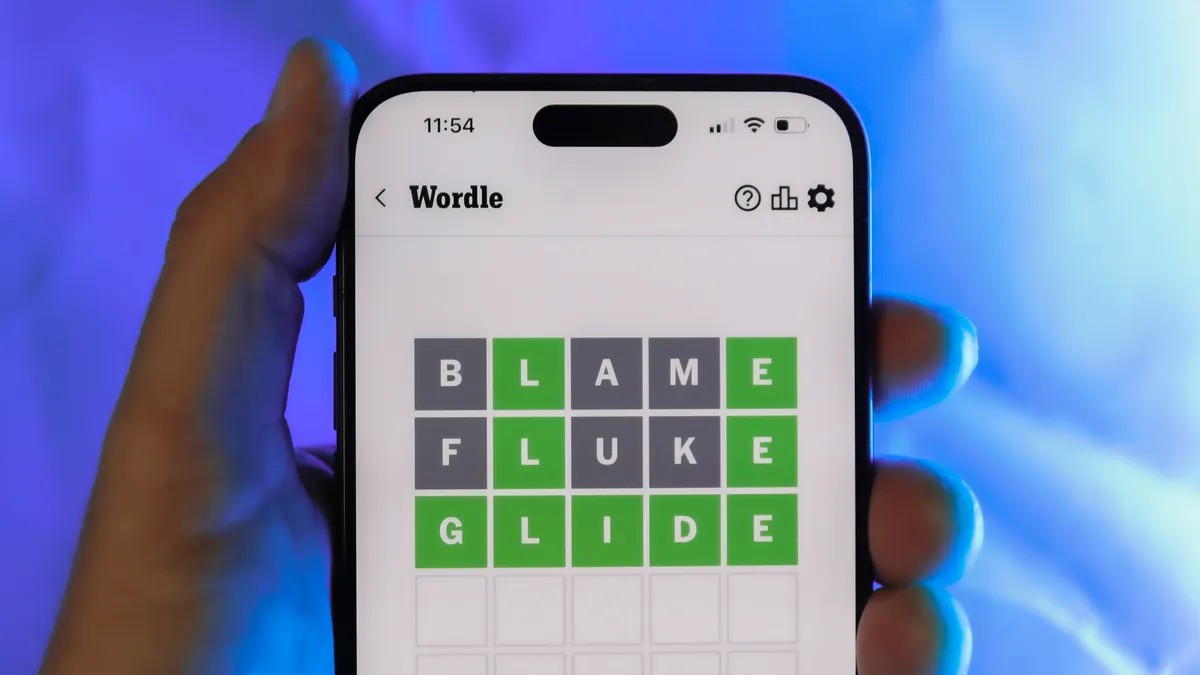
The daily word game from The New York Times presents a moderate challenge for May 2. Players tackling Wordle puzzle #1778 will find that the solution relies on recognizing a common verb with a somewhat unusual vowel structure. While the difficulty is rated as medium, the specific letter distribution may trip up those who rely heavily on standard five-letter word patterns.
Strategic Hints for Solvers
If you are looking to solve the puzzle on your own, consider these structural clues before revealing the solution. These hints break down the linguistic constraints of today’s target word:
- Letter Repetition: The word contains no repeated letters. Every character is unique.
- Vowel Count: There is only one vowel in the entire word. This is a significant constraint, as most five-letter words contain two or more vowels.
- Starting Letter: The word begins with B.
- Ending Letter: The word concludes with G.
- Definition: The word defines the action of conveying or carrying something from one place to another.
The Solution
Based on the constraints above—specifically the single vowel and the B-G bookends—the answer for today is:
BRING
Context and Recent Trends
Wordle #1778 follows a series of puzzles that have tested players’ familiarity with both common and slightly more obscure vocabulary. Yesterday’s answer, PLUME (May 1, #1777), required players to think beyond simple objects to more descriptive nouns.
Looking back at the recent cycle, the game has maintained a mix of straightforward and tricky entries:
* April 30 (#1776): CROCK
* April 29 (#1775): RURAL
* April 28 (#1774): QUACK
* April 27 (#1773): EERIE
The inclusion of words like “QUACK” and “EERIE” suggests a recent trend toward words with distinctive phonetic patterns or double letters, making today’s “BRING”—with its clean, single-vowel structure—a refreshing change of pace for regular players.
Key Takeaway: Today’s puzzle rewards players who pay attention to vowel scarcity. When a word has only one vowel, the consonant structure becomes the primary guide for deduction.