The transition from domestic consumer electronics to high-stakes military technology is a stark reflection of Ukraine’s current reality. What began as a mission to entertain lonely pets has evolved into a sophisticated effort to develop autonomous weapons capable of bypassing modern electronic warfare.
The Evolution of Petcube
The story begins with Petcube, a device designed by entrepreneur Yaroslav Azhnyuk and his team. Originally, the gadget was a simple, smartphone-controlled tool intended to help pet owners monitor and play with their animals remotely using a laser pointer. The technology was successful, finding markets in dozens of countries worldwide.
However, the onset of full-scale conflict has forced a radical shift in focus. The same fundamental components—remote operation, image recognition, and laser-based interaction—that made Petcube a success for pet owners are now being repurposed for the battlefield.
The Rise of Autonomous FPV Drones
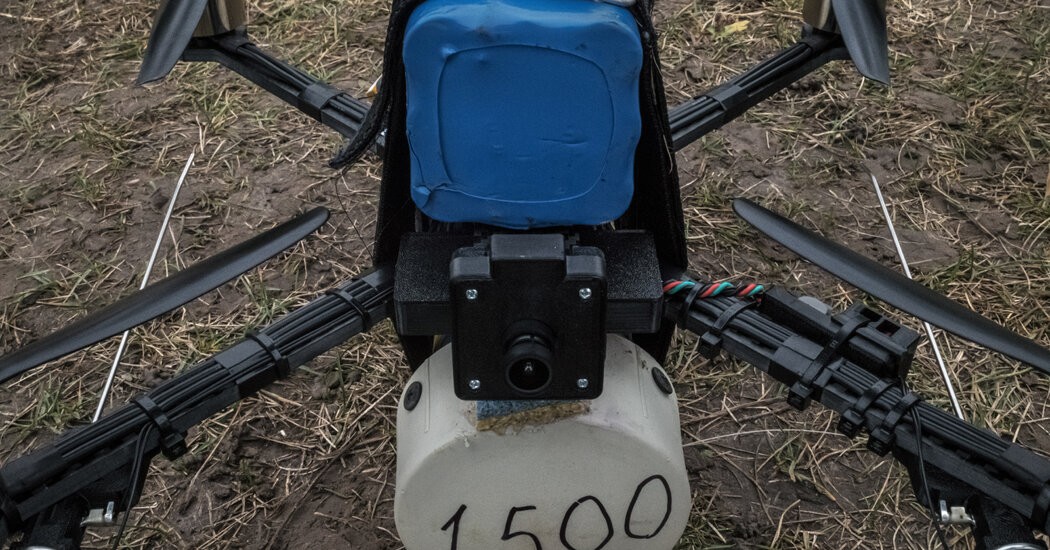
The team has transitioned their expertise into two new ventures: Odd Systems and The Fourth Law. Their focus has shifted from domestic gadgets to First-Person-View (FPV) drones, small quadcopters that have become essential tools in modern drone warfare.
Unlike standard drones, these new systems integrate Artificial Intelligence (AI) to solve one of the most significant challenges on the modern battlefield: electronic jamming.
How the Technology Works
The core innovation lies in the integration of AI-powered image recognition with autopilot systems. The process follows a specific technical workflow:
- Target Identification: Instead of recognizing a cat or a dog, the AI is trained to identify military assets such as vehicles, artillery, or personnel.
- The YOLO Protocol: Utilizing a targeting method known as “You Only Look Once” (YOLO), the system processes visual data rapidly to pinpoint targets.
- Autonomous Final Strike: Once a pilot identifies a target, they engage the automated system. The drone then flies the final ~400 yards autonomously.
Why This Matters: Defeating Electronic Warfare
The shift toward autonomy is not merely a technological upgrade; it is a tactical necessity. In modern warfare, Russian forces frequently use electronic jamming to sever the link between a drone pilot and their aircraft, rendering traditional remote-controlled drones useless.
By allowing the drone to complete its final approach using its own “eyes” (the AI image recognition) rather than a remote signal, these systems become impervious to jamming during the most critical phase of the attack. This represents a broader trend in Ukraine, where civilian tech hubs are rapidly transforming into specialized military contractors to meet the demands of high-tech attrition warfare.
The pivot from pet entertainment to autonomous combat drones illustrates how rapid technological adaptation is becoming a cornerstone of Ukrainian defense strategy.
Conclusion
By repurposing consumer-grade AI and remote-control technology, Ukrainian innovators are developing autonomous drones that can bypass enemy jamming. This transition highlights a broader trend of civilian tech expertise being redirected to meet the urgent, evolving demands of modern battlefield survival.