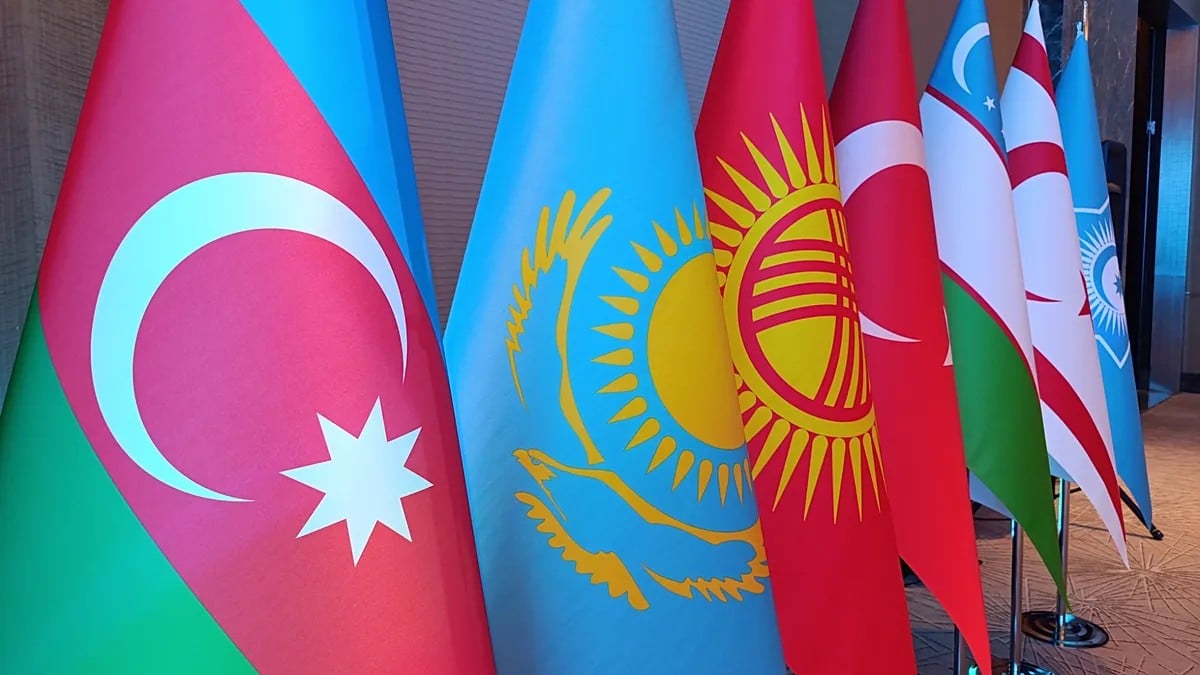
The Organisation of Turkic States (OTS) is taking a proactive stance against the global surge in disinformation, hosting a series of high-level meetings in Baku, Azerbaijan to address the growing threat. The move underscores the increasing importance of regional cooperation in countering false narratives and maintaining information integrity.
The Challenge of Cross-Border Disinformation
The spread of misinformation is not confined by national borders; it travels rapidly through global platforms like YouTube and Instagram, often outpacing governments’ ability to enforce local laws. Zarina Kalmuratova, a chief specialist from Kyrgyzstan’s Ministry of Culture, highlighted this challenge, stating that “citizens…spread false information and the government can’t do anything about it.”
This reality presents a critical dilemma: how can nations protect their citizens without infringing on freedom of speech or creating tools for censorship? Kyrgyzstan’s 2022 anti-fake news law, though intended to curb misinformation, faced immediate criticism for its potential to silence dissent. Two years later, Kalmuratova insists the law has not been misused, with enforcement limited to requesting content removal from offending outlets within 24 hours, followed by temporary blocking if requests are ignored.
However, this framework struggles when applied to international platforms. The OTS is now pushing for tech giants like Meta and Google to establish official operations within Turkic-speaking countries, creating a direct line of accountability that currently does not exist.
Beyond Restriction: Building Trust and Regional Standards
The strategy extends beyond mere enforcement. Kazakhstan’s Deputy Minister of Culture, Kanat Iskakov, advocates for developing trustworthy media alternatives. “We must develop coordinated approaches to journalistic standards for digital services to build audience trust,” he stated, emphasizing that credibility will ultimately determine success. This approach recognises that simply blocking content is insufficient; audiences must have reliable sources to turn to instead.
The media itself faces systemic threats, with historical persecution remaining a reality, as noted by Natig Mammadli of Azerbaijan’s Media Development Agency. Maintaining professionalism is key to survival, but the modern landscape presents new challenges: specifically, the rise of AI-generated fake news.
A Regional Experiment in Media Policy
The meetings in Baku — including the 12th Working Group Meeting on Media and Information, Media Forum, and the 7th ministerial-level conference — represent a deliberate effort to establish common media policies across diverse political systems within the OTS. The organisation includes Turkey, Azerbaijan, Kazakhstan, Kyrgyzstan, and Uzbekistan as full members, with Hungary and Turkmenistan as observers.
The next forum will be held in Turkey, where member states will continue to address the core questions of enforcement, trust-building, and the potential for regional cooperation to overcome limitations faced by individual nations. The OTS initiative is a significant experiment: can collective action provide solutions to a problem that transcends national jurisdiction?
The future of information integrity in the Turkic States hinges on finding the balance between protecting citizens from harmful falsehoods and preserving a space for legitimate debate. This delicate act will determine whether the OTS can effectively navigate the complex terrain of global disinformation.