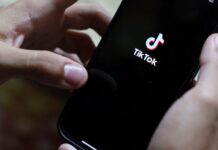
TikTok will continue operating in the United States under new majority U.S. ownership, averting a potential ban that lawmakers have sought for years. The move comes after intense political pressure regarding data security and content control, with U.S. officials expressing concerns over the app’s ties to its Chinese parent company, ByteDance.
Years of Scrutiny
For years, U.S. politicians have demanded ByteDance divest TikTok to an American entity. The core argument centers on fears that the Chinese government could access user data or manipulate the app’s algorithm for propaganda purposes. Though evidence of actual spying remains unproven, the political momentum led to a forced sale, culminating in the formation of TikTok USDS Joint Venture LLC.
New Ownership Structure
TikTok USDS Joint Venture LLC now controls TikTok’s U.S. operations, along with other ByteDance apps like CapCut and Lemon8. While ByteDance retains a 19.9% stake, the majority ownership rests with U.S. investors, including Silver Lake (private equity), Oracle (IT), and MGX (UAE investment firm). Additional stakes are held by firms like Dell Family Office and Susquehanna International Group. The shift ensures that U.S. user data will be stored within Oracle’s domestic cloud servers, a step taken to address security concerns.
Impact on the Algorithm and Content
The new ownership means U.S. TikTok users will experience algorithm changes tailored to American preferences and political sensitivities. The algorithm will be retrained using U.S. data, housed in Oracle’s cloud, potentially curbing the visibility of content perceived as politically sensitive (e.g., pro-Palestinian perspectives). While U.S. creators’ content will still be shared globally, whether American users will continue to see diverse international content remains unclear.
Leadership and Oversight
The joint venture is led by Adam Presser and Will Farrell, both former TikTok employees. A seven-member board, with a majority of American representatives, will oversee the operation. Notably, TikTok’s Singaporean CEO, Shou Chew, will also serve as a director.
The changes reflect a growing trend of geopolitical tensions spilling into the tech sector. Governments increasingly assert control over digital platforms, prioritizing national security over open access. Whether this approach ultimately safeguards user data or stifles free expression remains to be seen.
In the end, TikTok will stay, but it will operate under new rules, shaped by American interests and oversight. This sets a precedent for how other foreign-owned tech companies may be pressured to adapt to U.S. demands.