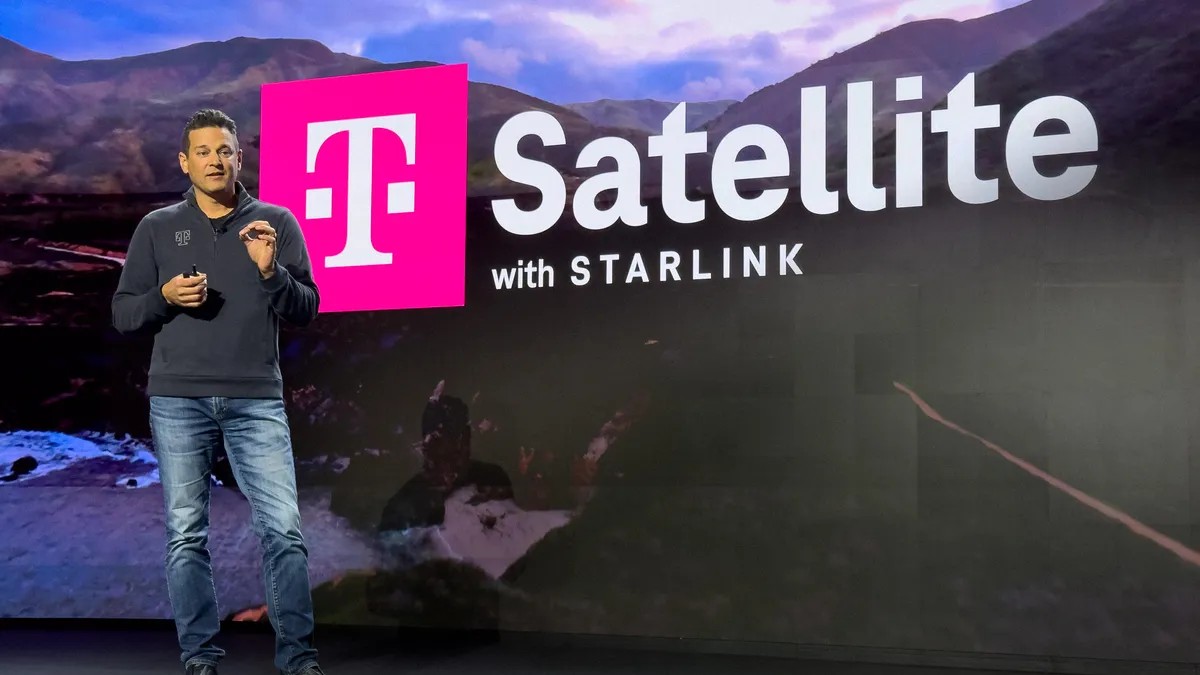
T-Mobile subscribers can now access the carrier’s satellite connectivity services while traveling in Canada and New Zealand. This expansion allows users to send texts, make voice calls via optimized apps like WhatsApp, and use limited data when they are out of traditional cellular range.
Previously, T-Mobile’s T-Satellite service was restricted to the continental United States, Puerto Rico, Hawaii, and parts of Alaska. The new international capabilities mark a significant step toward seamless global connectivity for travelers.
How It Works
The expanded coverage is made possible through strategic partnerships with local telecommunications providers:
* In Canada: Rogers Satellite
* In New Zealand: One NZ Satellite
Both partners utilize SpaceX’s Starlink network, a constellation of low-Earth orbit satellites. This infrastructure enables reliable communication in remote areas where ground-based cell towers are absent or non-functional.
Key Technical Details:
* Device Compatibility: The service works with most smartphones manufactured in the last four years.
* No Special Hardware Required: Users do not need additional equipment to connect to the Starlink network.
* Plan Availability: T-Satellite is included in T-Mobile’s “Experience Beyond” and “Better Value” plans. It is also available as a standalone secondary eSIM account for $10 per month.
Why This Matters
The choice of Canada and New Zealand as the first international markets is strategic. Both nations feature vast geographic areas where traditional cellular infrastructure is sparse or non-existent.
- New Zealand: 5G coverage is limited, and 4G networks remain concentrated around major metropolitan areas.
- Canada: Large northern wilderness regions lack consistent cellular signal.
For travelers, this means the ability to stay connected while exploring remote national parks or rugged terrain. Beyond convenience, this connectivity offers a safety net, allowing users to call for help or maintain contact with friends in emergencies.
“We are building on our leadership in satellite connectivity by working with leading international operators so our customers can stay connected when they travel abroad.”
— T-Mobile Representative
Future Outlook
T-Mobile indicates that this is just the beginning. The carrier is actively pursuing additional collaborations to expand satellite coverage to more international destinations. As global connectivity becomes increasingly vital for both business and leisure travel, these partnerships aim to eliminate the “dead zones” that have historically plagued remote exploration.
In summary, T-Mobile’s expansion into Canada and New Zealand demonstrates a growing trend in telecommunications: leveraging satellite technology to bridge the gap between urban connectivity and remote travel, ensuring users remain reachable regardless of their location.