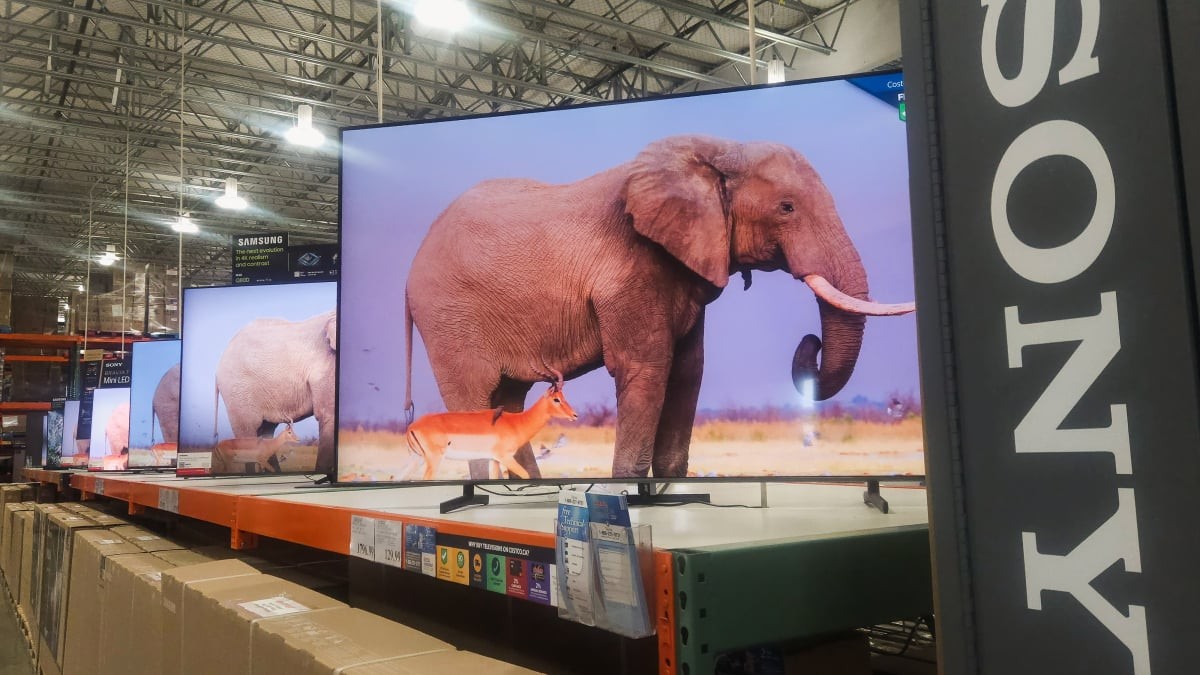
Sony is partnering with TCL in a new joint venture, effectively transferring day-to-day control of its television business to the Chinese manufacturer. The move, announced via a memorandum of understanding, will see TCL holding a 51% stake in the new company while Sony retains 49%. This means TCL will oversee product development, manufacturing, sales, logistics, and customer support across the globe, with operations slated to begin in April 2027.
Why This Matters: A Shift in Power
For years, Sony’s BRAVIA TVs have been synonymous with premium picture quality and high prices. This partnership doesn’t change that overnight, but it represents a fundamental shift in how those TVs are made and sold. TCL’s strengths lie in its massive display manufacturing scale and efficient supply chains, allowing it to produce TVs at a lower cost. By combining Sony’s renowned image processing technology with TCL’s manufacturing prowess, the companies aim to offer “even more captivating audio and visual experiences.”
What Consumers Can Expect
The most visible outcome for consumers is the continued presence of Sony and BRAVIA branding on future TVs. However, behind the scenes, TCL will have greater influence over how these TVs are built, priced, and distributed. This could translate into more competitive pricing without sacrificing image quality, potentially making Sony TVs more accessible to a wider audience.
The Bigger Picture: Industry Consolidation
This deal is part of a larger trend in the TV industry: consolidation. Manufacturing costs are high, and scale matters. Other brands like LG and Samsung have long maintained vertical integration, controlling much of their supply chains. Sony, historically focused on innovation and branding, now recognizes the need to leverage TCL’s manufacturing efficiency to remain competitive.
Long-Term Implications
Over time, this partnership could subtly redefine what “Sony TV” represents. While the brand’s technological contributions will remain, TCL’s influence will grow. The key question is whether Sony can maintain its premium image while allowing TCL to dictate more of the production process. If successful, this alliance could offer consumers the best of both worlds. If not, it risks diluting the Sony brand over time.
Ultimately, this move demonstrates the growing dominance of Asian manufacturers in the global TV market. Sony’s willingness to cede control highlights the industry’s evolving landscape, where scale and cost efficiency are increasingly critical for survival.