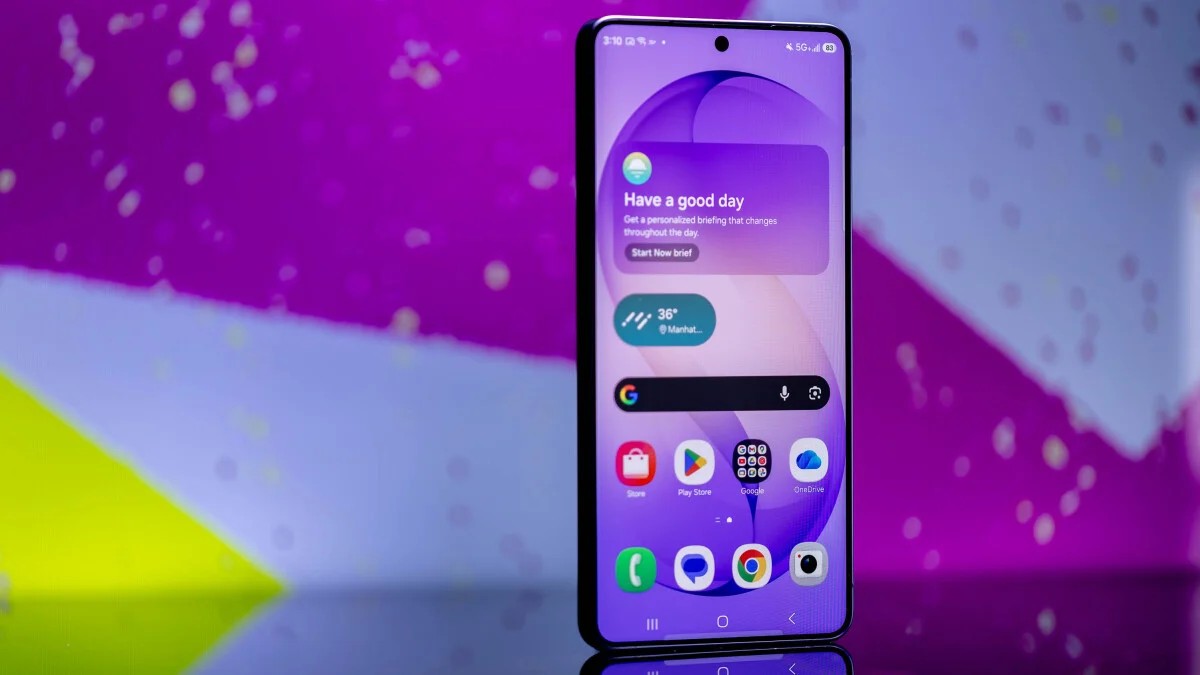
The Samsung Galaxy S26 Ultra arrives as a formidable competitor in the smartphone market, pushing boundaries in performance and features while simultaneously testing the limits of practicality. Having spent two weeks extensively testing this flagship device – capturing over 1,400 photos, countless videos, and subjecting it to rigorous real-world use – it’s clear that Samsung isn’t just iterating; it’s engineering a device for the future, whether consumers are entirely ready for it or not.
Performance and Innovation: A Leap Forward
In a landscape of incremental upgrades, the S26 Ultra stands out with significant improvements. The new Snapdragon 8 Elite Gen 5 processor delivers a staggering 10.7% performance increase over the iPhone 17 Pro Max, achieving a multi-core score of 10,827 in Geekbench 6. This isn’t just about benchmark numbers; it translates to a noticeably smoother and faster experience, even under heavy load. The phone handles demanding tasks – 4K video recording, simultaneous app usage, and AI processing – without breaking a sweat, thanks to an improved vapor chamber preventing overheating.
However, the real innovation lies in the Privacy Display feature. This isn’t just a software tweak; it works at the pixel level, allowing users to selectively blackout portions of the screen with a tap. While not foolproof, it offers a practical solution for sensitive viewing situations, from preventing prying eyes on public transport to discreetly handling confidential information. This is a feature Apple has yet to match, highlighting Samsung’s willingness to experiment with hardware-level innovation.
The Camera: A Refined System, Not a Revolution
The S26 Ultra retains the same camera array as its predecessor: a 200MP wide lens, 50MP ultra-wide, 50MP telephoto with 10x optical zoom, and a 10MP telephoto with 3x optical zoom. The improvements lie in wider apertures, enhancing low-light performance and detail capture. The camera system excels in both still photography and video recording, producing crisp, color-accurate images even in challenging conditions. Nightography has also been improved, delivering impressive results that border on the unreal.
While the camera setup is undeniably strong, the core hardware remains unchanged, making the upgrade less compelling for those who own the S25 Ultra. However, the AI-powered image editing tools – including AI-assisted object removal and generative fill – add significant value, allowing for precise and intuitive post-processing directly on the device.
Size and Ergonomics: The Price of Power
The biggest drawback of the S26 Ultra isn’t its performance or features; it’s its sheer size. Despite being slightly slimmer than the previous model, the phone remains unwieldy, requiring two hands for comfortable operation. While some users may appreciate the immersive 6.9-inch AMOLED display, others will find it too large for practical use. The phone fits in pockets, but the awkward ergonomics make it less enjoyable to hold and use for extended periods.
Display Quality and AI Integration
Samsung initially claimed a 10-bit display, later clarifying it’s an 8-bit panel simulating 10-bit color depth. The difference is negligible in real-world use. The 120Hz Dynamic AMOLED display remains stunning, offering vibrant colors, deep blacks, and HDR10 support with a peak brightness of 2,400 nits.
The S26 Ultra also doubles down on AI integration, embedding Gemini, Perplexity, and Bixby directly into the user experience. Long-pressing the side button instantly launches Gemini, allowing voice or text-based queries, screen sharing, and real-time assistance. AI-powered image editing tools, including generative fill and object removal, work remarkably well, though Samsung wisely labels AI-generated content to combat misinformation.
Conclusion
The Samsung Galaxy S26 Ultra is an undeniably impressive device, pushing the boundaries of smartphone technology. Its raw power, innovative features like Privacy Display, and refined camera system make it a top contender for Android enthusiasts and power users. However, its unwieldy size and incremental camera upgrades may not justify the investment for casual consumers. This is a phone for those who demand the absolute best – even if that means sacrificing some practicality in the process.