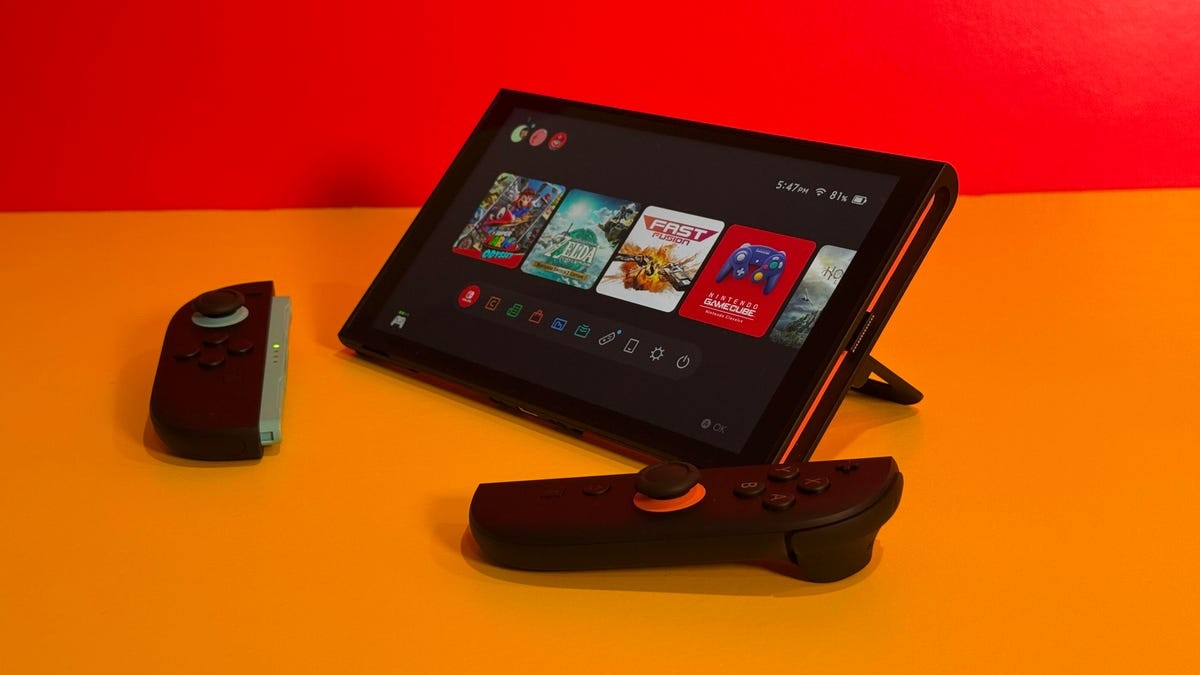
One year ago. I rushed to judgment. The hype machine was spinning too fast for clear thinking, and the Switch 2 landed with all the weight of a “slam dunk” expectation. My initial verdict was tepid. Best handheld? Sure. Mandatory upgrade? Hell no. It felt like the same proposition with a sharper graphics card and a suspiciously empty shelf where Zelda and 3D Mario should have been.
The paradox of the original Switch stuck around. Same DNA. Better eyes.
But 2026 changed the math. The economy bit back. Electronics got pricey. PC gaming rigs and Steam Decks now climb toward a thousand-dollar mark, which is wild to type, let alone justify. Even the aging PS5 and Xbox cost more in secondary markets. Nintendo is hiking the Switch 2 price by fifty bucks come September, pushing it to five hundred dollars. A grand sum, certainly.
Yet? Look at the alternative. Console gaming has become a luxury item, a niche hobby for people with disposable income and fragile sanity. In that light, the Switch 2 isn’t just cheaper, it feels reasonable.
No one needs a console. Your phone exists. Your PC hums in the corner. You could play anything.
And yet, I’m impressed. Really. It’s competing with those boutique PC handhelds on visual fidelity, maybe even leading them today, though the gap will close. The dock matters. The modular controllers matter. It is, against all odds, still the king of casual multiplayer. Competitors try to copy this. They fail. Why? Maybe they don’t understand fun. Maybe they understand profit instead.
“Console gaming is a luxury now.”
The software library tells the real story. I wrote it off at the start. No Mario. No Zelda. A desert.
I was wrong.
Donkey Kong Bananza actually wowed me. Metroid Prime 4 runs beautifully, arguably better than on the legacy hardware, even though you can run it there. Pokémon Pokopia arrived out of the ether to become the next cozy time-killer. Weird games appeared, too. Kirby Air Riders. Yoshi and the Mysterious Book. They were weird, wild cards that landed.
Then there’s the third-party support. It shocked me. This machine runs Resident Evil Requiem. Indiana Jones and the Great Circle looks gorgeous. Cyberpunk 2077. Pragmata. Even Madden, which was playable enough that I forgot how long it had been since I played football games on a portable device. A decade, easily.
The hardware isn’t perfect. Don’t expect perfection from anything Nintendo makes anymore.
The battery life? Mediocre. A few hours. You adapt. You carry a power bank. You dock. The screen is an LCD, bright and serviceable, but don’t call it vibrant like an OLED. And the Joy-Cons? They feel thin. The triggers lack analog depth. My thumbs remember what “comfy” feels like.
Nintendo games also age like milk in their price hikes, though they did drop digital first-party prices by ten bucks earlier this year. A gesture. A small one.
So, do you buy it?
I used to say wait. Now I say buy. Especially before the price jump in September. You get a free game with the unit. Not a filler title. Donkey Kong. Pokopia. Mario Kart. Titles that cost seventy dollars on their own. That is a deal in this economy.
Here is the shift. Nintendo is stopping the backward compatibility dance. Except for Rhythm Heaven in July, expect first-party releases to be Switch 2 exclusives. Indies will still cross-pollinate, chasing the hundred-million-strong legacy user base. But the big fish? They’re staying home.
The Switch 2 won’t be a cultural tsunami. It isn’t trying to be. It’s an iteration. A pragmatic step up. It powers through the heavy hitters, the big AAA ports that other handhelds choke on. One year in, the library justifies the hardware.
Still, you don’t need it. You really don’t.
You can stick with the old one. Keep playing the old games. Lower your expectations for the new ones. Life goes on.