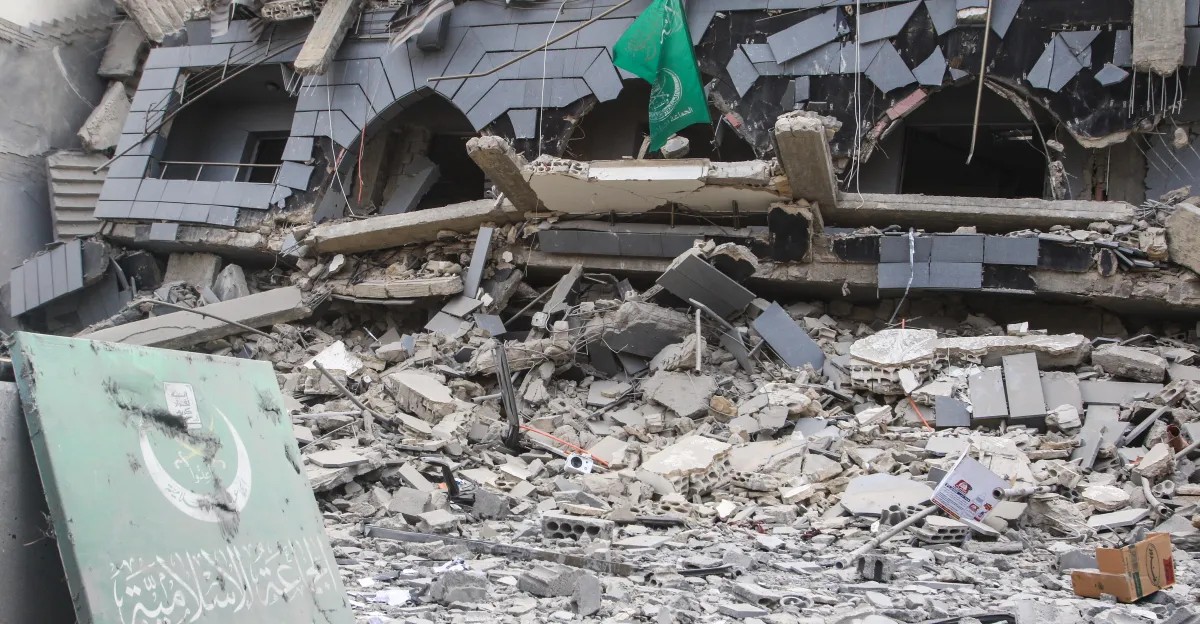
For years, Iran built a network of regional allies – dubbed the “axis of resistance” – designed to deter attacks on Iranian soil by overwhelming adversaries like Israel and the United States. This strategy, predicated on coordinated retaliation, has effectively failed. The October 7th Hamas attacks on Israel triggered a chain of events that exposed the limitations of this network, leaving Iran more isolated and vulnerable than it has been in decades.
The Core Strategy: Regional Deterrence
Iran’s approach wasn’t about direct confrontation; it was about proxy warfare. By supporting groups like Hezbollah in Lebanon, the Houthis in Yemen, and various Iraqi militias, Tehran aimed to create a multi-front deterrent. The idea was simple: if Iran were attacked, its allies would unleash simultaneous strikes against Israel, US forces, and regional partners, making retaliation too costly. This relied on overwhelming force and exploiting vulnerabilities in existing defense systems.
However, the October 7th attacks fundamentally altered the equation. While Iran may not have directly ordered Hamas’s actions, the ensuing war allowed Israel to systematically weaken Tehran’s regional partners, proving the axis’s inability to respond effectively.
The Cracks Begin to Show
The response from Iran’s allies since October 7 has been underwhelming. Hezbollah, once boasting the ability to destroy Israeli cities, fired only a limited number of rockets. The Houthis, who previously disrupted global shipping through the Red Sea, have been conspicuously quiet. Iraqi militias staged minor attacks, easily intercepted by US defenses. This impotence is not accidental; it’s a symptom of deeper systemic failures.
As Emile Hokayem of the International Institute for Strategic Studies notes, the axis was never intended for attrition warfare. Instead, it was designed for a simultaneous, overwhelming strike. But Israel’s aggressive response – including strikes within Iran itself – revealed the network’s inability to deliver on that promise.
From Strength to Isolation
The collapse of the “axis of resistance” wasn’t overnight. Iran’s regional influence peaked in 2018, with allies gaining ground in Syria, Iraq, and Lebanon. By establishing a “land bridge” to the Mediterranean, Iran seemed poised to project power across the region. Yet, this momentum unraveled following Hamas’s October 7 attacks.
The shift began with targeted strikes against key figures and infrastructure. Hamas leaders were assassinated in Tehran, Hezbollah leaders were killed in Lebanon, and the Syrian regime fell after a rapid rebel offensive. These actions, combined with Israel’s intensified campaign against Iranian nuclear facilities, left Iran isolated and exposed.
The Legacy of October 7
The turning point was clear: Hamas’s October 7th attack fundamentally altered the strategic landscape. While Iran may not have orchestrated the attack, it underestimated the consequences. The resulting war allowed Israel to dismantle critical elements of the “axis of resistance,” leaving Iran vulnerable to direct strikes.
The failure of the network raises questions about its viability. While some elements remain intact – Hezbollah still possesses a substantial arsenal – their willingness to engage in another major conflict is questionable. The axis may not be entirely dead, but it has been irreparably weakened.
In conclusion, Iran’s strategy of regional deterrence through proxy warfare has collapsed. The October 7 attacks triggered a chain of events that exposed the limitations of the “axis of resistance,” leaving Iran isolated, vulnerable, and facing unprecedented pressure from Israel and the United States. This failure underscores the fragility of relying on asymmetric warfare as a substitute for conventional strength.