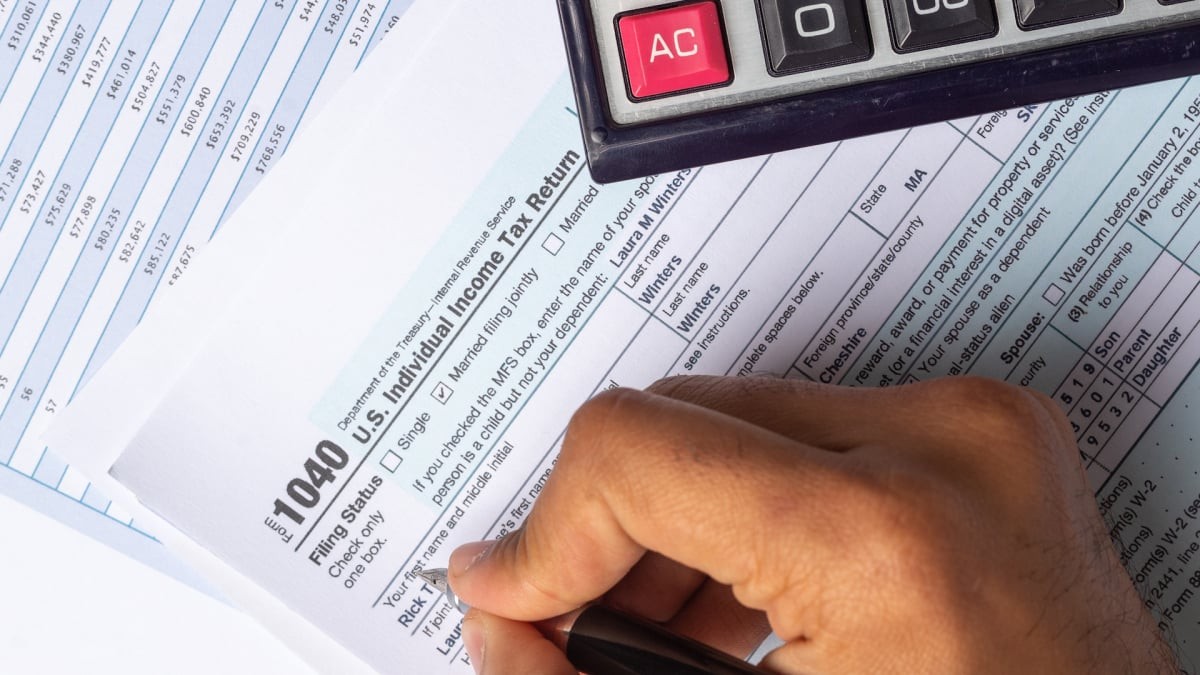
The ongoing partial U.S. government shutdown will not disrupt the processing of 2026 tax returns. The Internal Revenue Service (IRS) has confirmed that operations will continue as scheduled, despite funding lapses affecting certain departments.
Why Tax Filing Remains Uninterrupted
The shutdown primarily impacts the Department of Homeland Security (DHS) and related agencies. The IRS, however, operates under a different funding structure, ensuring continued functionality. According to the agency’s official statement, IRS offices will maintain regular hours, online tools will remain accessible, and all standard services will proceed without interruption. Taxpayers are expected to meet their filing and payment obligations as usual.
The Shutdown’s Origins
The current shutdown began on February 14th and stems from a deadlock between Congressional Democrats and the White House over DHS funding. Democrats are demanding immigration enforcement reforms in response to recent incidents involving federal immigration authorities. Specifically, they seek changes to prevent masked enforcement officers, require citizenship verification before detentions, and protect sensitive locations like schools and hospitals from enforcement activity.
Filing Your 2026 Taxes: Key Points
The IRS encourages taxpayers to utilize its online resources for filing. The agency’s website provides instructions for electronic filing, with refunds typically processed within 21 days for e-filers.
- Free Filing Options: While the Trump administration discontinued the Direct File pilot program, the IRS Free File program remains available, offering free tax preparation software to eligible taxpayers. Free online fillable forms are also accessible.
- Electronic Refunds: The IRS strongly encourages taxpayers to opt for electronic deposits. A 2025 executive order mandates federal agencies, including the IRS, to prioritize electronic payments over paper checks.
- Paper Check Delays: Taxpayers unable to provide banking information may still receive refunds via check, but processing times will be significantly longer. The IRS will first request electronic deposit details or an explanation for non-compliance; failure to respond could delay refunds by up to six weeks.
The IRS’s continued operation underscores the separation between essential government functions and politically driven shutdowns. This ensures taxpayers can fulfill their obligations without disruption, even during periods of legislative impasse.
The IRS will continue to operate as normal, regardless of the ongoing shutdown. Taxpayers should proceed with filing as scheduled, utilizing available resources to ensure timely processing.