Many smartphone users are conditioned to automatically upload photos and videos to cloud services like iCloud or Google Photos. But as storage costs rise and subscription models tighten, it’s time to reconsider whether the convenience of the cloud is worth the long-term expense and potential loss of control. For years, cloud storage was cheap — even free — but that era is over.
The Cloud’s Hidden Costs
Google Photos, once a bastion of unlimited free storage, abruptly ended that benefit in 2021. Suddenly, users faced a choice: pay for a Google One subscription or lose access to seamless backups. This shift highlights a critical truth: cloud storage isn’t yours; it’s rented. Monthly fees accumulate over time, easily exceeding the cost of a one-time investment in physical storage. The cloud also locks you into a service; cancel your subscription, and your files become inaccessible after a period.
The illusion of “free” storage is just that — an illusion. Those files don’t vanish into thin air; they reside on someone else’s servers, and you’re paying for the privilege of keeping them there. This dependency introduces risk; your memories are now subject to the pricing policies and long-term viability of a corporation.
The Alternative: External Hard Drives
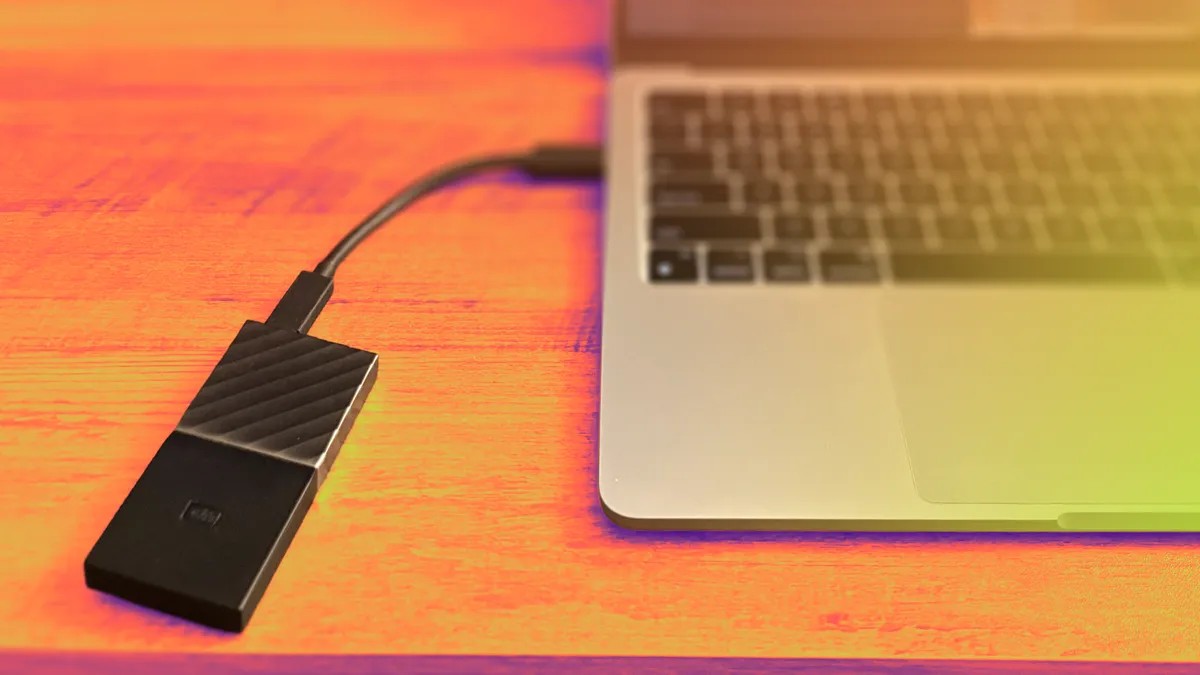
A more sustainable solution is using external hard drives (HDDs) or solid-state drives (SSDs). A 1TB SSD can be purchased for under $100 — a fraction of the cost of years of cloud subscription fees. While it requires manual effort, this approach offers true ownership and long-term security.
HDDs typically last 3–5 years, while SSDs can function reliably for at least five. Unlike cloud storage, your physical drive remains yours, regardless of corporate policy changes.
How to Back Up Your Photos Manually
The process is straightforward:
- Transfer: Connect your drive and copy files from your phone or computer.
- Organize: Create folders by date or event (e.g., “July 2024”, “Summer Vacation”).
- Delete: Remove files from your device after verification.
Many users find this process becomes routine after a few times. For extra safety, create a second backup on another drive.
The Shift in Mindset
Using physical storage also encourages more intentional photo-taking. Knowing that space isn’t infinite forces you to curate your memories rather than mindlessly capture everything. You’ll find yourself keeping only the truly important images, much like the single photo some people kept in their wallets.
Why This Matters
The move away from cloud dependency isn’t just about saving money; it’s about reclaiming ownership of your digital life. Just as Kodak once dominated photography but vanished, today’s tech giants may face an uncertain future. Your memories should not be held hostage by a corporation.
By choosing physical storage, you invest in a tangible asset that remains yours indefinitely. The cloud may be convenient, but long-term control and financial sense favor the hard drive.