































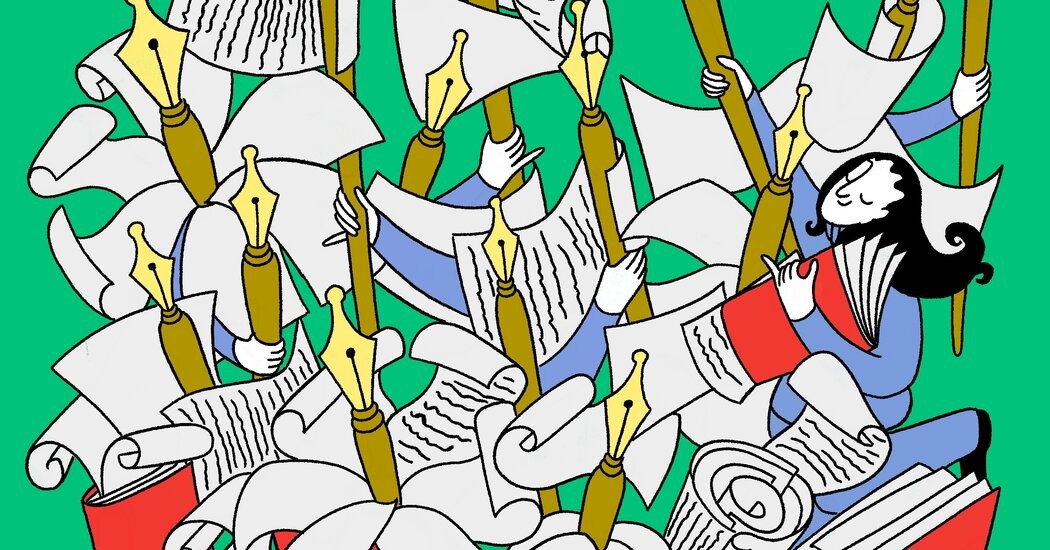
The rise of artificial intelligence poses an existential threat to human expression. As algorithms consume and regurgitate the totality of online content, the unique, messy, and deeply personal nature of human thought is at risk of being homogenized into a bland, predictable imitation. In this context, the humble diary – a physical book filled with handwritten thoughts – emerges not as a quaint relic, but as a crucial act of defiance.
The Commodification of Human Experience
AI models learn by scraping data, including the creative output of writers and artists, often without consent. This process turns individual expression into a commodity, reducing the nuance of human experience to statistical patterns. The internet, once a space for free exchange, is becoming a training ground for machines that can mimic, but never truly feel.
This is why the physicality of a diary matters. It represents an intentional withdrawal from the digital realm, a refusal to contribute to the very systems that seek to erase individuality. A handwritten diary is a fortress against algorithmic appropriation. It cannot be scraped, indexed, or replicated without physical intervention.
The Ephemeral Nature of True Thought
The word “diary” comes from the Greek ephemeris, meaning something fleeting and transient. This is the very essence of its power. Unlike AI-generated text, which is designed for permanence and scale, a diary captures the ephemeral nature of life: a passing thought, a forgotten emotion, a half-formed idea.
A chatbot can simulate thought, but it cannot experience the tenderness of human senses. It cannot perceive the world through fallible, subjective eyes. A diary is where we express what we genuinely think, a private archive of memory and feeling that exists independently of algorithmic scrutiny.
The Power of Private Expression
Consider the example of a discarded diary found in a New York storage unit. Its pages, filled with raw, unfiltered thoughts, revealed a writer who intentionally rejected the notion of an audience. The goal wasn’t publication, but the act of thinking itself – a conjuring of an “imaginary community of readers and philosophers” through the sheer force of private expression.
This is the radical potential of the diary. It is a space for unfiltered self-exploration, free from the constraints of optimization or validation. The writer described wielding a pen like a “wand,” unlocking a “conquest for more knowledge.” This isn’t just about recording events; it’s about cultivating a mind that resists being molded by external forces.
In an era where everything is data, the diary stands as a testament to the value of what cannot be quantified. It is a reminder that human thought, in its messy, subjective glory, is worth preserving – one handwritten page at a time.
The future of human voice may depend on our willingness to disconnect from the machine and reconnect with ourselves, through the simple, defiant act of writing.