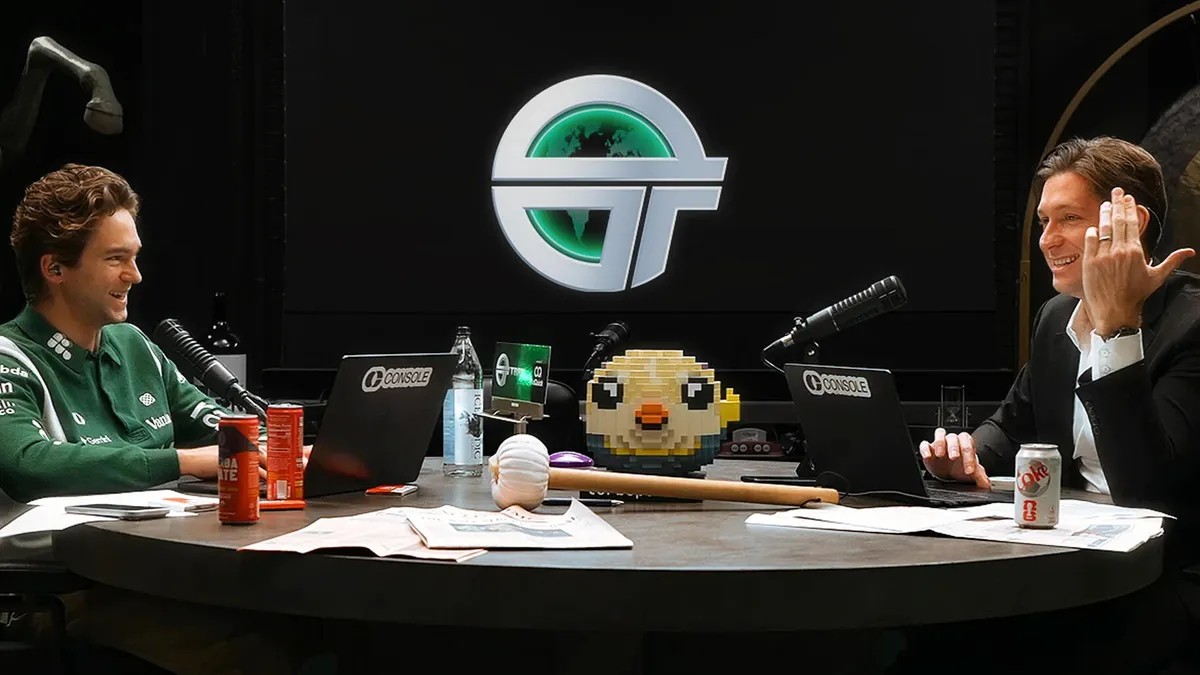
OpenAI, the artificial intelligence company behind ChatGPT and other advanced AI systems, has acquired Technology Business Programming Network (TBPN), a live-streamed tech talk show. This move comes as OpenAI refocuses on core business applications and scales back on experimental projects like AI-generated video and adult chatbots. The acquisition highlights a broader trend of AI firms expanding into media to shape narratives around their technology.
The Shift in OpenAI’s Strategy
Over the past few weeks, OpenAI has appeared to prioritize commercial viability, cutting back on “side quests,” as executives called them. The company seems determined to move beyond pure research and into profitable, high-impact applications. This is a common pattern in tech, where early experimental phases are followed by consolidation and monetization. The TBPN acquisition is a direct step in this direction. OpenAI’s CEO of AGI deployment, Fidji Simo, explicitly stated the company wants to leverage TBPN’s marketing and industry insights.
TBPN: A Rising Voice in Tech Media
TBPN launched in October 2024 and quickly gained traction with its fast-paced, ESPN-style coverage of tech news, analysis, and commentary. The show’s hosts, Jordi Hays and John Coogan, have interviewed industry giants including Sam Altman (OpenAI), Mark Zuckerberg (Meta), and Satya Nadella (Microsoft). With 70,000 daily viewers and projected revenue exceeding $30 million this year, TBPN has proven itself as a viable media entity. Notably, the show has not shied away from critical commentary on the AI industry, including OpenAI itself.
The Question of Editorial Independence
The acquisition has raised concerns about whether TBPN will maintain its editorial independence under OpenAI’s ownership. OpenAI leadership, including Altman, has publicly stated that TBPN will retain full control over its programming, guest selection, and editorial decisions. However, skepticism remains, with critics like David Sirota pointing to the broader trend of accountability journalism being undermined by financial incentives. The success of this acquisition hinges on OpenAI’s ability to credibly commit to non-interference.
Why This Matters
The move signals a growing trend of tech companies directly acquiring or influencing media outlets. This allows them to control the narrative around their products, manage public perception, and preemptively address criticism. In an era where AI is rapidly reshaping industries, controlling the conversation is as crucial as developing the technology itself. OpenAI’s acquisition of TBPN is a clear demonstration of this strategy.
The acquisition is a calculated move that allows OpenAI to shape the narrative around its technologies. If OpenAI follows through on its promises of editorial independence, this could be a win-win: TBPN retains its credibility, and OpenAI gains a powerful platform for shaping public discourse around AI. However, if OpenAI interferes with TBPN’s editorial decisions, it risks undermining its own credibility and further fueling skepticism about the industry’s motives.