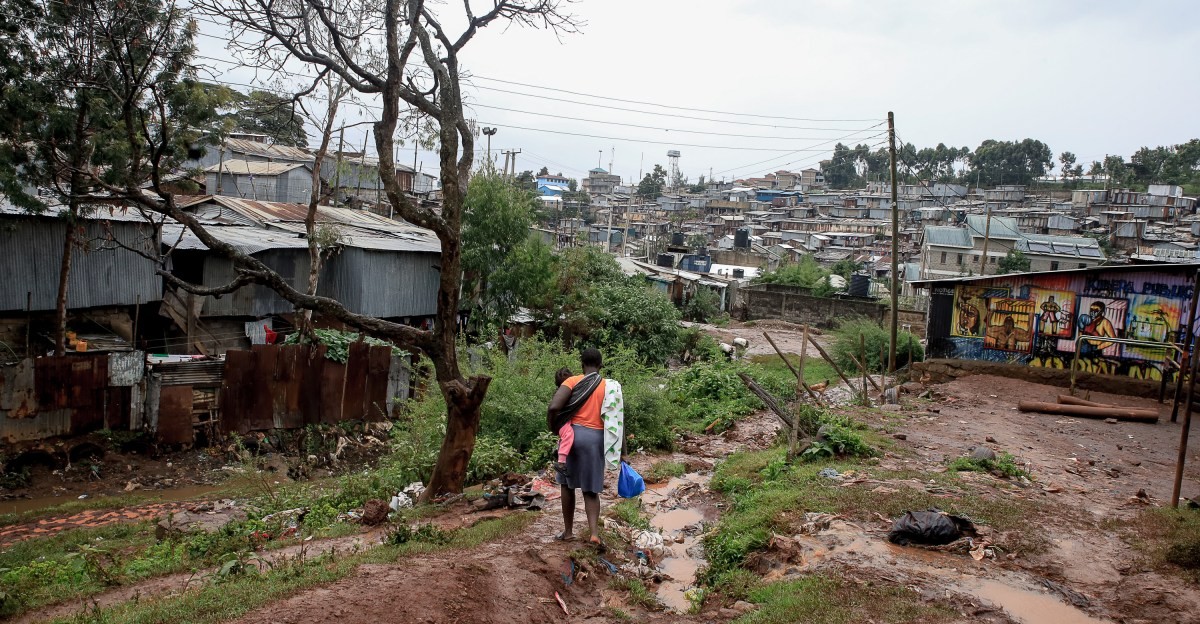
Global extreme poverty could be eradicated for just $318 billion per year – less than 0.3% of global GDP. New research utilizing advanced AI analysis reveals that direct cash transfers could lift hundreds of millions out of life-threatening poverty, ensuring access to basic necessities like food, shelter, and medicine.
The Affordability Paradox
For decades, the idea of eliminating extreme poverty has been dismissed as too expensive or unrealistic. However, the report challenges this notion, demonstrating that the financial barrier is surprisingly low. In fact, Americans alone spend more than three times this amount annually on holiday shopping, while a single individual like Elon Musk could cover the entire cost for a year with a fraction of their net worth.
The study’s authors suggest that if everyone who consumes alcohol worldwide abstained for just one day per week, the resulting savings would be enough to end extreme poverty. Or, to put it into perspective, the global population could contribute less than the average annual cost of a Netflix subscription to eradicate this crisis.
Why This Estimate Matters
Previous attempts to quantify the cost of ending extreme poverty often relied on theoretical models that calculated the precise amount needed to bring every impoverished person just above the poverty line. While these methods yielded lower figures (around $30 billion per year), they were impractical due to the lack of granular, real-world data.
The new research differs by leveraging existing data from national governments in developing countries, combined with AI-driven analysis. This approach yields a more realistic and actionable estimate: $318 billion annually to reduce extreme poverty (defined as living on less than $2.15 per day) to below 1% of the global population.
The Real Obstacle: Political Will
The most significant barrier isn’t financial; it’s institutional and political. Despite the affordability, wealthy nations increasingly deprioritize effective anti-poverty programs. This hesitation is especially troubling given the recent slowdown in economic growth in sub-Saharan Africa – where much of the remaining extreme poverty is concentrated – and continued population growth in these regions.
The world has already made tremendous progress, reducing extreme poverty from over 40% in 1990 to around 10% today. However, this momentum may stall if resources aren’t directed towards this final, achievable push.
Ending extreme poverty is not prohibitively expensive, but rather a matter of prioritization. The price tag is small, but the consequences of inaction are severe.
The finish line is in sight, and it may be the most affordable global good we can achieve.