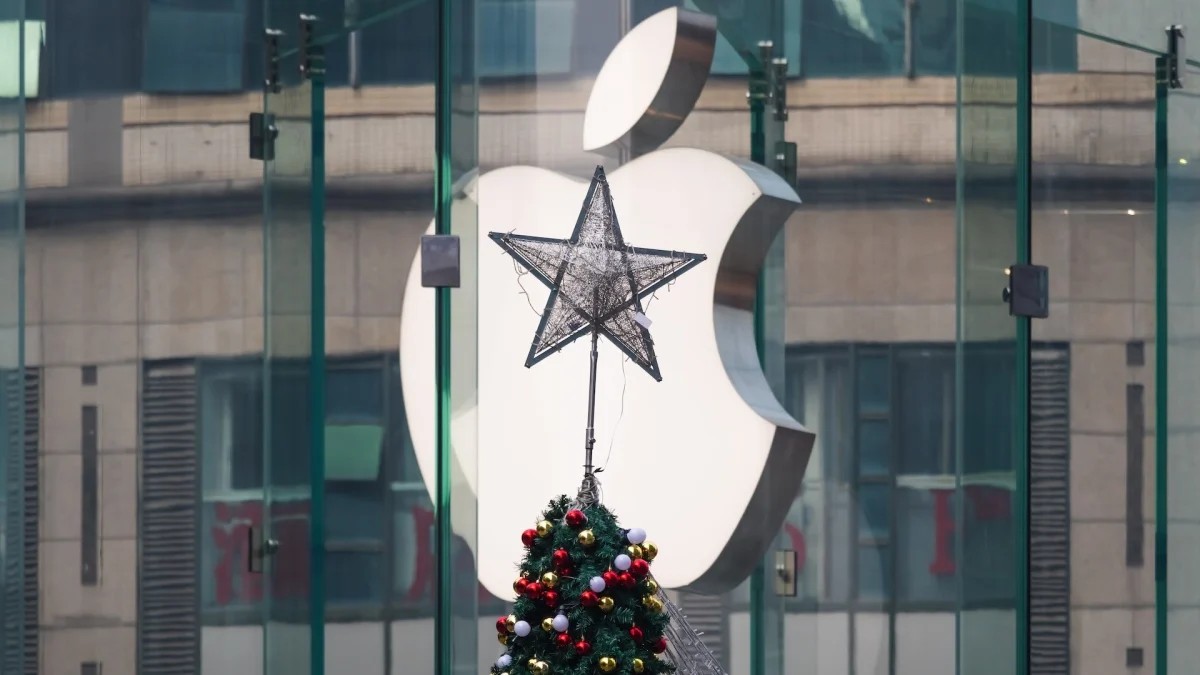
Apple built its brand on innovation and progressive values. The “Think Different” slogan resonated with consumers, positioning the company as a champion of creativity and social change. However, recent actions reveal a stark contradiction: when profits clash with ethics, Apple prioritizes revenue.
The Disappearance of LGBTQ+ Apps in China
In 2014, Tim Cook publicly came out as gay, and Apple marketed itself as an inclusive brand. Yet, the company quietly removed two prominent gay dating apps, Blued and Finka, from its Chinese app store at the request of Beijing authorities. This decision lacked any public explanation or defense of queer communities, demonstrating a willingness to comply with censorship for market access.
This isn’t an isolated case. Apple has repeatedly demonstrated a pattern of backing down from ethical stances when faced with financial or political pressure.
The CSAM Controversy and Privacy Concerns
In 2021, Apple admitted to hosting verified child sexual abuse material (CSAM) on iCloud. Despite developing a privacy-preserving detection system vetted by independent experts, the company paused its rollout after backlash from privacy advocates.
Apple’s hesitation stems from its reliance on subscription revenue from iCloud, generating nearly $100 billion annually with high margins. While other cloud platforms like Google implement proactive CSAM detection, Apple has refused to adopt similar measures, enabling the monetization of abuse imagery. This has led to lawsuits from survivors who accuse Apple of negligence.
The Erosion of “Think Different”
Apple’s willingness to compromise on ethical principles is not accidental. The company will prioritize LGBTQ+ visibility when it aligns with consumer trends but will remain silent when pressured by authoritarian governments. Similarly, it hesitates to tackle CSAM due to the risks of backlash and potential revenue loss.
Apple no longer champions progressive values unless they are profitable. Instead, it prioritizes power and financial gain over the well-being of its users and marginalized communities.
The Path Forward: Accountability and Regulation
Apple has the resources and expertise to lead on ethical issues, but it requires external pressure. Regulators, investors, and consumers must hold the company accountable for enabling harm while profiting from it. Tech companies should not be allowed to hide behind branding campaigns while failing to protect vulnerable communities. Ethics cannot be optional in the digital age.
Apple’s shift underscores a disturbing trend: corporate ethics are often secondary to financial interests. Until systemic change is demanded, Apple and other tech giants will continue to choose profit over people.