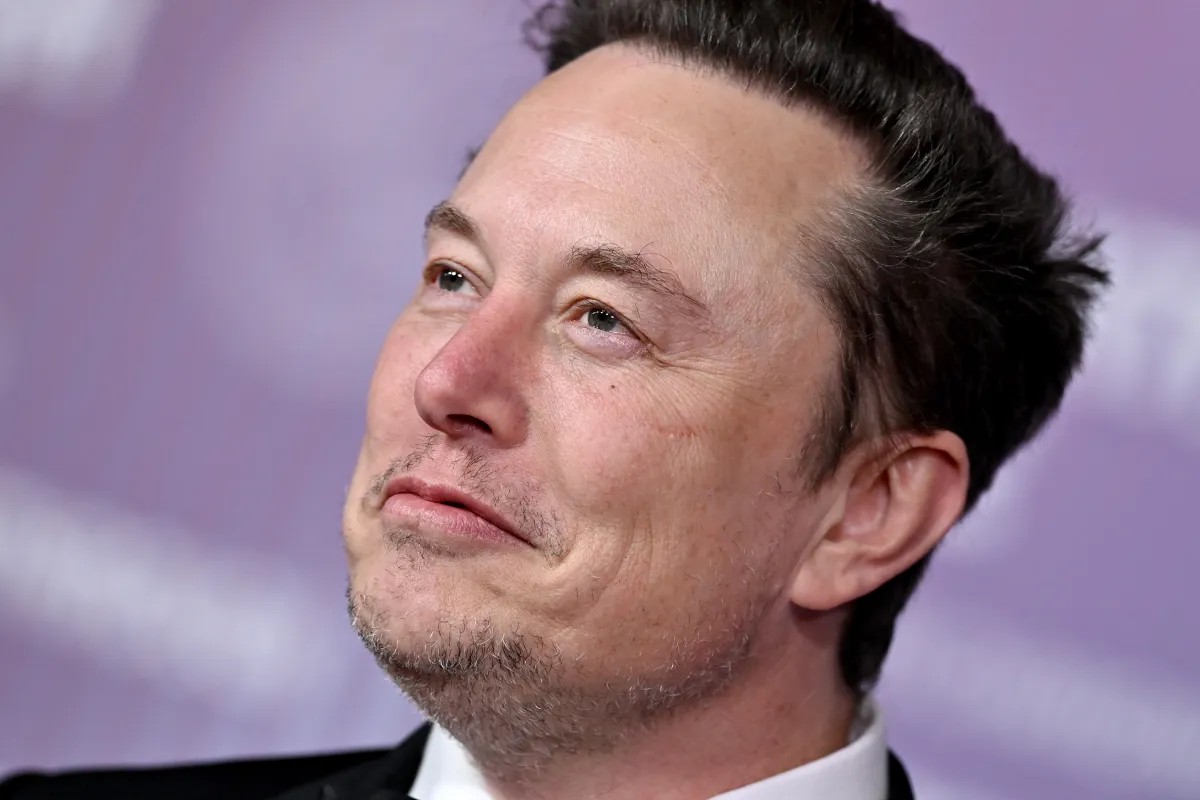
Elon Musk is pursuing damages of $79 billion to $134 billion from OpenAI and Microsoft, alleging the AI company abandoned its original nonprofit structure. This claim, outlined by financial expert C. Paul Wazzan, centers on Musk’s early financial and technical contributions to the startup.
The Core of the Dispute
Musk co-founded OpenAI in 2015 with a $38 million seed investment. The lawsuit argues that OpenAI’s shift toward profit-driven operations constitutes a breach of its initial mission, entitling Musk to a substantial share of its current $500 billion valuation. Wazzan’s analysis suggests OpenAI owes Musk between $65.5 billion and $109.4 billion, while Microsoft, which holds a 27% stake, owes $13.3 billion to $25.1 billion.
Why This Matters
The lawsuit isn’t merely about financial gain; it highlights the tensions between early visionaries and the commercial realities of AI development. OpenAI, initially conceived as a safety-focused nonprofit, has become a major player in the competitive AI landscape. Musk’s legal action underscores his belief that this transition violated his initial investment and contributions.
The Scale of Musk’s Wealth
Musk’s personal wealth, estimated at $700 billion, dwarfs that of other tech billionaires. His recent approval of a $1 trillion Tesla pay package further emphasizes his financial dominance. The lawsuit’s scale – potentially yielding a 3,500-fold return on his original investment – underscores that this legal battle is about more than just money; it’s about control, principle, and the future of AI development.
Musk’s pursuit of massive damages serves as a stark reminder that even the most revolutionary technologies are subject to the same financial and legal disputes as any other business venture. The outcome will likely set precedents for how early investors in AI companies are treated as those companies scale and commercialize.