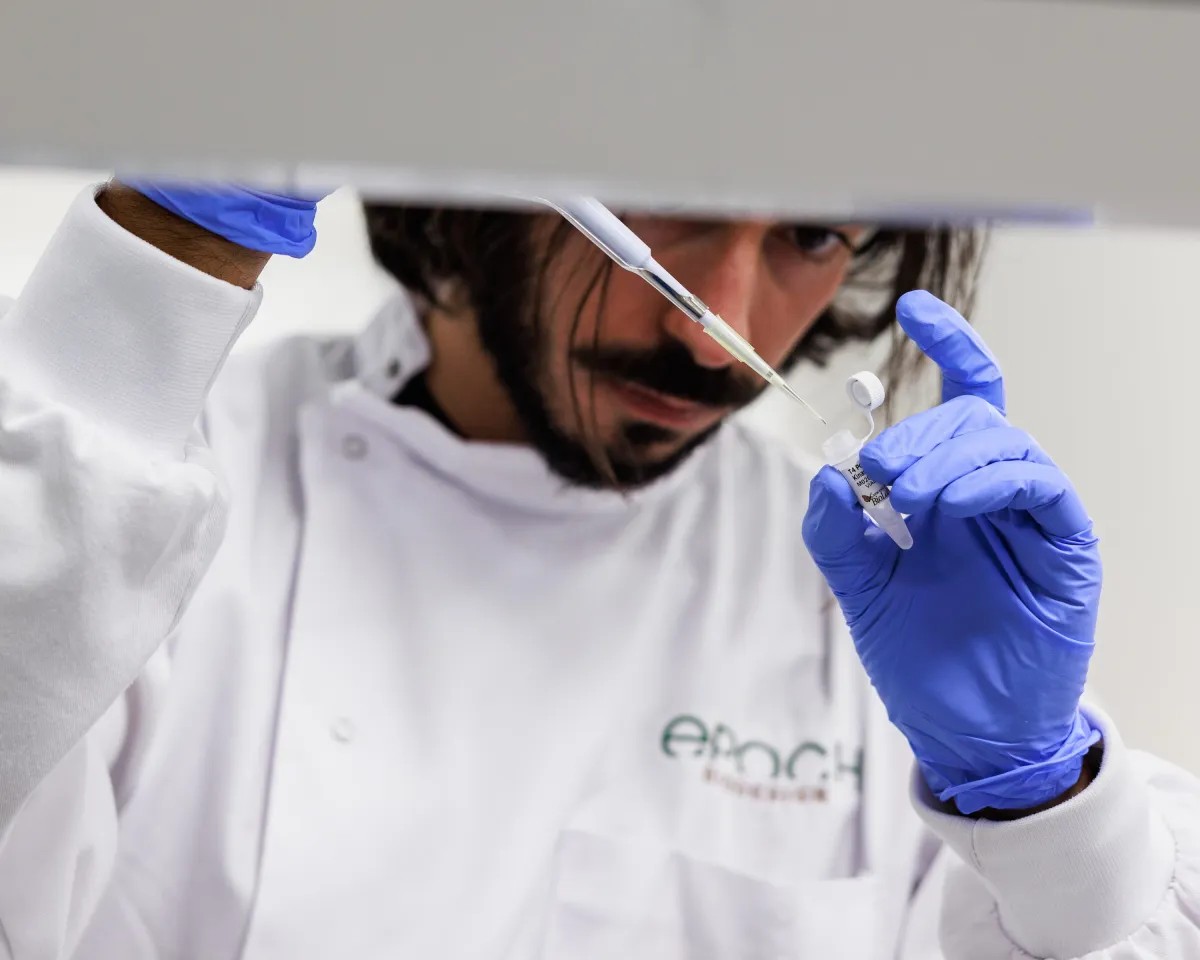
Lululemon, the athletic apparel giant, has backed Epoch Biodesign, a company pioneering a new approach to plastic recycling using enzymes to break down waste fabrics into reusable raw materials. This move signals a growing shift toward sustainable alternatives as the fossil fuel industry relies heavily on plastics for future profits.
The Problem with Plastic Recycling
Traditional plastic recycling struggles with efficiency and often relies on downcycling — converting waste into lower-quality products. Epoch Biodesign bypasses these limitations by using a cascade of enzymes to deconstruct plastics into their basic building blocks, known as monomers. This allows for the creation of virgin-quality plastic from waste, rather than degrading the material over time.
How Epoch Biodesign Works
Instead of using microbes (which can be unreliable), Epoch utilizes industrial-scale enzyme production to process waste nylon 6,6 — a durable synthetic fiber found in clothing, airbags, and ropes. The process recovers over 90% of the desired monomers, with dyes being the only byproduct. This feedstock approach offers a significant advantage:
“For us, a bale of textile is the equivalent of a barrel of oil,” says Epoch CEO Jacob Nathan, emphasizing that waste fabric, not petroleum, is the starting material.
This independence from oil prices is crucial, as raw material costs for nylon 6,6 have spiked by up to 150% recently. Epoch’s method avoids this volatility by starting with waste.
Lululemon’s Stake and Future Plans
Lululemon participated in a recent $12 million funding round alongside other investors. The funds will support a demonstration facility near Imperial College London, with plans for a commercial plant by 2028 capable of producing 20,000 metric tons of monomer annually.
Epoch Biodesign’s technology is adaptable to other plastics as well, though nylon 6,6 is the initial focus due to its widespread use and strong performance characteristics. The company’s long-term vision includes scaling this enzymatic recycling process across a wider range of materials.
This investment highlights a growing trend: brands are seeking alternatives to fossil fuel-dependent plastic production as sustainability concerns intensify. Epoch Biodesign’s approach offers a viable path toward decoupling material production from volatile oil markets.