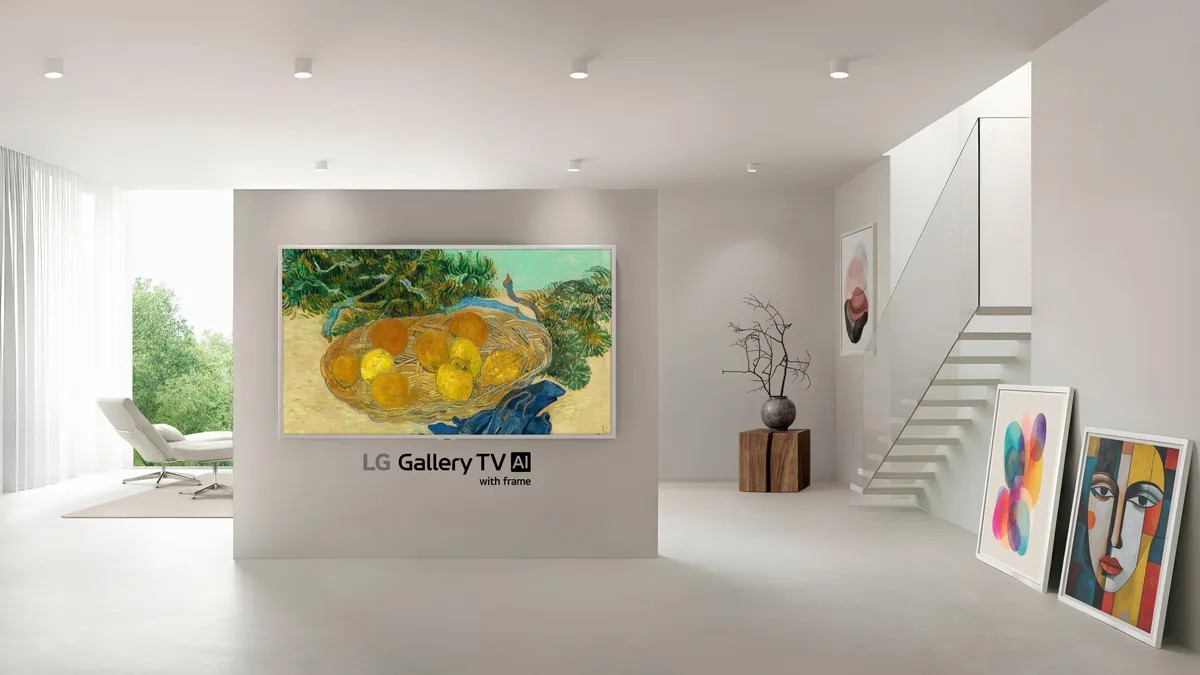
LG has officially entered the competitive market for TVs designed to double as digital art displays, introducing its Gallery TV in 55- and 65-inch models. This move directly challenges Samsung’s well-established “Frame” TV, which has dominated the premium lifestyle TV segment for years.
Key Features and Functionality
The Gallery TV is a MiniLED-backlit 4K television distinguished by its magnetic, swappable frames. This allows users to customize the TV’s appearance to blend seamlessly with home décor when not in use. The device operates with the Gallery Plus app, offering access to over 4,500 pre-loaded artworks, generative AI options for creating custom pieces, and the ability to upload personal images.
LG claims the Gallery Mode, powered by an integrated light sensor, optimizes color and brightness to mimic the texture of original masterpieces. This suggests a focus on high-fidelity reproduction of artwork rather than merely displaying digital images. The Gallery TV will be part of LG’s broader Art TV lineup, set to be fully showcased at CES 2026.
Late Entry into a Growing Market
Despite its technical advancements, LG’s launch arrives late to a market already populated by several competitors. TCL, Hisense, Skyworth, and notably Samsung have all released “frame-style” TVs for years. This suggests LG is playing catch-up, and its success will depend on whether it can differentiate its product through superior image quality, frame options, or software features.
The timing raises questions about whether LG’s Gallery TV is a genuine attempt to lead the market or a reactive move to avoid being left behind.
Pricing and Availability
LG has not yet announced pricing or availability for the Gallery TV, making it difficult to assess its competitiveness. The market for premium lifestyle TVs is price-sensitive, and LG will need to position its product strategically to attract buyers already accustomed to Samsung’s offerings.
LG’s entry into the frame-style TV space marks a significant shift in the company’s strategy, signaling an increased focus on design and integration with home décor. Whether this move will disrupt the existing market remains to be seen, but the competition will undoubtedly benefit consumers through innovation and competitive pricing.