The Trump administration’s aggressive foreign policy maneuvers, from Venezuela to Greenland, are forcing Congress to confront its role in checking presidential power. While past administrations have also stretched constitutional boundaries, Trump’s willingness to openly discuss military interventions and even the purchase of sovereign nations is escalating tensions on Capitol Hill.
The Venezuela Precedent and Congressional Response
The situation in Venezuela, where the U.S. openly supported regime change, set a worrying precedent. Though the administration proceeded without formal congressional approval, a recent war powers resolution saw five Republicans break ranks with the White House, signaling growing unease within the GOP. The administration responded swiftly, publicly shaming the dissenting senators.
Behind the scenes, figures like Secretary Rubio played a key role in mitigating fallout, assuring wavering Republicans that no U.S. troops would be deployed. This episode highlighted how Trump pressures allies into compliance—and how some are starting to push back.
Greenland: A New Flashpoint
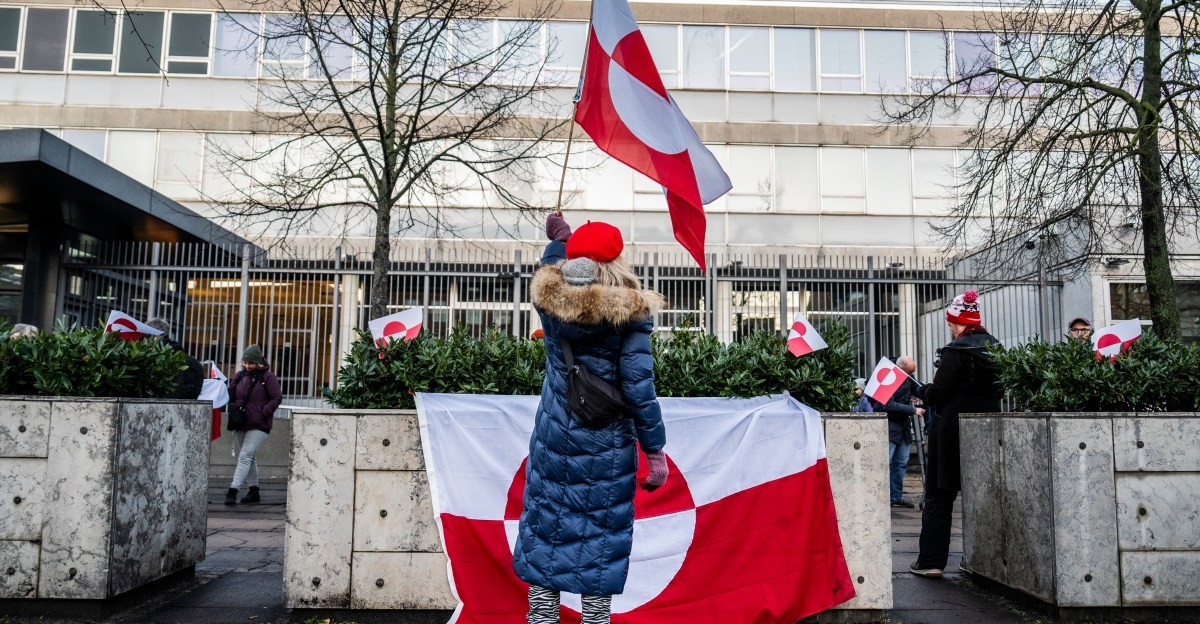
The President’s obsession with Greenland, a NATO ally, has sparked even wider concern. Unlike Venezuela, where intervention was at least framed within a regional context, the idea of acquiring Greenland through force or purchase is raising alarm among both Democrats and Republicans.
Leading GOP figures, including the Speaker of the House and the Senate Armed Services Committee chair, have publicly opposed military action or a forced purchase. Privately, many Republicans are hoping Trump will drop the idea altogether, fearing further damage to U.S. credibility.
Erosion of Congressional Authority
The current crisis isn’t new. Congress has been ceding war powers incrementally for decades. From Obama’s interventions in Libya and Pakistan to Trump’s aggressive moves, the legislative branch has increasingly deferred to executive authority.
The real question now isn’t whether Congress can act, but what will finally force it to draw a firm line. The Venezuela and Greenland episodes are merely the latest symptoms of a deeper institutional problem: the ongoing erosion of congressional oversight in foreign affairs.
The issue is no longer partisan; it’s about protecting the institution of Congress and reasserting its constitutional role in determining war and peace.
If Republicans in Congress don’t act decisively, they risk being seen as complicit in a dangerous expansion of presidential power that could have lasting consequences for U.S. foreign policy.