
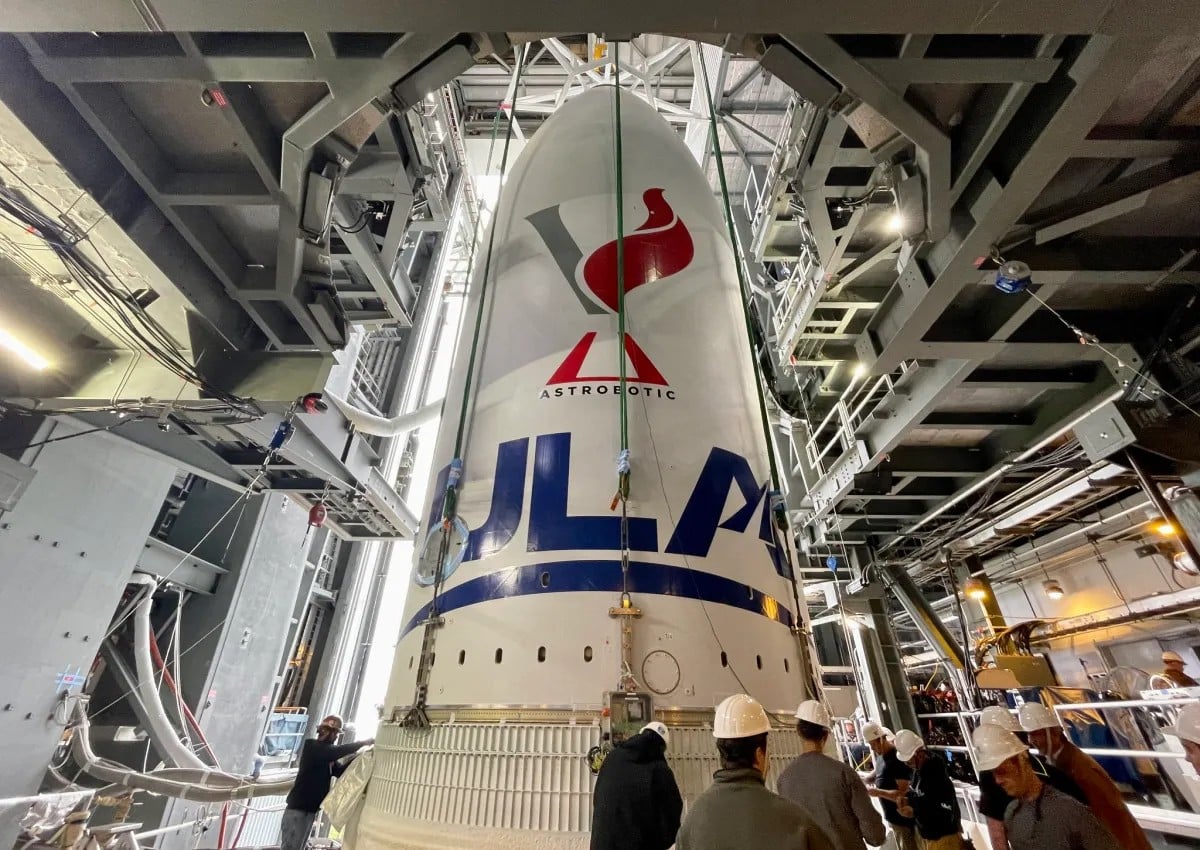
The chief executive of United Launch Alliance (ULA), Tory Bruno, has resigned after leading the aerospace company for twelve years. The move comes as ULA struggles to maintain its market share against the rapid growth of SpaceX and the emergence of Blue Origin as a serious competitor.
The Changing Landscape of Space Launch
For two decades, ULA – a joint venture between Boeing and Lockheed Martin – was a primary launch provider for NASA and the Department of Defense. However, SpaceX has dramatically reshaped the industry through aggressive pricing and increased launch frequency. Jeff Bezos’ Blue Origin is also gaining traction, demonstrating capability with its New Glenn rocket. This shift has put traditional players like ULA under immense pressure.
Vulcan: A Delayed Response to SpaceX
One of Bruno’s key projects was the development of the Vulcan rocket, designed to compete with SpaceX and reduce U.S. dependence on Russian launch services. Vulcan incorporated existing ULA hardware (Atlas and Delta) to control costs but relied on Blue Origin for engines, leading to significant delays.
The project took ten years from inception to its first successful launch in 2024 – a timeframe during which SpaceX established itself as the world’s leading launch provider.
What Happens Next?
Despite the challenges, ULA has secured contracts with Amazon (for Project Kuiper) and space startup Astrobotic. The company is also exploring reusability options to improve competitiveness. ULA has appointed its chief operating officer, John Elbon, as interim CEO while it searches for a permanent replacement.
The resignation of ULA’s CEO underscores the disruptive forces reshaping the space industry. SpaceX’s dominance is forcing legacy players to adapt or risk being left behind. The future of ULA will depend on its ability to innovate quickly and secure a sustainable role in a market increasingly defined by private sector competition.