Flightradar24 has become a go-to platform for millions who want to monitor air traffic in real time. From everyday travelers to aviation professionals, the service provides live data on aircraft movements, including altitude, speed, route, and aircraft type. The platform’s popularity surges during times of crisis or disruption, offering a unique window into unfolding events.
The Network Behind the App
The core of Flightradar24 lies in a global network of over 58,000 receivers, many maintained by volunteers, that capture ADS-B signals broadcast by commercial aircraft. These signals provide continuous data on aircraft positions. Satellite data fills in coverage gaps over oceans and remote regions, ensuring a comprehensive global picture.
The system’s origins are humble: Swedish founders Mikael Robertsson and Olov Lindberg initially ran a flight price comparison site. After purchasing two receivers and setting up an antenna in Stockholm, they discovered their flight tracker was far more popular than their original business.
Why Flightradar24 Matters
The platform’s widespread use reflects a growing need for situational awareness in aviation. According to commercial pilot Chris Lomas, “I don’t think I know anyone in the operational side of aviation who doesn’t use it… It’s so intrinsic to what we do.” Pilots use the app to anticipate delays, track runway changes, and assess real-time conditions.
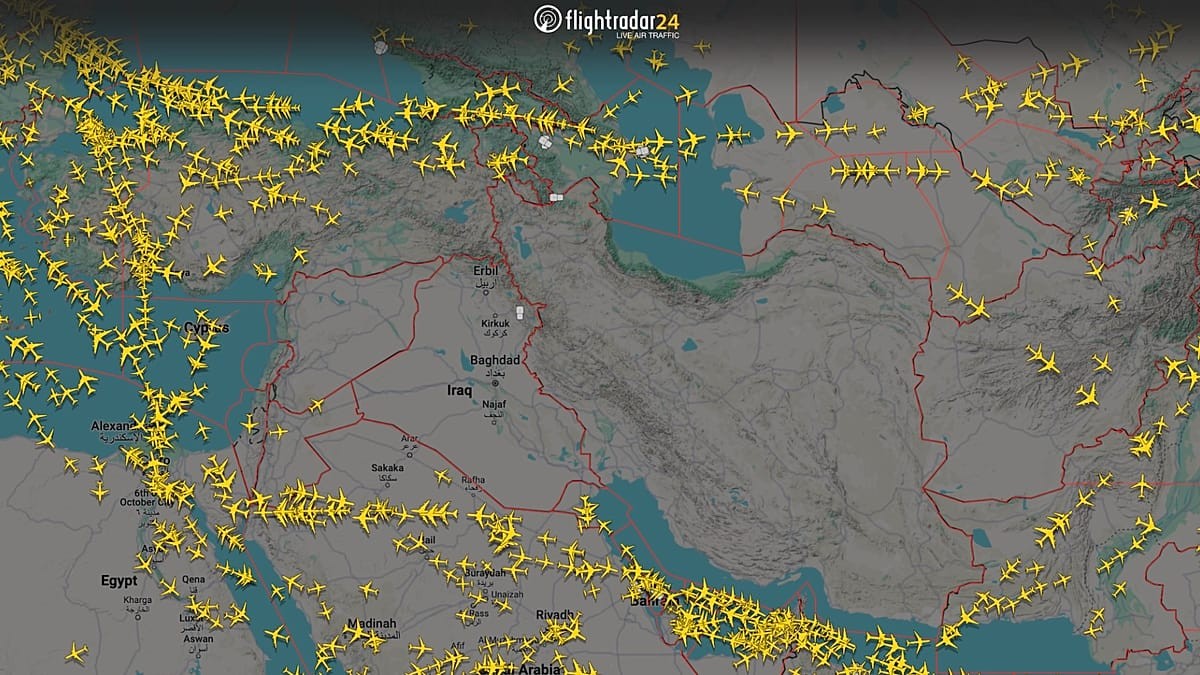
Flightradar24 has also proven crucial during geopolitical crises. Traffic to the platform quadrupled during recent conflicts in the Middle East, with approximately 20 million visitors in a single day compared to the usual 5 million. The conflicts forced airlines to reroute or cancel flights, reshaping major aviation corridors. Robertsson notes that the main route between Europe and Asia is becoming increasingly narrow as flights avoid conflict zones.
Limitations and Future Challenges
Despite its effectiveness, Flightradar24 isn’t without limitations. Signal jamming or spoofing in conflict areas can lead to inaccurate tracking data, causing aircraft to appear to zigzag on the map. Coverage gaps persist in remote regions, requiring ongoing efforts to expand the network. The company addresses these issues by purchasing satellite data and encouraging volunteers to host receivers, including in extreme locations like Antarctica.
Flightradar24 has also played a role in understanding aviation tragedies. In 2014, tracking data helped redirect the search for MH370 from China to the sea between Malaysia and Vietnam. The following year, altitude data from the Germanwings crash revealed the aircraft’s chilling descent into the French Alps.
Flightradar24 has evolved from a curiosity project into an indispensable tool for professionals, journalists, and the public alike, revolutionizing how people follow aircraft movements worldwide.