The conflict between the United States and Iran has entered a volatile new phase, marked by shifting American strategies and a deepening global economic crisis. Five weeks into a military campaign launched by the Trump administration and Israel, the objective of a decisive victory remains elusive, replaced instead by a high-stakes standoff over global energy security.
The Economic Weapon: The Strait of Hormuz
While the US and Israel maintain military dominance on the battlefield, Iran has successfully shifted the conflict from a purely military engagement to an economic one. By blockading the Strait of Hormuz —a critical maritime chokepoint for the world’s oil supply—Tehran has exerted significant pressure on the global community.
The consequences of this blockade are already being felt worldwide:
– Energy Spikes: Global oil prices have surged, with US gasoline averages climbing above $4 per gallon.
– Supply Chain Disruptions: The cost of essential goods, including fertilizer, has risen sharply.
– Social Instability: Dozens of countries are facing energy rationing and enforced curfews as a direct result of the supply squeeze.
This tactic highlights a growing trend in modern warfare: asymmetric conflict. By using low-cost drones and geographic leverage, Iran is forcing the US and Israel to expend vastly more expensive interceptor missiles, effectively “draining” the resources of their adversaries while hitting them where it hurts most—the global economy.
A Shifting US Strategy
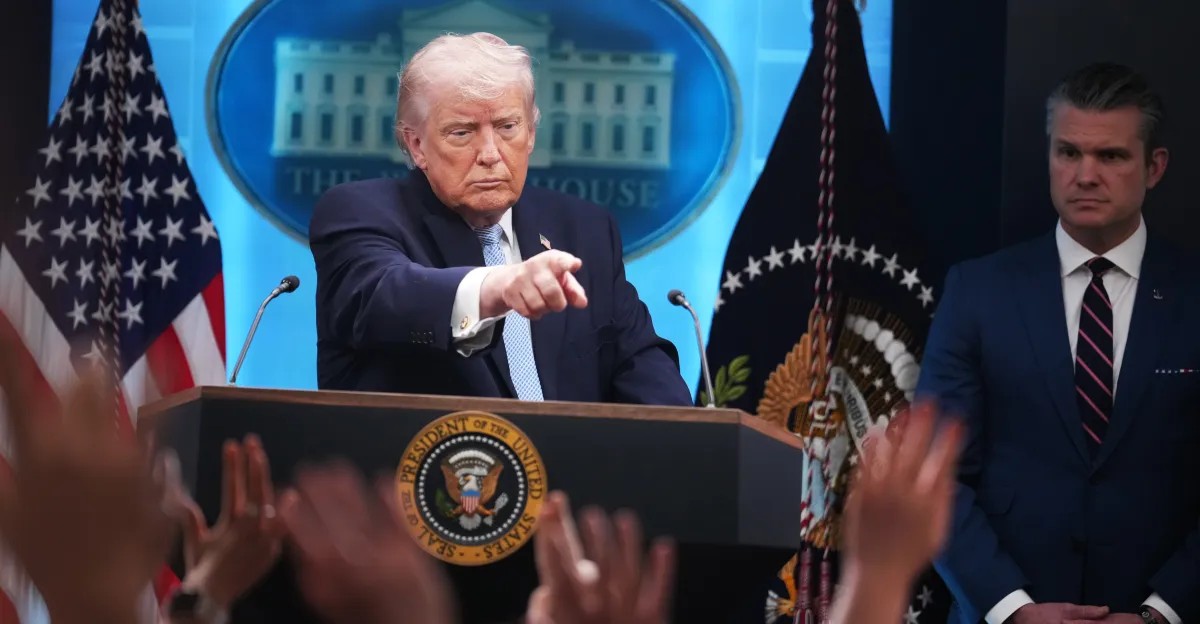
President Trump’s approach to the crisis has been characterized by inconsistency. The administration’s stated goals for the initial airstrikes on February 28 have fluctuated between eliminating “imminent threats,” preventing nuclear proliferation, and forcing regime change. This lack of a singular, cohesive objective has led critics to suggest the strategy is being improvised in real-time.
The President’s rhetoric regarding the Strait of Hormuz has undergone several dramatic shifts:
1. Denial: Initially claiming the closure was not a significant problem.
2. Deflection: Suggesting that other nations should take responsibility for reopening the waterway.
3. Aggressive Threats: Most recently, using highly aggressive language on Truth Social, threatening to strike Iranian power plants and bridges if the blockade is not lifted immediately.
The Humanitarian and Legal Stakes
The potential for escalation carries immense humanitarian risks. To date, US and Israeli strikes have reportedly killed 1,500 civilians and damaged critical infrastructure, including schools and residential areas.
The latest threats to target power plants and bridges raise serious questions regarding international law. Under international legal frameworks, military strikes on civilian infrastructure are generally prohibited unless they provide a direct, essential contribution to military operations. A large-scale strike on Iran’s energy grid could potentially:
– Disrupt electricity and clean water for millions.
– Cripple healthcare systems and emergency services.
– Result in widespread civilian suffering, often described by observers as a regression to “Stone Age” conditions.
The Deadlock
Despite the escalating tension, a diplomatic resolution remains out of reach. Both the US and Iran have rejected ceasefire proposals that would have paused hostilities for 45 days to negotiate the reopening of the Strait.
The current situation is defined by a cycle of threats and delays. President Trump has repeatedly set deadlines for Iranian compliance—extending them multiple times from March 21 to the current April 7 deadline—leaving the international community in a state of high anxiety.
Without a negotiated “off-ramp” or a clear diplomatic path, the conflict remains trapped in a cycle of military escalation and economic brinkmanship, with the world watching a countdown that lacks a predictable end.
Conclusion
The conflict has moved beyond a regional military dispute into a global economic and humanitarian crisis. As the US struggles to find a consistent strategy to reopen the Strait of Hormuz, the risk of a massive escalation that targets civilian infrastructure remains a looming and dangerous possibility.