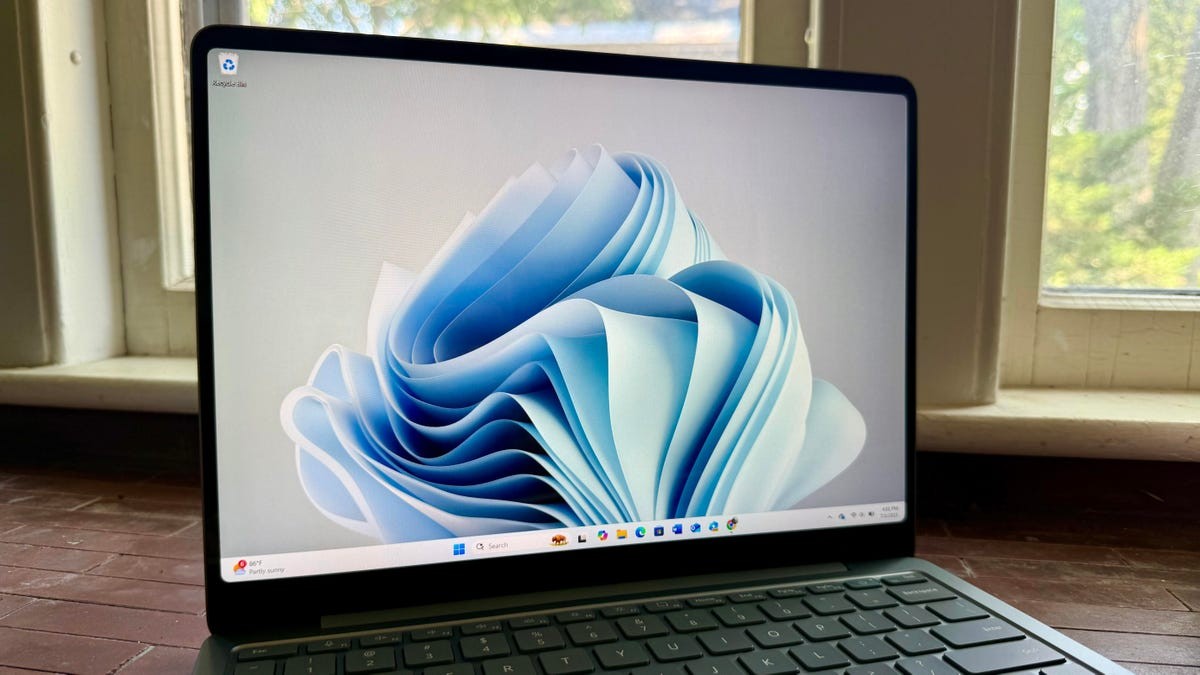
Microsoft has begun adjusting the pricing of its Surface lineup, citing a sharp rise in the cost of memory and other essential components. This move, reflected on the Microsoft Store, signals a broader trend of rising costs across the tech industry as the global demand for hardware shifts toward artificial intelligence.
The Impact on Surface Hardware
The price hikes vary across the product range, but the impact is most significant on flagship and mid-range models. In some cases, the increase reaches as much as $500.
This adjustment creates a notable shift in market positioning. For instance, several mid-range Surface devices are now priced higher than the flagship models were at their original launch two years ago. Current starting prices on the Microsoft Store include:
- Surface Laptop (15-inch): $1,600
- Surface Laptop (13.8-inch): $1,500
- Surface Laptop (13-inch): $1,150
- Surface Pro (13-inch): $1,500
- Surface Pro (12-inch): $1,050
These new price points place Microsoft’s hardware in direct competition with premium offerings from Apple, Acer, and HP, potentially narrowing the value proposition for consumers looking for mid-tier productivity tools.
The “AI Effect”: Why Memory is Scarce
The primary driver behind these increases is a systemic shortage of RAM (Random Access Memory) chips. While component shortages have been a recurring theme in recent years, the current crisis is being fueled by a specific, massive shift in demand: the explosion of AI data centers.
The infrastructure required to power modern Artificial Intelligence requires immense amounts of high-performance memory. This has created a “tug-of-war” for resources between consumer electronics and enterprise AI development. The scale of this shift is best illustrated by the actions of major suppliers:
- Micron, a leading memory manufacturer, has pivoted its focus toward AI data centers, even going as far as de-emphasizing its consumer-facing Crucial brand to prioritize high-capacity AI production.
- Samsung has already implemented price increases of up to $280 on various mobile devices and tablets.
- Apple has faced inventory issues, with several high-capacity RAM and storage configurations listed as “sold out” due to supply constraints.
A New Pricing Reality
This is not merely a temporary fluctuation. Because the growth of AI infrastructure is expected to continue at a rapid pace, the demand for RAM is likely to remain at historic highs. As data centers continue to consume the lion’s share of available silicon, the cost of components for laptops, tablets, and smartphones is expected to remain elevated.
The surge in AI development is fundamentally reshaping the hardware supply chain, prioritizing massive data center requirements over the consumer electronics market.
In summary, Microsoft’s price hikes are a symptom of a larger industry pivot where the massive memory requirements of AI are driving up costs and reducing availability for everyday consumer devices.