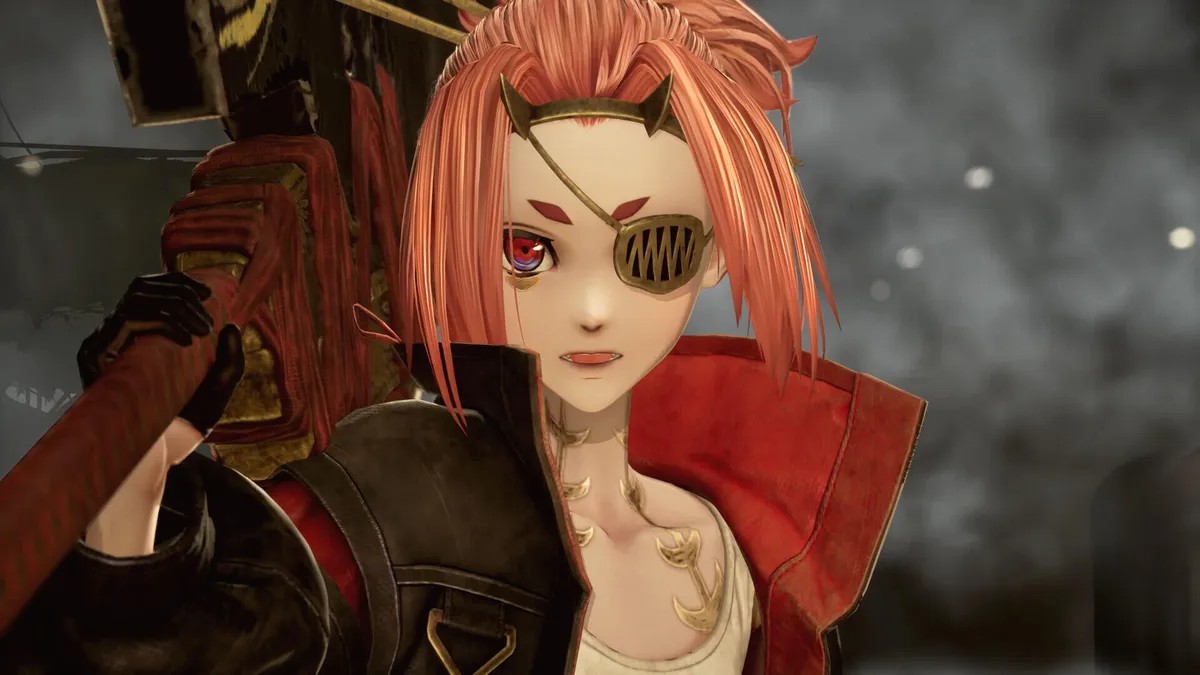
The challenging action-RPG genre, popularized by Dark Souls, has become increasingly crowded. Code Vein 2, the sequel to the 2019 anime-styled Soulslike, attempts to carve out its niche, but ultimately falls short of standing out in a competitive market. While the game builds upon the original’s foundation, it struggles to offer a compelling experience beyond its distinct visual style.
The Premise: Time Travel and Moral Ambiguity
Code Vein 2 doesn’t directly follow its predecessor’s narrative, instead introducing a new protagonist as a Revenant Hunter tasked with saving the world through time travel. This involves befriending powerful heroes in the past only to hunt them down in the present—a dark twist that adds narrative intrigue but doesn’t fully deliver on its potential. The core story feels underdeveloped, failing to fully engage either dedicated Soulslike fans or newcomers to the genre.
Gameplay: Familiar Mechanics with Frustrating Flaws
The game adheres to the standard Soulslike formula: strategic combat utilizing a variety of weapons (swords, hammers, halberds) and Forma items (akin to spells) powered by an Ichor mana pool. Powerful finishing moves, called Jails, add a brutal edge to encounters. However, Code Vein 2 ‘s combat suffers from unclear enemy telegraphing. Unlike the deliberate animations of Dark Souls, some attacks lack visual cues, making dodging inconsistent and frustrating.
Boss battles exacerbate this issue. Many encounters feature unavoidable damage due to poorly telegraphed attacks, forcing players to rely on blocking rather than skillful dodging. Even some weaker versions of bosses reappear later in the game, diminishing the sense of challenge and uniqueness.
Unique System: Partner Dynamics and Assimilation
Code Vein 2 introduces the Partner System, where players forge alliances with NPCs throughout the game. These allies provide support in battle, acting independently and even reviving the player at the cost of their own temporary removal. Players can also Assimilate their partners, sacrificing support for a temporary stat boost. This system adds a tactical layer, but the complexity of the game’s stat system overall feels unnecessarily convoluted. The sheer volume of explainer screens in the menu is overwhelming, making character progression more tedious than rewarding.
A World Lacking Depth
The game’s post-apocalyptic setting, while visually distinct thanks to its anime aesthetic, feels shallow. The story centers around preventing the Resurgence, a cataclysmic event, by eliminating time-traveling heroes. However, the world itself lacks compelling environmental storytelling. Areas feel empty beyond combat encounters and loot, failing to provide the rich, interconnected lore found in titles like Dark Souls. The narrative impact of character interactions feels minimal; emotional connections with allies are undermined when those same characters are ultimately defeated without meaningful consequences.
Presentation and Verdict
Code Vein 2 delivers solid graphics and voice acting, but its presentation doesn’t push boundaries. The game improves upon its predecessor in terms of gameplay polish, but remains fundamentally unremarkable within the Soulslike landscape. Fans of the genre will find it passable, while casual players will likely find little incentive to endure its unforgiving difficulty.
The game launches on Friday for PC, PS5, and Xbox Series X|S at a price of $70. Despite its refinements, Code Vein 2 fails to distinguish itself from the crowded field of Soulslike titles, leaving it as a competent but ultimately forgettable entry in the genre.