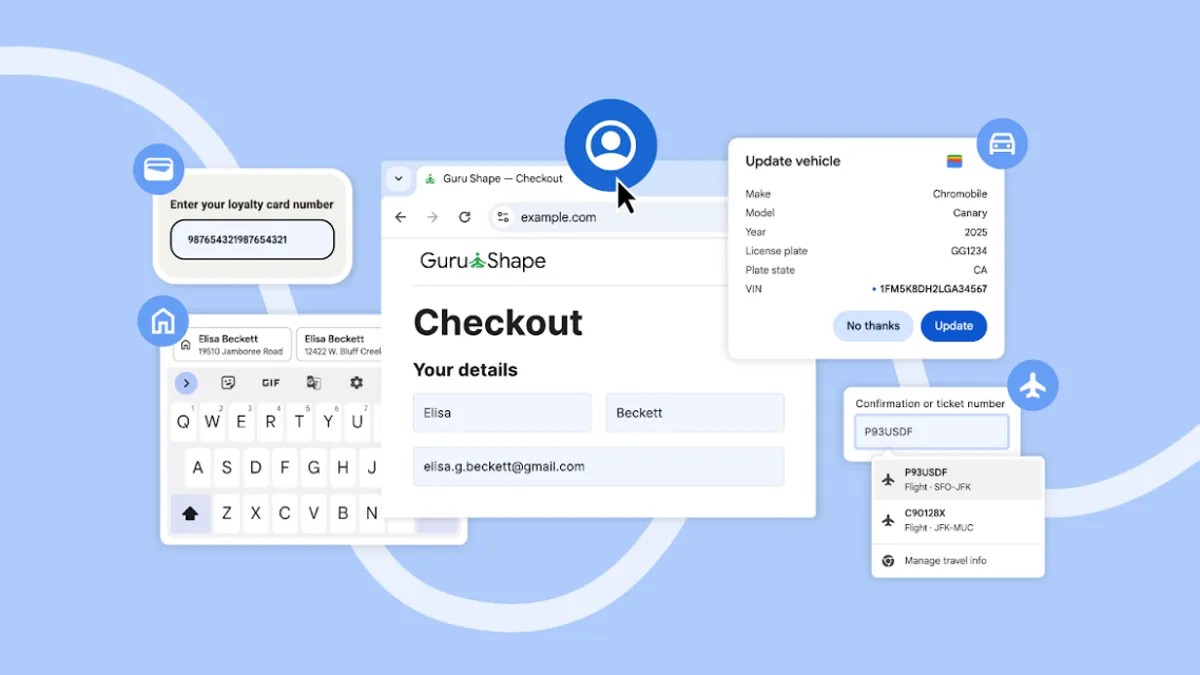
Google Chrome is set to become even more integrated with user data, expanding its autofill capabilities to include loyalty card numbers, travel details, and work addresses. The changes, rolling out Friday across desktop, Android, and iOS, will pull information directly from a user’s Google Account – including linked Google Wallet data.
How It Works
Previously limited to basic details like home addresses and phone numbers, Chrome now proactively offers to fill in more sensitive data when visiting new websites. For example, if you’ve stored a frequent flyer number in Google Wallet, the browser will suggest it on airline booking pages. Similarly, loyalty cards from stores and other businesses will be automatically offered.
To accommodate the increased data, Google is also doubling the size of the autofill suggestion box from one line to two, making it easier to select the correct entry when similar options exist.
Security Considerations
Google asserts that individual websites cannot access this stored information until a user accepts the autofill suggestion. Users retain control over their data through Chrome’s settings (accessible at chrome://settings/?search=autofill ).
Why This Matters
This move further consolidates Google’s control over user data within the Chrome ecosystem. While convenient, the expansion raises questions about privacy and the extent to which personal information is automatically shared with third-party websites. The move also encourages deeper reliance on Google services, making it more difficult for users to switch browsers or avoid Google’s data collection practices.
The convenience of autofill is undeniable, but users should be aware of the increased data sharing that comes with these changes. Understanding and managing Chrome’s autofill settings is more critical than ever.