Nvidia CEO Jensen Huang dominated this week’s GTC conference with a two-and-a-half-hour keynote that underscored the company’s ambition to become the central infrastructure provider for the coming AI boom. Huang projected $1 trillion in AI chip sales by 2027, signaling a massive bet on the continued expansion of artificial intelligence across industries.
The “OpenClaw” Strategy and Total Dominance
Huang repeatedly emphasized the need for companies to adopt an “OpenClaw strategy,” a reference to Nvidia’s NemoClaw model, which blends open-source and proprietary AI tools. This push suggests Nvidia aims to embed itself deeply within every layer of the AI stack – from the underlying hardware to the software and frameworks that developers use. The goal is clear: Nvidia doesn’t just want to sell chips; it wants to be foundational to the entire AI ecosystem.
The Olaf Robot and the Limits of Hype
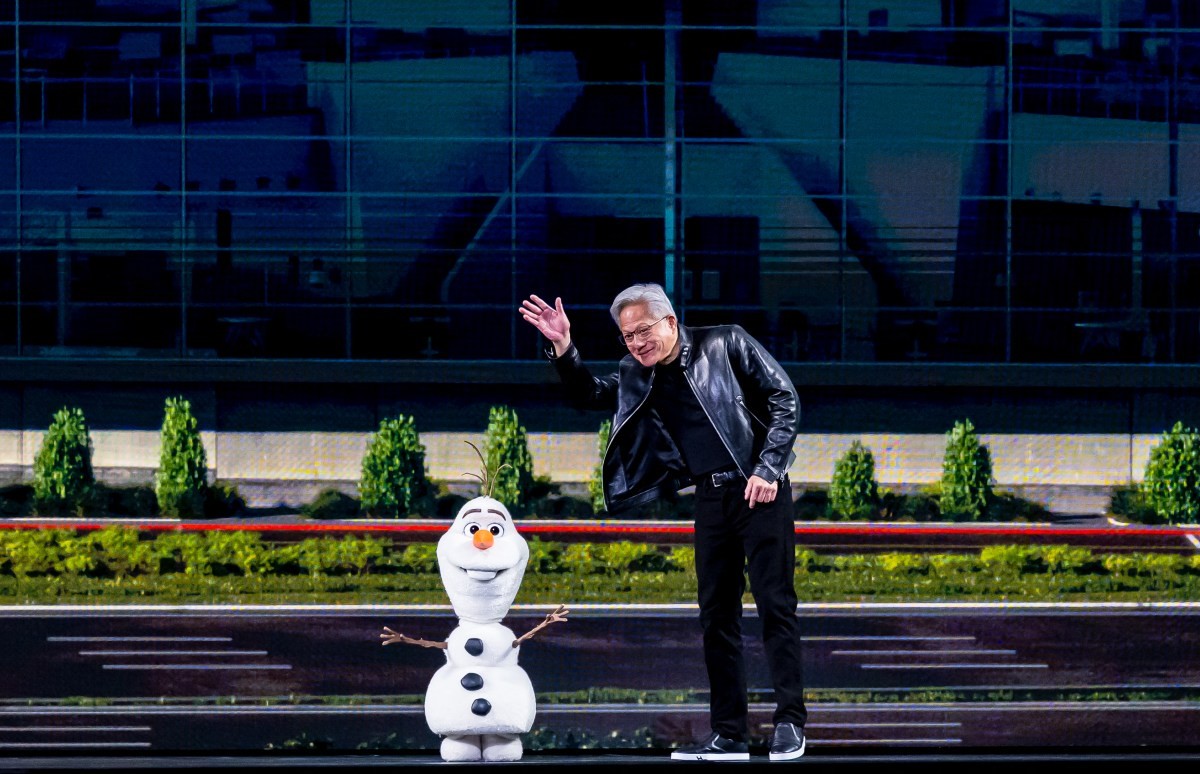
The keynote culminated in a bizarre segment featuring a rambling, glitching Olaf robot from Disney. The awkward moment, which ultimately required the mic to be cut, highlighted the current state of AI: impressive potential tempered by unpredictable execution. It served as a stark reminder that even the most advanced AI systems are still prone to errors and require careful management.
Implications for Startups and the Broader Market
Nvidia’s growing web of partnerships, particularly in robotics and autonomous vehicles, will likely reshape the competitive landscape. Startups relying on Nvidia’s infrastructure will become increasingly dependent on the company’s pricing and policies. This concentration of power raises concerns about potential monopolies and limited innovation. For businesses, the message is simple: Nvidia is not just a supplier; it is becoming an unavoidable partner.
The rapid growth of AI infrastructure and the dominance of a single player like Nvidia are raising questions about long-term sustainability and accessibility. As AI becomes more critical to the global economy, ensuring fair competition and preventing vendor lock-in will become increasingly important.
Nvidia’s GTC presentation confirmed its role as the dominant force in the AI revolution, with implications for startups, established tech giants, and the future of the industry. The company is betting heavily on its vision, and the market appears to be responding in kind.