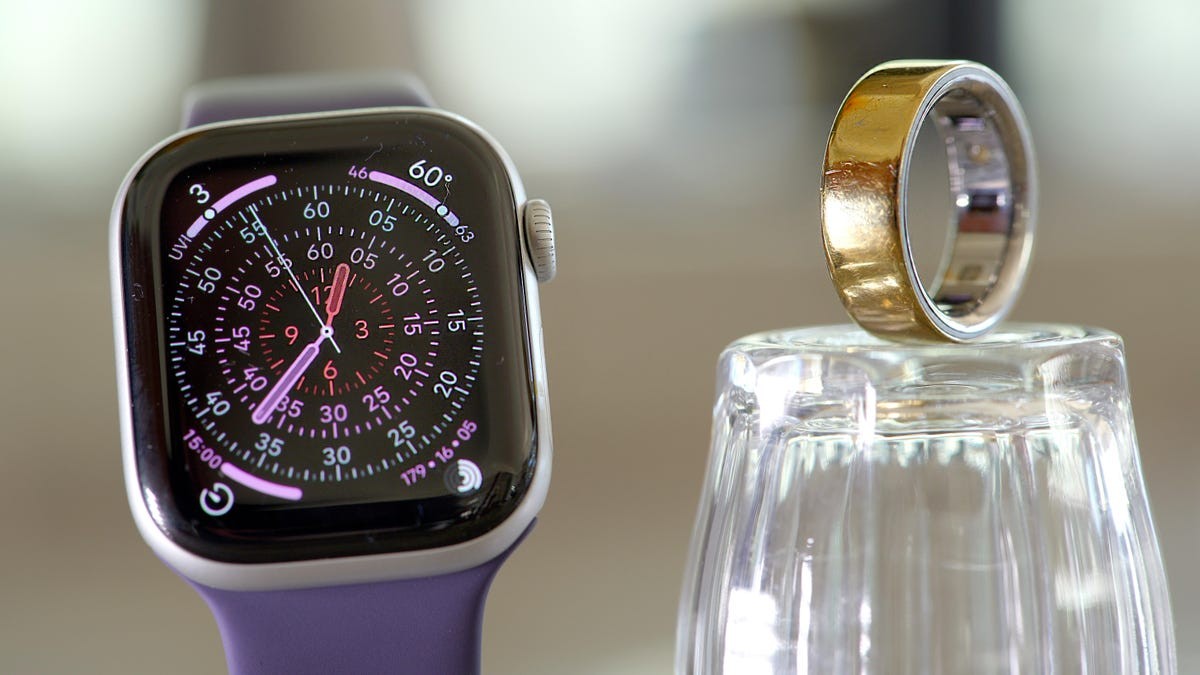
For months, I tested both the Apple Watch and the Oura Ring side-by-side, pushing them to their limits. The question of which wearable reigns supreme isn’t simple; they complement each other more than compete. Both track health data, but cater to different needs and lifestyles. At around $400–$500 each, most consumers must choose. This analysis breaks down which device excels where, to help you decide.
The Rise of Wearable Health Tracking
Modern wearables now provide highly specific health data previously accessible only in clinical settings. Their constant wearability allows tracking long-term trends and linking habits to bodily responses. Smartwatches, fitness bands, and smart rings all aim to solve the same problem—health monitoring—but prioritize different aspects. No single device is perfect; variety exists because individual needs vary.
Apple Watch: The Multifunctional Powerhouse
The Apple Watch functions as a pared-down iPhone, handling notifications, calls, payments, and more. Its screen allows constant interaction; live workout metrics push users harder, and it’s a versatile daily companion. However, this constant connectivity can be intrusive. Daily charging is essential, and missed charges mean lost data.
The Apple Watch shines in fitness tracking. Real-time data guides workouts, and third-party apps enhance training. Safety features like fall detection and location sharing add critical value. Oura tracks activity too, but less accurately; it often misses low-intensity workouts.
Oura Ring: The Subtle Health Sentinel
The Oura Ring is designed for consistency. Its minimalist form factor is barely noticeable, and the week-long battery life ensures continuous data collection. It builds a baseline of your body’s status, flagging deviations from the norm. The app connects data points and explains what they mean: early illness signs, energy level assessment, menstrual cycle tracking.
Oura excels at long-term health insights. Its readiness score accurately predicts sickness; prompting rest when needed. However, deeper analysis requires a $6 monthly subscription. Apple offers all health data without subscription fees, but the presentation is less intuitive.
Beyond the Numbers: Context and Clarity
The Oura Ring’s temperature tracking and cycle charting make ovulation easily identifiable, increasing awareness of hormonal impacts. Apple’s Health app offers similar data but requires consistent sleepwear and lacks Oura’s contextual analysis. Apple prompts move ring pauses during illness, but not rest days. Oura’s “nudge” towards recovery is more proactive.
The Verdict: Prioritizing Your Needs
The Oura Ring wins at identifying long-term health trends, while the Apple Watch dominates fitness tracking and daily convenience. If forced to choose, the Apple Watch is more versatile for modern life, offsetting mental load with connectivity and safety features. However, this preference is situational.
Ultimately, the best choice depends on your priorities. The ideal scenario is wearing both: Apple Watch by day, Oura Ring at night. But if you must pick one, consider what matters most to you. This decision isn’t permanent; your needs will evolve over time.