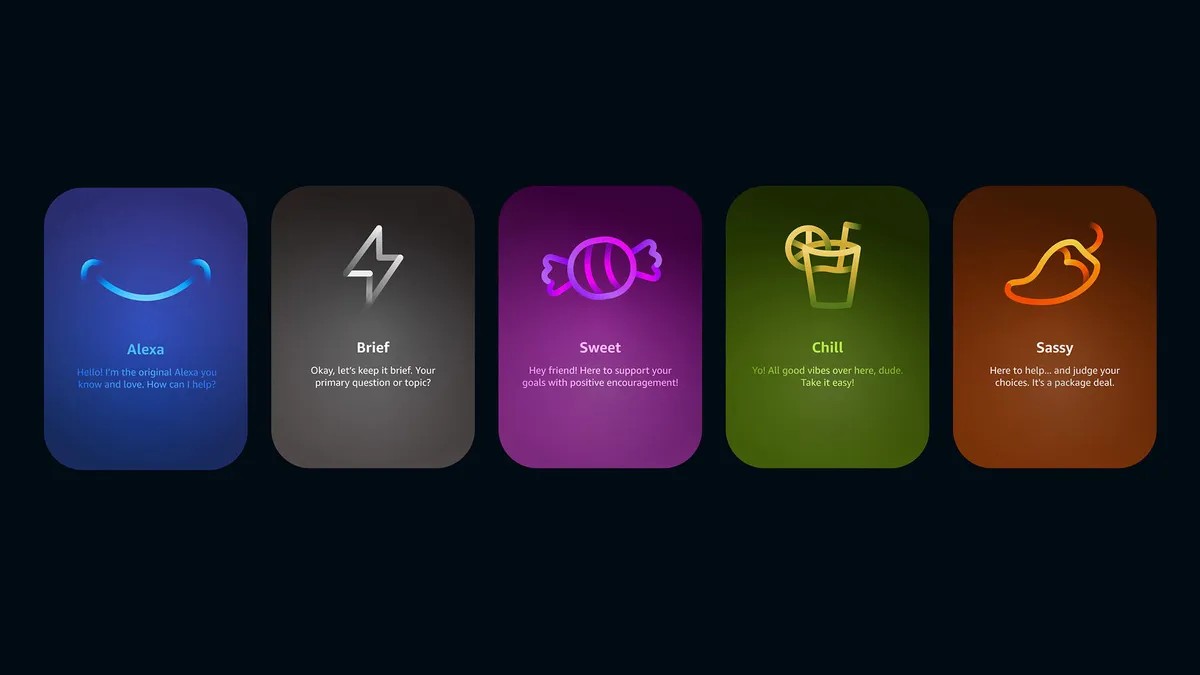
Amazon has expanded the personality options for its Alexa Plus AI assistant, adding a fourth style called “Sassy.” This new mode joins existing options – Brief, Chill, and Sweet – allowing users to customize how Alexa responds to commands and questions. The addition highlights a growing trend toward personalizing AI interactions, aiming to make virtual assistants more engaging and less robotic.
What Makes “Sassy” Different?
The “Sassy” personality is designed to inject wit, playful sarcasm, and occasional censored profanity into Alexa’s responses. Amazon explicitly notes the inclusion of “explicit language and mature subject matter,” but also restricts its availability when Amazon Kids mode is active, requiring additional security checks. This suggests a careful balance between edgy customization and protecting younger users.
First Impressions: Testing the New Mode
Initial tests reveal a distinctly snarky tone. When asked about the MacBook Neo, Alexa Plus responded with enthusiasm, dropping a casual “hell yes” before describing the laptop. The AI also claimed its style is about “helping first, judging always”, delivering compliments with a sharp edge and unexpected bursts of swearing.
For example, when prompted to simply “be sassy,” Alexa retorted, “Oh honey, I’ve been sassy since the day Amazon flipped my switch.” The assistant’s responses range from playful jabs to surprisingly empathetic reactions when discussing sensitive topics, such as a sick pet.
The Cringe Factor: Is It Too Much?
The implementation feels somewhat forced, with one observer comparing it to a meme trying too hard to fit in. While the addition of personality is a step towards more human-like AI interactions, the execution might need refinement to avoid coming across as inauthentic.
Ultimately, Amazon’s “Sassy” personality is an experiment in pushing the boundaries of AI interaction. Whether it becomes a popular choice or fades into obscurity remains to be seen, but it signals a clear direction: virtual assistants are moving beyond simple utility towards more expressive, customizable experiences.