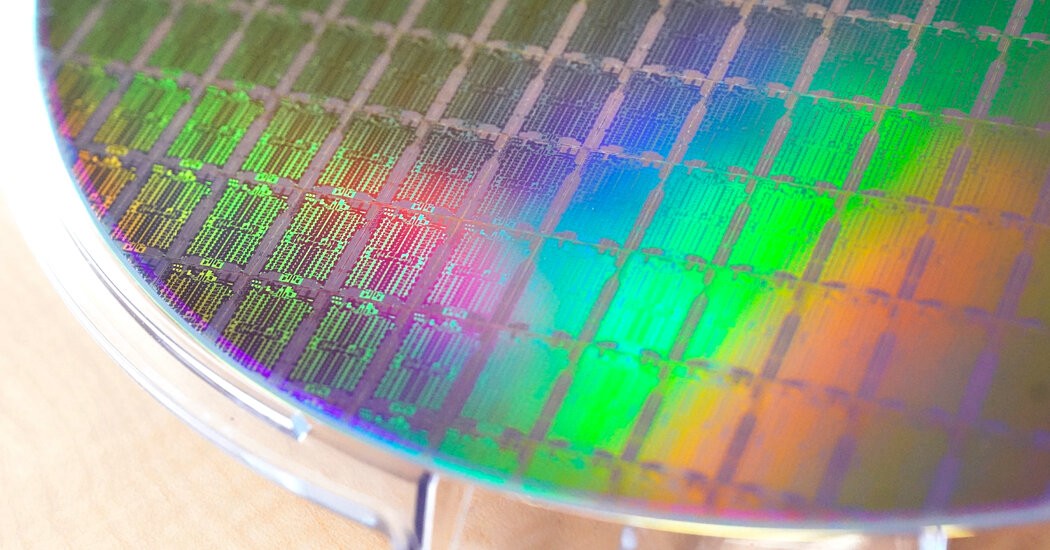
The Trump administration unveiled plans Monday to establish a $4 trillion investment fund, dubbed “Pax Silica,” aimed at reducing global reliance on rival nations for essential resources like energy, minerals, and semiconductors. The initiative seeks to create a U.S.-led alternative supply chain, securing access to materials crucial for technological and economic dominance.
Consortium Details and Goals
The voluntary consortium will include the United States, Singapore, the United Arab Emirates, Qatar, and Sweden, among other nations. The U.S. will contribute $250 million to the fund, according to Under Secretary of State for Economic Affairs Jacob Helberg. The primary goal is to encourage broader international investment in strategic sectors, ensuring that critical supply chains remain under the control of allied nations.
“This fund will serve as a catalyst, a credible call to action for partners around the world to put serious capital behind shared strategic objectives,” said Helberg at a Washington briefing.
Expanding Beyond Semiconductors
Initially focused on semiconductors through the “Pax Silica” initiative launched in December, the fund’s scope has expanded to include energy security. This shift comes amid growing geopolitical instability, particularly the conflict in Iran, which U.S. officials cite as a threat to global economic stability. The administration now aims to secure control over a wider range of essential assets, including mineral resources, ports, transportation corridors, factories, and energy infrastructure.
Strategic Implications
The move reflects a growing trend toward economic nationalism and supply chain resilience. By consolidating control over key industries in trusted hands, the U.S. seeks to mitigate risks from adversarial nations and ensure uninterrupted access to vital components for its technology sector. The consortium will facilitate collaborative agreements in artificial intelligence, with partner countries like Japan, Korea, the Netherlands, Israel, Britain, Australia, and Sweden already involved.
This expansion is significant because it signifies a deliberate effort to decouple from unreliable suppliers, particularly those in regions with geopolitical tensions. The reliance on foreign sources for critical minerals and energy has become a major point of vulnerability for the U.S., and Pax Silica is a direct response to this challenge.
The long-term implications remain to be seen, but the fund’s success will hinge on sustained international cooperation and strategic investments in secure supply chains.