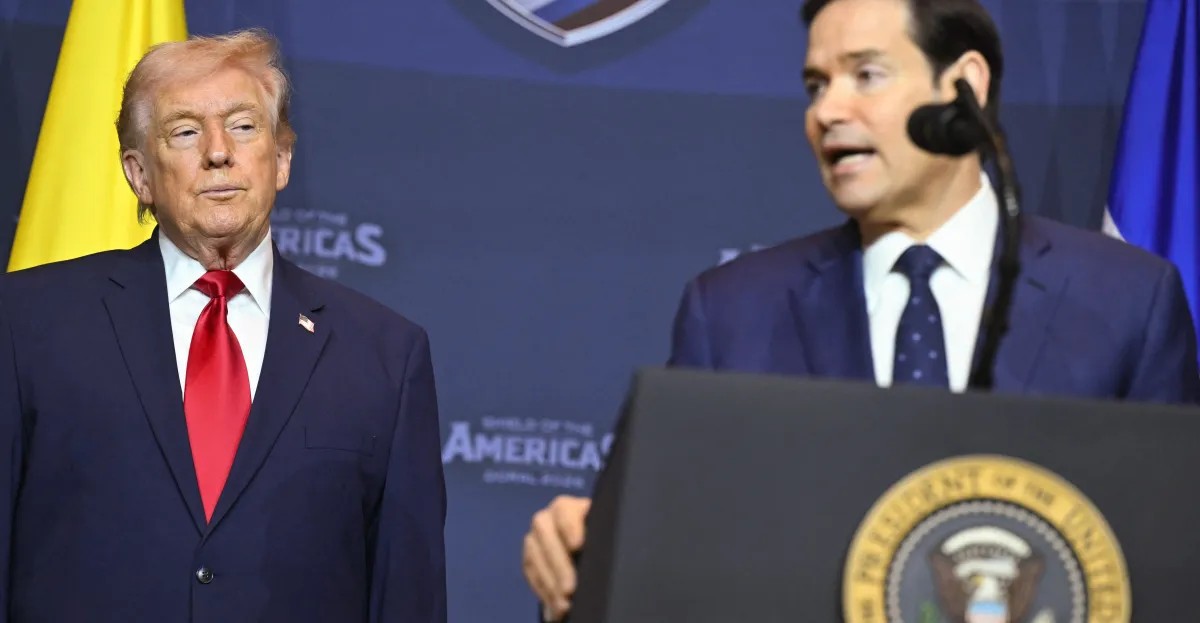
The Trump administration continues to tighten its grip on Cuba, forcing the island nation into negotiations amid increasingly dire conditions. On Friday, Cuban President Miguel Díaz-Canel confirmed discussions with the US, seeking “solutions” to a deteriorating situation largely manufactured by Washington’s policies.
The Driving Force: Ideology and Regional Dominance
This aggressive posture toward Cuba isn’t just policy; it’s a long-held ambition for key figures like Secretary of State Marco Rubio, who has reportedly made the regime change in Havana a “lifelong mission.” The move aligns with President Trump’s broader “Monroe Doctrine” revival – a doctrine of assertive regional control backed by military readiness, demonstrated earlier this year with the intervention in Venezuela.
A Crippling Blockade and Economic Collapse
Cuba’s struggles were already severe before the latest escalation. The island experienced widespread blackouts in 2024 due to a failing electrical grid, a problem that has persisted. However, since January, a near-total US blockade has strangled fuel supplies, exacerbating an existing economic crisis. Trump himself has publicly threatened Cuba, stating bluntly on Truth Social: “THERE WILL BE NO MORE OIL OR MONEY GOING TO CUBA – ZERO! I strongly suggest they make a deal, BEFORE IT IS TOO LATE.”
The Risk of Further Action
Negotiations do not preclude more aggressive measures. Just as diplomatic talks continued with Iran while the war began, the US could still take drastic action. Some officials reportedly view a swift intervention as the most effective solution, suggesting a rapid military operation to achieve their objectives.
A Boiling Point
Conditions inside Cuba are worsening rapidly. The combination of economic pressure and political isolation may lead to instability sooner rather than later. The current situation suggests events could escalate quickly, potentially forcing a crisis point.
The US approach towards Cuba is not simply about diplomacy. It’s a calculated application of pressure, designed to force regime change through economic hardship and the implicit threat of military intervention.
The situation is volatile, and the outcome remains uncertain. Cuba’s future hinges on whether it can navigate these talks under extreme duress while facing the ever-present threat of further US action.